In this article
- Is May to July a good time for a Raja Ampat liveaboard?
- What does a Raja Ampat liveaboard cost in shoulder season versus peak season?
- Which dive sites are worth prioritizing in May, June, and July?
- How crowded are liveaboards in the shoulder season?
- What should divers pack and prepare for in May-July?
- How do I choose the right boat for a shoulder-season trip?
- Booking timeline for May, June, and July departures
- Ready to plan a May-July Raja Ampat liveaboard?








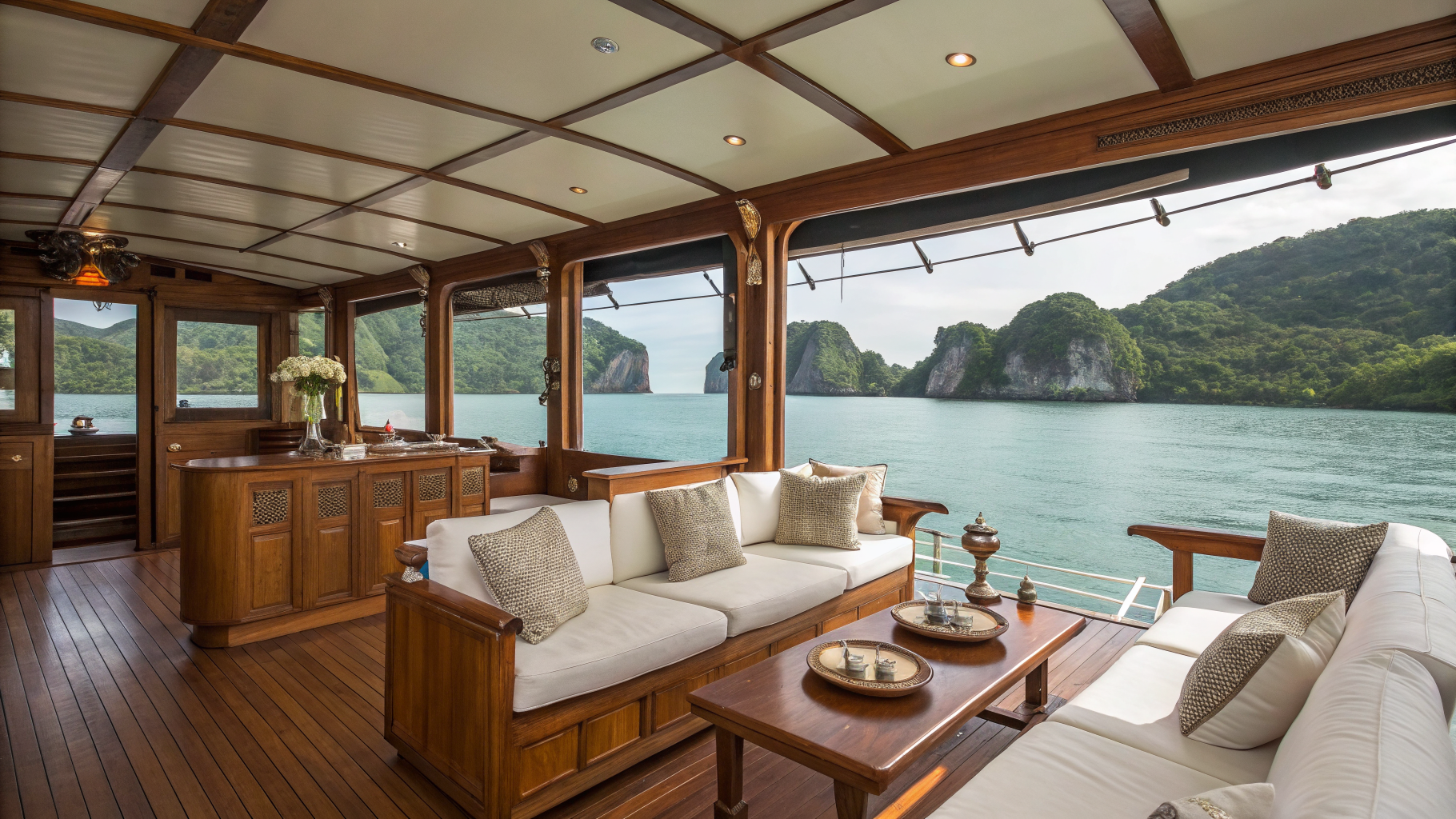
Raja Ampat liveaboard shoulder season May June July sits in a genuine sweet spot: the wet-season swells of the earlier months have faded, the peak-season crowds of October and September haven’t arrived yet, and boats are still running full itineraries between Dampier Strait and Misool. Visibility is generally strong, currents are workable for most certified divers, and rates typically sit below the July-August-September high, making this three-month window one of the best-value ways to dive Raja Ampat without compromising on conditions.
This guide breaks the May-July stretch down month by month — weather, sea state, visibility, wildlife, crowd levels, and roughly what a cabin costs compared with peak season. As of 2026, this window is discussed far less than the November current-hunting season or the February deep-winter slot, even though it’s arguably the more forgiving entry point for a first Raja Ampat liveaboard trip.
Is May to July a good time for a Raja Ampat liveaboard?
Yes — May through July falls inside Raja Ampat’s broader October-to-April main-season tail and the lead-up to July-August-September peak, so operators run full six-to-eleven-night routes through both Dampier Strait and Misool while demand and pricing haven’t yet hit their annual high. Divers who want manageable currents, good macro and wide-angle visibility, and a calmer boat tend to land here.
The trade-off to know upfront: this period sits at the edge of the transition between the wetter northwest monsoon influence (roughly November-March) and the drier southeast trade winds that firm up from June onward. May can still carry a few unsettled days, June is usually the pivot toward drier conditions, and July is often the most stable of the three — though “stable” here still means checking a live forecast before departure, not assuming a fixed pattern.
May: the transition month
May is the hinge between wet-season remnants and the drier trade-wind pattern that firms up later. Expect a mix — some crossings between Sorong and Dampier Strait are glassy, others carry short-lived squalls. Visibility in the Dampier Strait sites is typically in the 15-25 meter range on a good day, occasionally better around Cape Kri and Blue Magic when the tide window cooperates. Crowds are noticeably thinner than July onward, and last-minute cabin availability is more realistic than it will be two months later.
June: conditions start to firm up
By June the southeast trade influence is more consistent, seas in the Dampier Strait tend to lie down more often, and longer runs to Wayag in the north are easier to plan with confidence. This is often the point where the shoulder season starts to feel like a preview of peak conditions — good visibility, workable currents at Cape Kri and Blue Magic, and boats beginning to fill for July-August departures. Booking two to three months ahead is sensible if a specific boat or cabin category matters to you.
July: the bridge into peak season
July is the last shoulder-season month before August-September peak pricing and full boats take over. Weather is typically the driest and most settled of the three, visibility in Misool’s soft-coral gardens and the Dampier Strait channels is often at its best of the year, and manta encounters at Blue Magic pick up as oceanic mantas move through on the cleaning-station currents. The catch: July departures book out at closer to peak-season pace, so this is the riskiest month in the window for waiting until the last minute.
What does a Raja Ampat liveaboard cost in shoulder season versus peak season?
As an indicative range only — actual pricing depends on the boat, cabin category, trip length, and how far in advance you book — May and June departures often run below July-August-September rates, while July itself starts converging toward peak pricing as demand builds. There’s no fixed percentage discount across every operator or boat class, so treat any specific figure you see elsewhere as a snapshot, not a guarantee. For a realistic breakdown of what drives the total — nights aboard, cabin type, park fees, single-supplement charges — the cost and pricing guide covers the components in more detail.
The demand curve is consistent: May bookings are easiest to secure close to departure, June sits in the middle, and July increasingly behaves like early peak season for established boats. If dates are flexible, shifting a trip from late July into May or early June is one of the more reliable ways to trim cost without giving up dive quality.
Which dive sites are worth prioritizing in May, June, and July?
The core Raja Ampat circuit — Dampier Strait and Misool — runs on its normal schedule throughout the shoulder season, since neither area depends on a narrow weather window the way some far-northern routes do.
- Cape Kri (Dampier Strait): the benchmark biodiversity dive of the region, holding a long-standing record for the number of fish species counted on a single dive. Shoulder-season visibility here is typically solid, with currents moderate-to-strong depending on tide.
- Blue Magic (Dampier Strait): the seamount known for oceanic manta ray passes and dependable current-fed action. May through July generally offers good conditions for manta sightings, though wildlife encounters are never guaranteed on a specific date.
- Misool (southern Raja Ampat): dense soft-coral coverage and calmer, more sheltered channels than the Dampier Strait’s open-water currents — a good pairing with the northern sites. Longer 8-11 night itineraries typically combine both regions in one trip.
- Wayag (far north): increasingly accessible as conditions firm up through June and July, though it adds days and isn’t on every itinerary — worth confirming with the boat you’re evaluating.
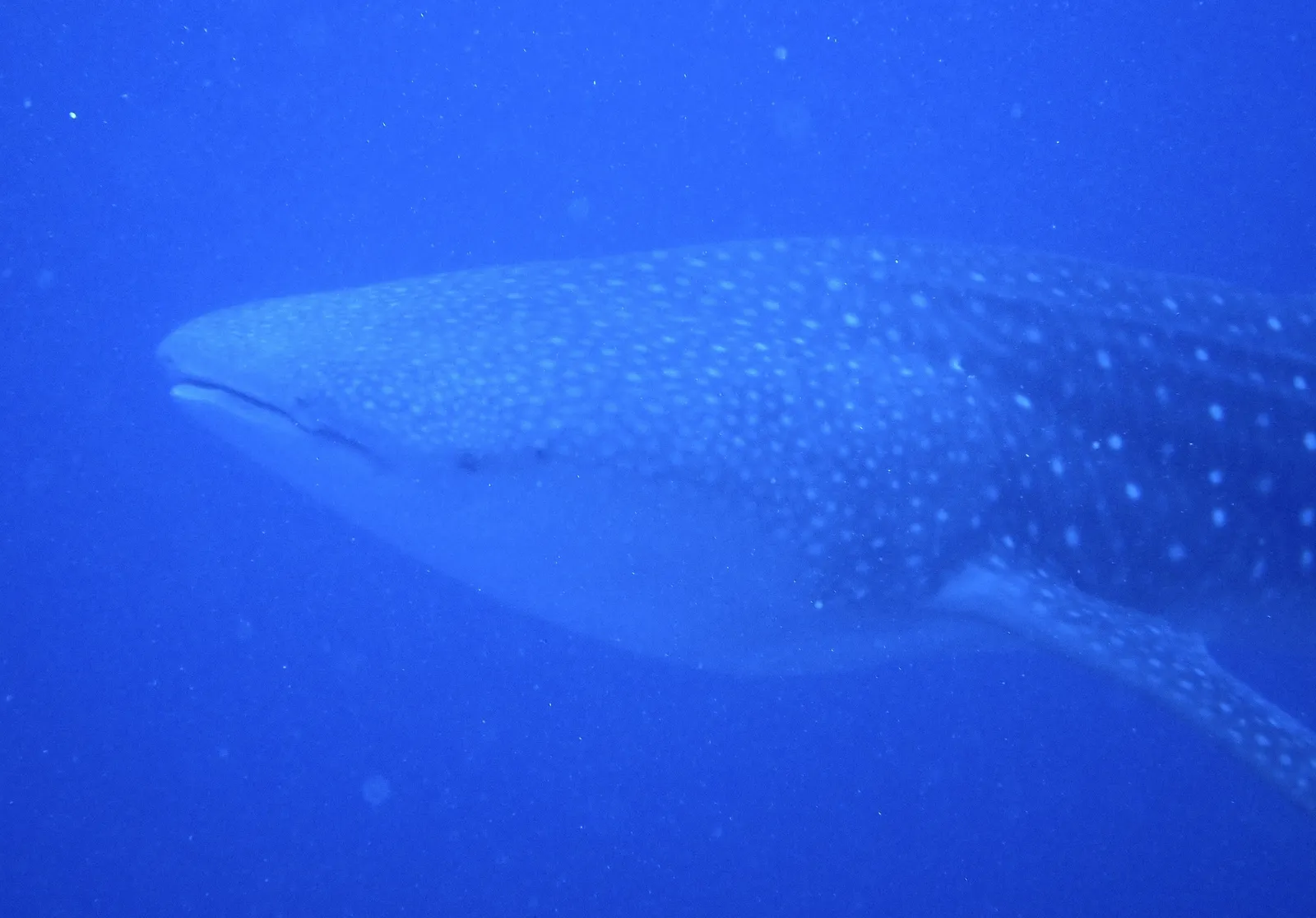
Across the wider marine park, more than 1,500 fish species have been documented — one reason Raja Ampat is frequently described as the heart of the Coral Triangle. Currents throughout the archipelago range from moderate to strong depending on tide and site regardless of month, so a liveaboard’s dive guides and safety briefing matter as much as the season.
How crowded are liveaboards in the shoulder season?
Notably quieter than July-August-September. May departures see the thinnest crowds, June builds gradually, and July starts to feel closer to peak-season occupancy as boats fill for the following two months’ demand. Divers who prioritize smaller groups at dive sites and relaxed boat decks over rock-bottom pricing will generally find May and June the more comfortable picks.
What should divers pack and prepare for in May-July?
A 3mm wetsuit is typically adequate for shoulder-season water temperatures, though divers who run cold often add a hood or vest for repeated days of three-to-four dives. Reef-safe sunscreen, a dry bag for camera gear, and motion-sickness precautions for open-water crossings (particularly the Sorong-to-Dampier Strait transfer in May, before conditions fully settle) are worth having on hand. Every diver entering the marine park needs a Raja Ampat park permit (commonly known by its PIN card), which liveaboard operators typically arrange as part of the booking — confirm this is included rather than assuming it.
How do I choose the right boat for a shoulder-season trip?
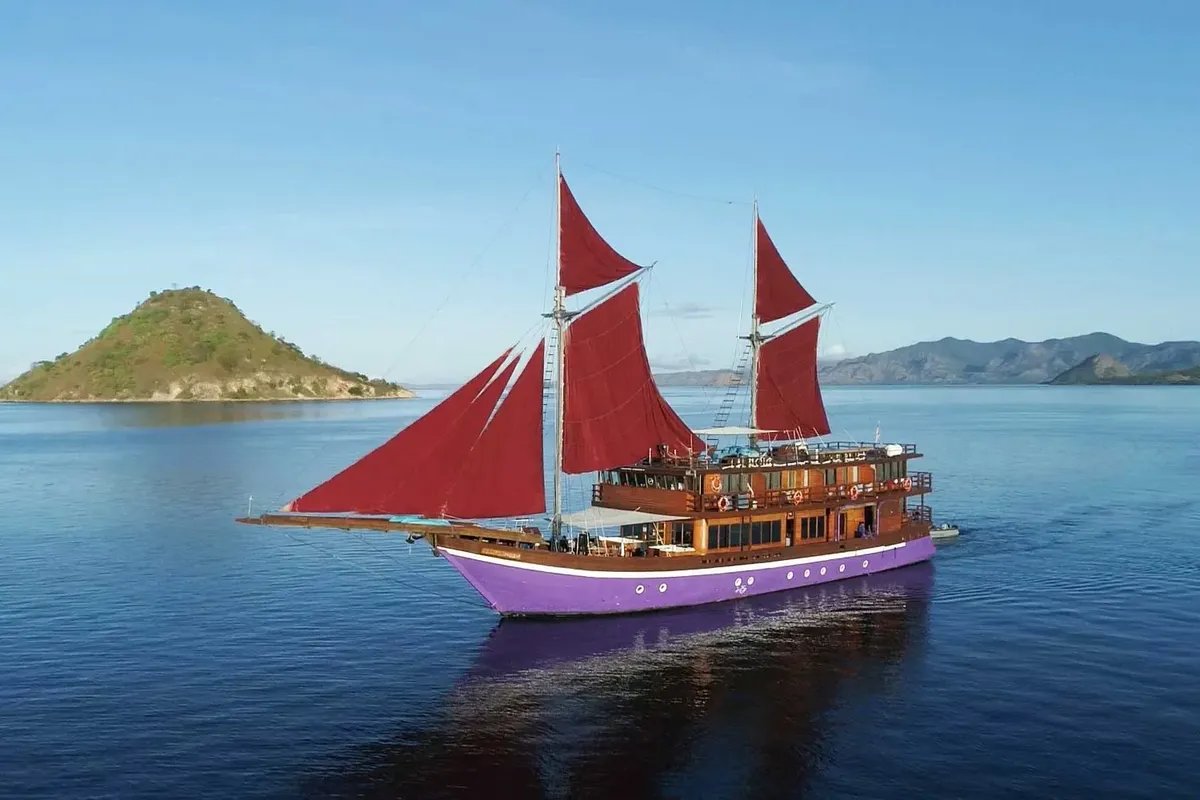
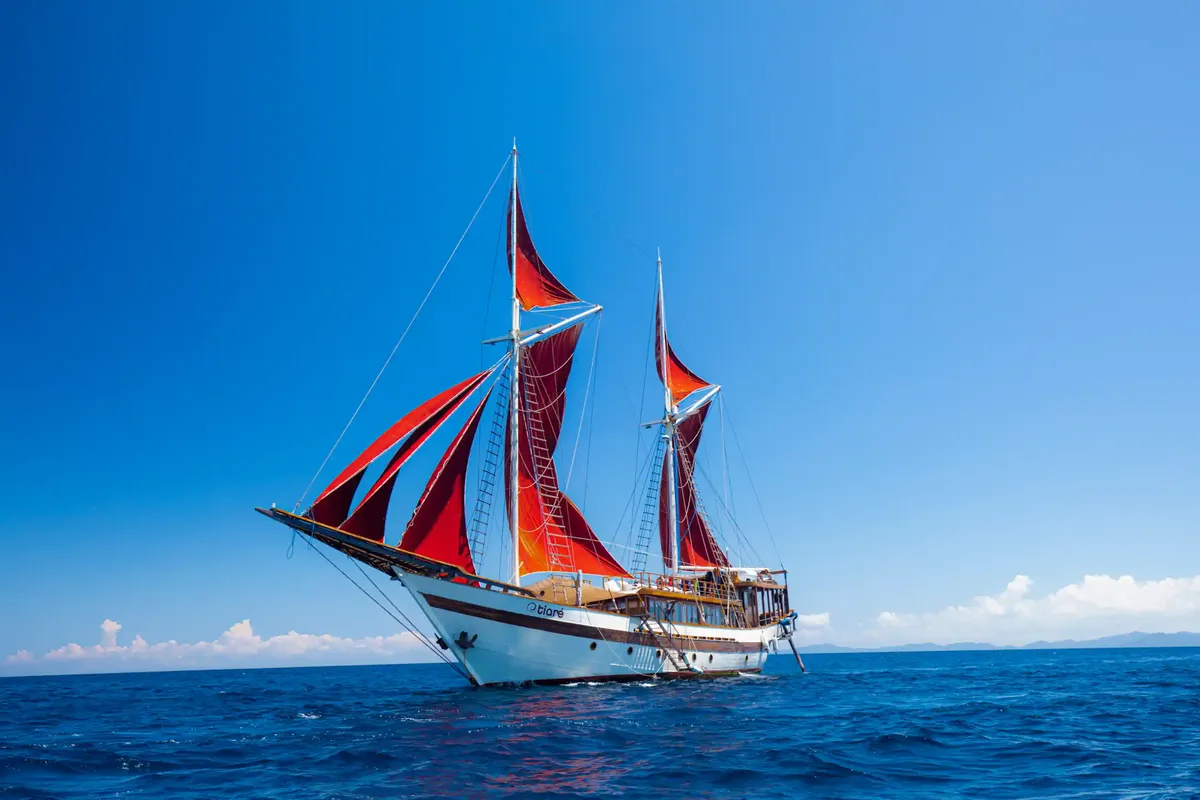
Boat choice matters more here than most travelers expect, since not every vessel runs the same route mix or itinerary length in May versus July. Worth confirming before booking:
- Whether the itinerary covers both Dampier Strait and Misool, or focuses on one region — this affects dive-site variety and total nights needed.
- Whether Wayag is included, since it’s more commonly added once conditions firm up later in the shoulder window.
- Cabin category and single-supplement policy if traveling solo, since shoulder-season availability tends to be better for solo travelers than peak season.
- What’s included in the quoted price — park permits, nitrox, transfers — since “indicative” pricing across operators can hide very different inclusion lists.
For a side-by-side view of itinerary length, cabin categories, and what’s bundled versus optional, the liveaboard packages page breaks down the options.
Booking timeline for May, June, and July departures
Because July increasingly behaves like early peak season, book July departures with the same lead time you’d use for August or September — ideally several months ahead for a specific boat or cabin type. May and June carry more flexibility, and shorter-lead bookings are more realistic in those two months, though popular boats can still fill early regardless of month.
Weighed against the two other shoulder-adjacent windows commonly discussed for Raja Ampat — the current-heavy November stretch and the deep-season February slot — the practical difference is that the May-July shoulder season generally offers calmer, more consistent conditions for divers not specifically chasing extreme current action, at pricing that sits below full peak season for most of the window.
Ready to plan a May-July Raja Ampat liveaboard?
Raja Ampat Liveaboard Voyages is part of Juara Holding Group, operating from Bali across Indonesia since 2015. Our team can walk through boat options, route combinations, and realistic date availability for the shoulder-season window based on what matters most to you — value, fewer crowds, or a specific dive-site list. Start with the best-time guide for a full seasonal comparison, or go straight to the booking page to check availability.
Message us on WhatsApp at +62 811-3823-875 or email [email protected] to talk through a shoulder-season itinerary and match the right boat and route to your dates.