In this article








Travel insurance raja ampat liveaboard diving coverage is the one item on a packing list that decides whether a decompression accident in the Dampier Strait ends with a routine recompression treatment or a financial and medical crisis. Standard travel policies bought for a beach holiday almost always exclude scuba diving beyond entry-level depths, exclude search and rescue at sea, and cap medical evacuation far below what a real emergency in remote eastern Indonesia actually costs. Before booking a liveaboard, it is worth understanding exactly what a dive-specific policy needs to cover, how an evacuation from a boat anchored off Misool or Kri Island actually unfolds, and what questions to ask an insurer before you sign anything.
Why Does Travel Insurance Matter So Much for Raja Ampat Liveaboard Diving?
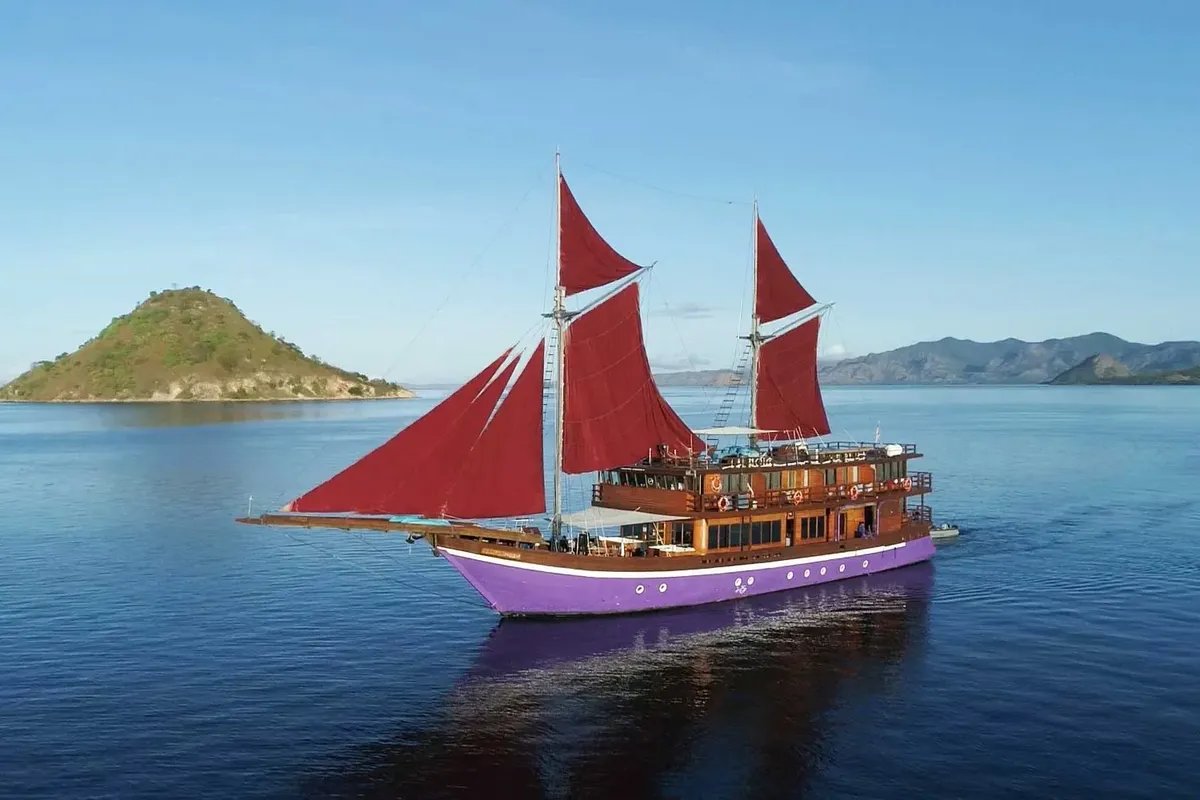
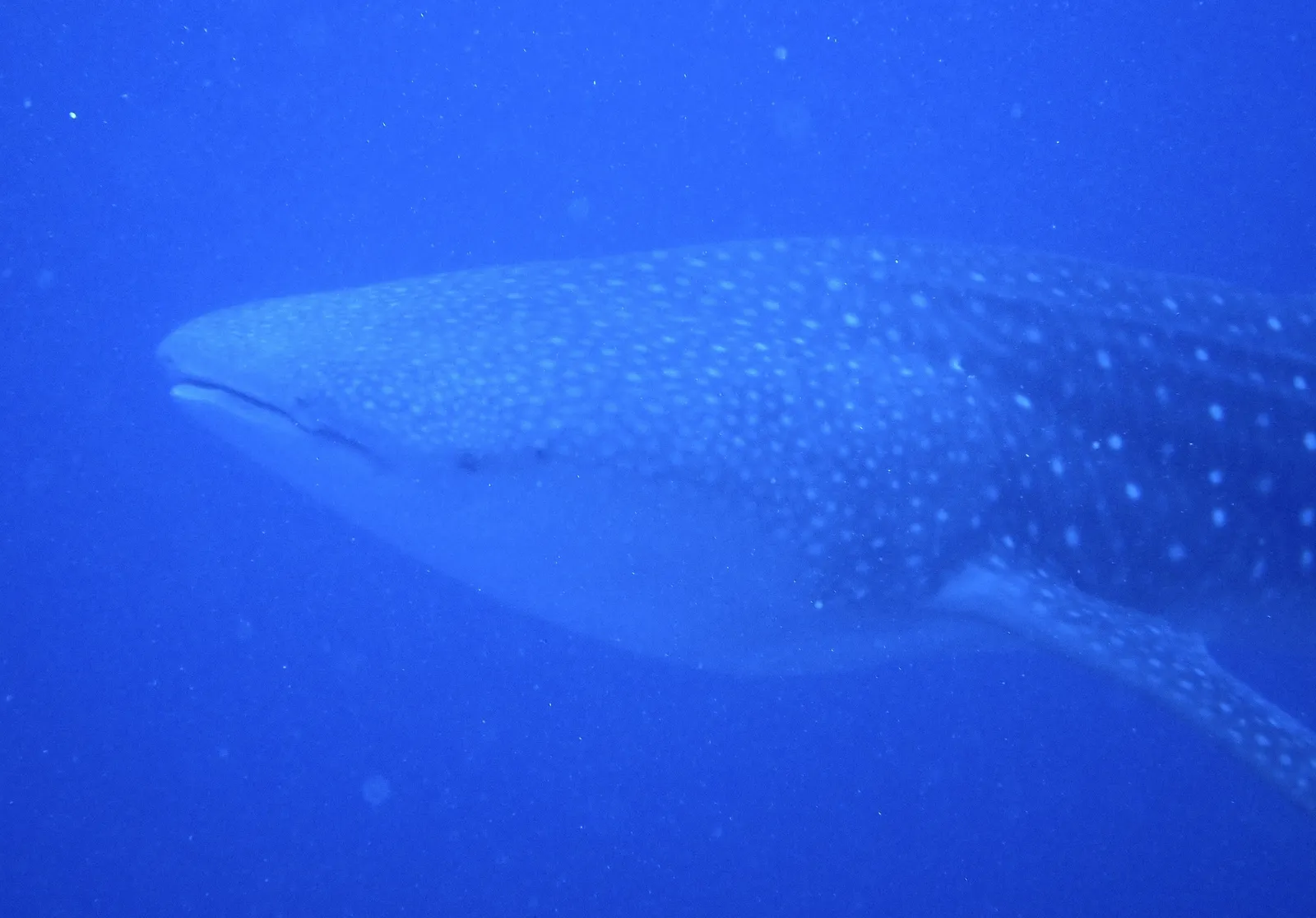
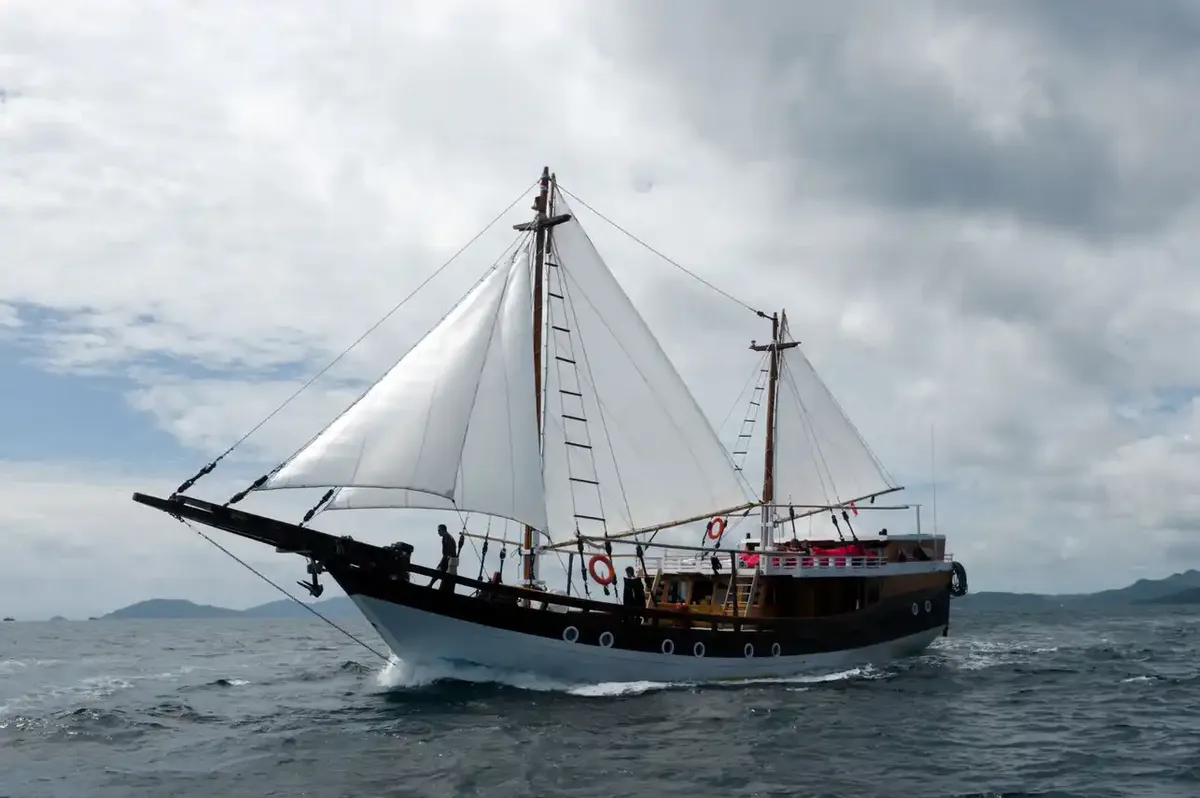
Raja Ampat is remote by design — that is part of its appeal. Liveaboards typically run 6 to 11 nights out of Sorong, threading through the Dampier Strait (home to Cape Kri, famous for a record-setting fish count during a single survey dive, and Blue Magic, where oceanic manta rays cruise a cleaning station) down to the soft-coral gardens of Misool in the south. The region holds more than 1,500 recorded reef fish species, moderate to strong currents at many of its best sites, and a genuine distance from tertiary medical care. October through April is the main season for calmer seas and better visibility, but currents at passage sites can still run hard on any given tide regardless of month. That combination — strong currents, repetitive multi-day diving, and days rather than hours from a hospital — is precisely why generic travel insurance raja ampat liveaboard diving buyers assume they have is often the wrong product for this trip.
What Should a DAN-Style Dive Insurance Policy Actually Cover?
Divers Alert Network (DAN) popularized a category of insurance built specifically around dive injuries, and most reputable dive insurers now offer something structured along similar lines. A policy worth carrying on a Raja Ampat itinerary should include, at minimum:
- Decompression illness and diving injury treatment, not just general accident cover — many standard policies explicitly exclude scuba diving as a “hazardous activity” unless a rider is added.
- Hyperbaric/recompression chamber treatment, which is expensive and not automatically included even in some dive-labeled policies.
- Emergency medical evacuation and repatriation with a coverage limit high enough for air ambulance and multi-leg transport, not just a token sum.
- Search and rescue costs at sea, relevant for any liveaboard itinerary running through open channels between islands.
- A 24/7 emergency assistance hotline that can coordinate directly with the boat operator and receiving hospital — a claims-only phone line is not the same thing.
- Trip cancellation/interruption cover, given that liveaboard charters are booked and paid well in advance and are difficult to reschedule.
Gear loss or damage cover is a reasonable add-on but is secondary to the medical and evacuation items above — a lost regulator is inconvenient, an uninsured medevac is a different order of problem entirely.
How Does Medical Evacuation from a Remote Liveaboard Actually Work?
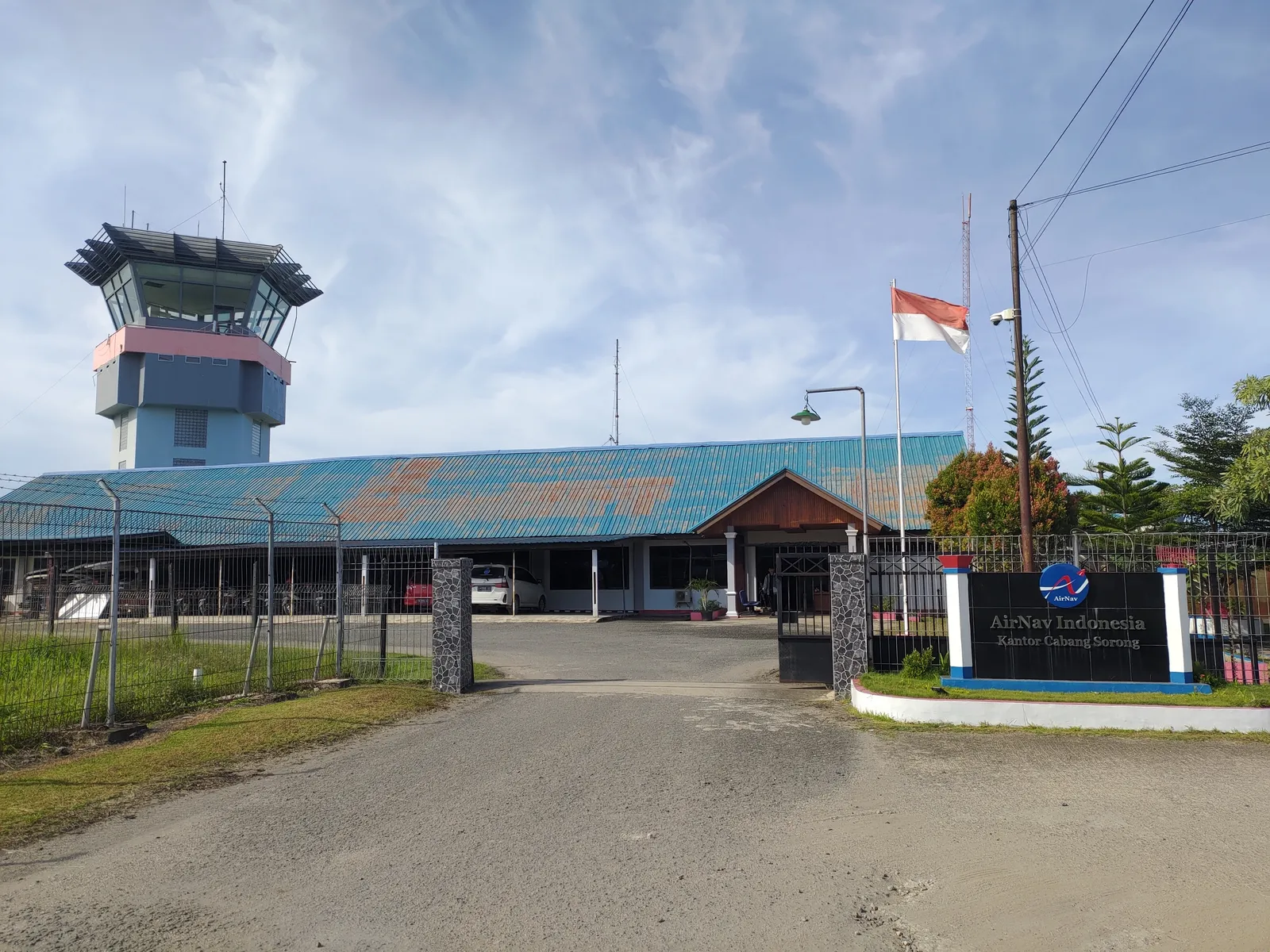
It helps to understand the chain of events before it is ever needed. Onboard, a well-run liveaboard should carry emergency oxygen, a first aid kit suited to dive injuries, and crew trained to administer both — this is one of the operational details worth confirming against a boat’s safety and compliance standards before booking. If a diver shows signs of decompression sickness or another serious injury, the boat’s crew and the insurer’s assistance line coordinate the next step together, which typically means repositioning toward the nearest port — usually Sorong or Waisai — while arranging onward transport. From there, evacuation usually means a flight, because the nearest hyperbaric chamber and higher-level trauma care are not located within Raja Ampat itself; they sit outside the archipelago, reachable only by combining boat and air transport. Depending on the boat’s position when an incident occurs, this full chain can take many hours from onset to arrival at a treatment facility — which is exactly why coverage limits, not just the existence of a policy, matter so much, and why an assistance hotline that can actually direct an evacuation in real time is worth more than a marginally cheaper premium.
What to Verify Before You Book Your Policy
Not every policy sold as “dive insurance” covers the same things. Before purchasing, confirm the following directly with the insurer in writing:
| Item to verify | Why it matters for Raja Ampat |
|---|---|
| Declared activity: scuba diving to your certified depth | Undeclared diving can void a claim entirely |
| Decompression illness explicitly named | Some “adventure sports” riders exclude it by default |
| Evacuation coverage limit | Remote multi-leg medevac costs more than most standard limits |
| Search and rescue at sea included | Relevant to liveaboard and open-water itineraries specifically |
| 24/7 assistance hotline, not just a claims number | Real-time coordination is what actually moves a patient |
| Remote/expedition dive rider if diving below standard recreational limits | Blue Magic and current-swept passage sites can call for advanced certification |
| Pre-existing condition disclosure rules | Undisclosed conditions are the most common reason claims are denied |
Premiums vary by provider, age, trip length, and coverage limit, so treat any number quoted online as indicative only — request a written quote for your specific dates and dive plan rather than assuming a generic figure applies. This is the one area of trip planning where the cheapest option and the right option are rarely the same thing.
Practical Steps Before You Fly to Raja Ampat
A few habits make the difference between insurance that works when needed and insurance that is just a document in a drawer:
- Buy the policy weeks before departure, not at the airport, so any pre-existing condition disclosures and waiting periods are already settled.
- Carry your insurer’s emergency assistance number and policy number both on paper and saved offline on your phone — satellite or radio contact from a liveaboard is not always instant.
- Confirm your dive certification level matches the sites on your itinerary; Dampier Strait and Misool both include current-swept passages that are not beginner terrain.
- Understand that the marine park entrance permit (the PIN card required for all visitors to the Raja Ampat MPA) is arranged separately by your operator and is not a substitute for travel insurance — the two cover entirely different things.
- Ask your operator in advance which items are already bundled into their liveaboard packages and which — insurance included — remain the diver’s own responsibility.
Raja Ampat rewards divers who take its remoteness seriously rather than treating it as an afterthought. As of 2026, this remains one of the most under-discussed parts of trip planning for the region, even as the diving itself gets covered everywhere. Part of Juara Holding Group — operating from Bali across Indonesia since 2015 — our team can walk you through how insurance, permits, and evacuation logistics fit around a specific itinerary before you commit to dates. To check availability and get help matching a policy to your trip, book your liveaboard now or reach us directly on WhatsApp at +62 811-3823-875 or by email at [email protected].