In this article
- What does a typical day on a Raja Ampat liveaboard actually look like?
- Why does the day start before sunrise?
- How long are the surface intervals, and what do you do with them?
- When does the night dive happen, and should you do every one?
- What are the meals and evenings like on board?
- How does the daily routine change north to south?
- Ready to picture your own week at sea?




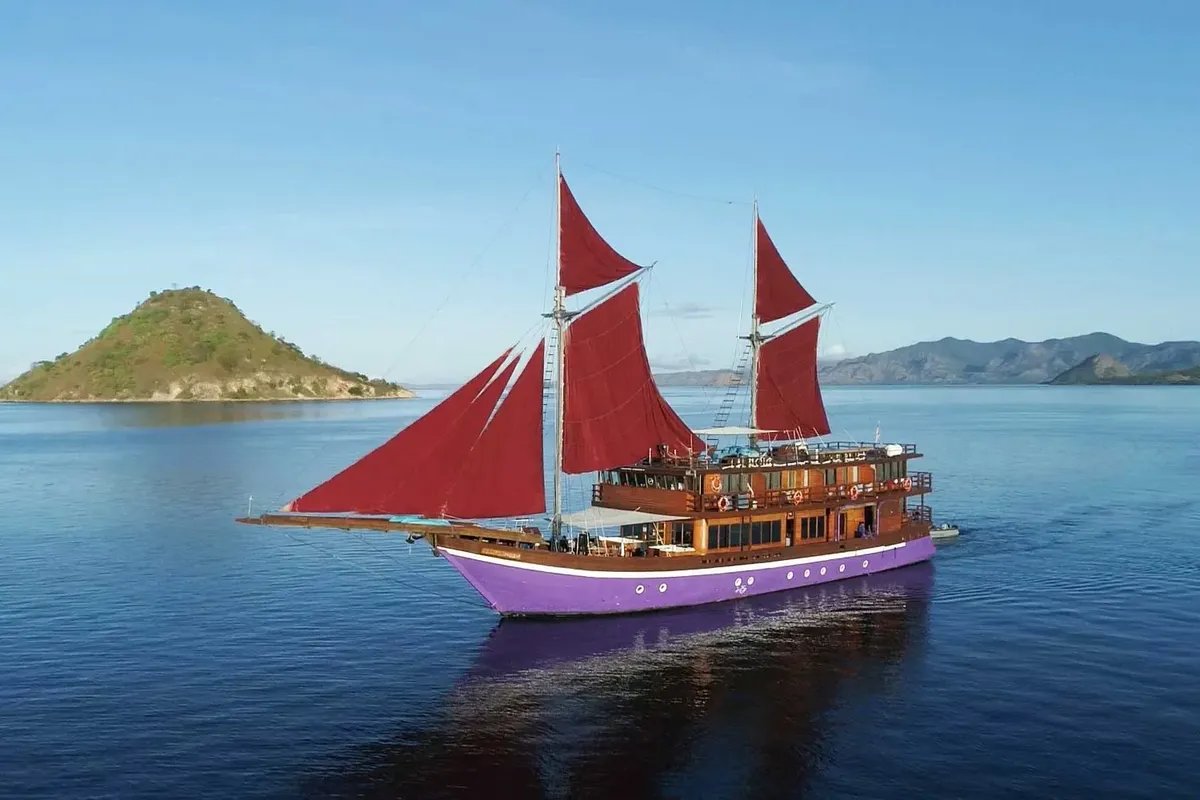
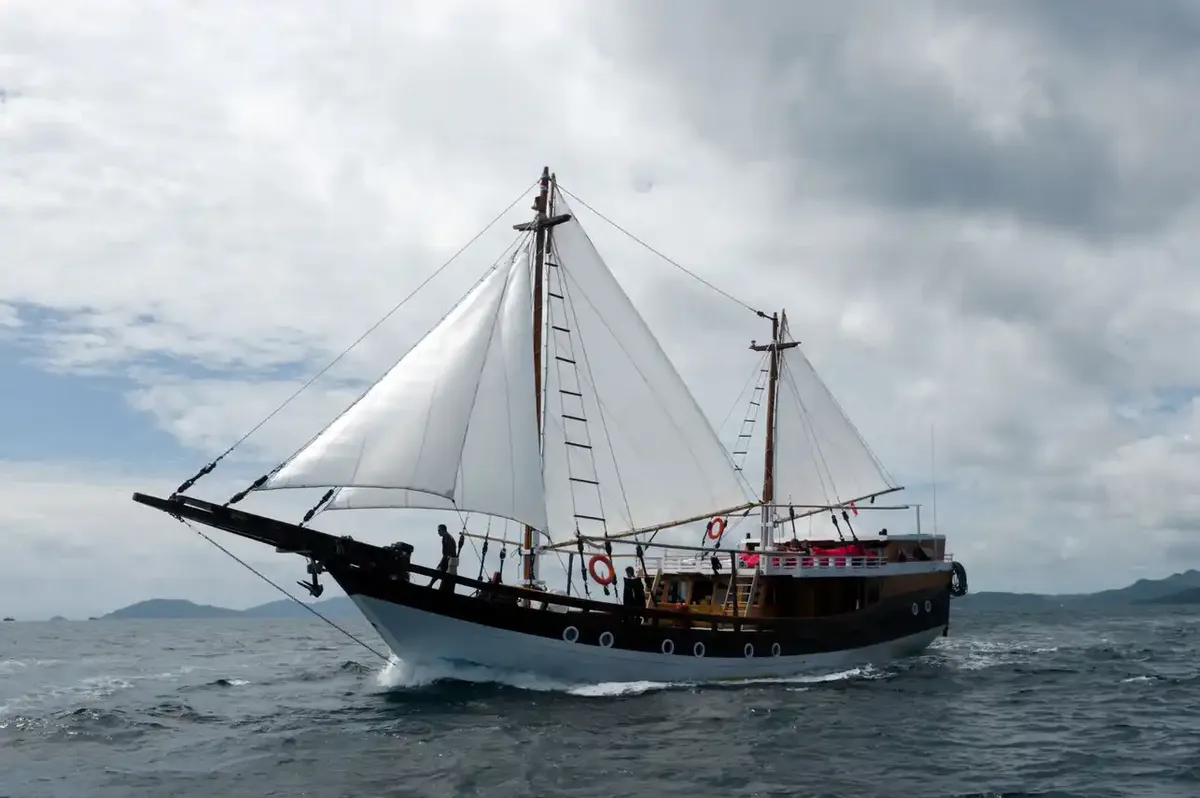
A typical day on a Raja Ampat liveaboard is built around the water, not the clock: you will usually make three to four dives, eat four or five times, and spend the hours in between resting, briefing, and slowly repositioning between sites. Expect a pre-dawn wake-up, a full breakfast after the first dive, long surface intervals in the sun, and an optional night dive before dinner. This guide walks through what a typical day on a Raja Ampat liveaboard feels like hour by hour, from the first coffee to lights-out, so first-time bookers know exactly what they are signing up for.
What does a typical day on a Raja Ampat liveaboard actually look like?
Most boats run a four-dive structure during the main season (October to April, as of 2026), when conditions in the Dampier Strait and around Misool are at their most reliable. The day is deliberately unhurried: dives are spaced two to three hours apart so your body offloads nitrogen safely, and the crew uses the gaps between dives to cross to the next site. Here is the shape of a typical day on a Raja Ampat liveaboard, though exact times shift with tides, currents, and your itinerary.
| Time | What happens |
|---|---|
| 05:45 | Wake-up call, light snack (coffee, tea, fruit, pastries) |
| 06:15 | Dive 1 briefing on the dive deck |
| 06:30 | Dive 1 — the dawn dive, often the best light and current |
| 07:45 | Back on board, warm towels, full breakfast |
| 09:45 | Dive 2 briefing |
| 10:00 | Dive 2 |
| 11:30 | Snacks, surface interval, boat repositions |
| 12:30 | Lunch |
| 14:30 | Dive 3 briefing |
| 15:00 | Dive 3 |
| 16:30 | Tea, cake, downtime |
| 18:15 | Optional night dive briefing |
| 18:30 | Dive 4 — dusk or night dive |
| 19:45 | Dinner, log the day, brief for tomorrow |
Why does the day start before sunrise?
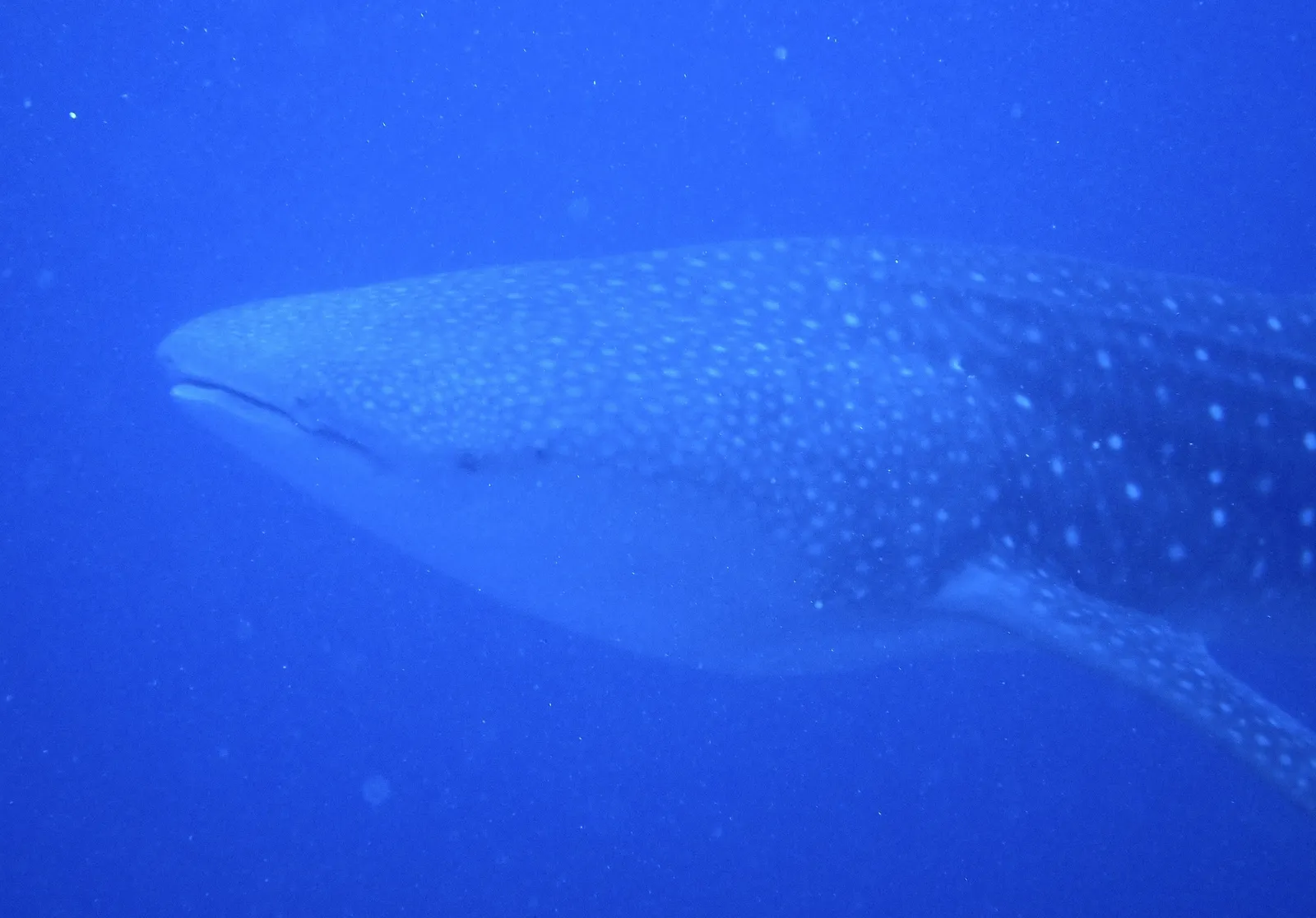
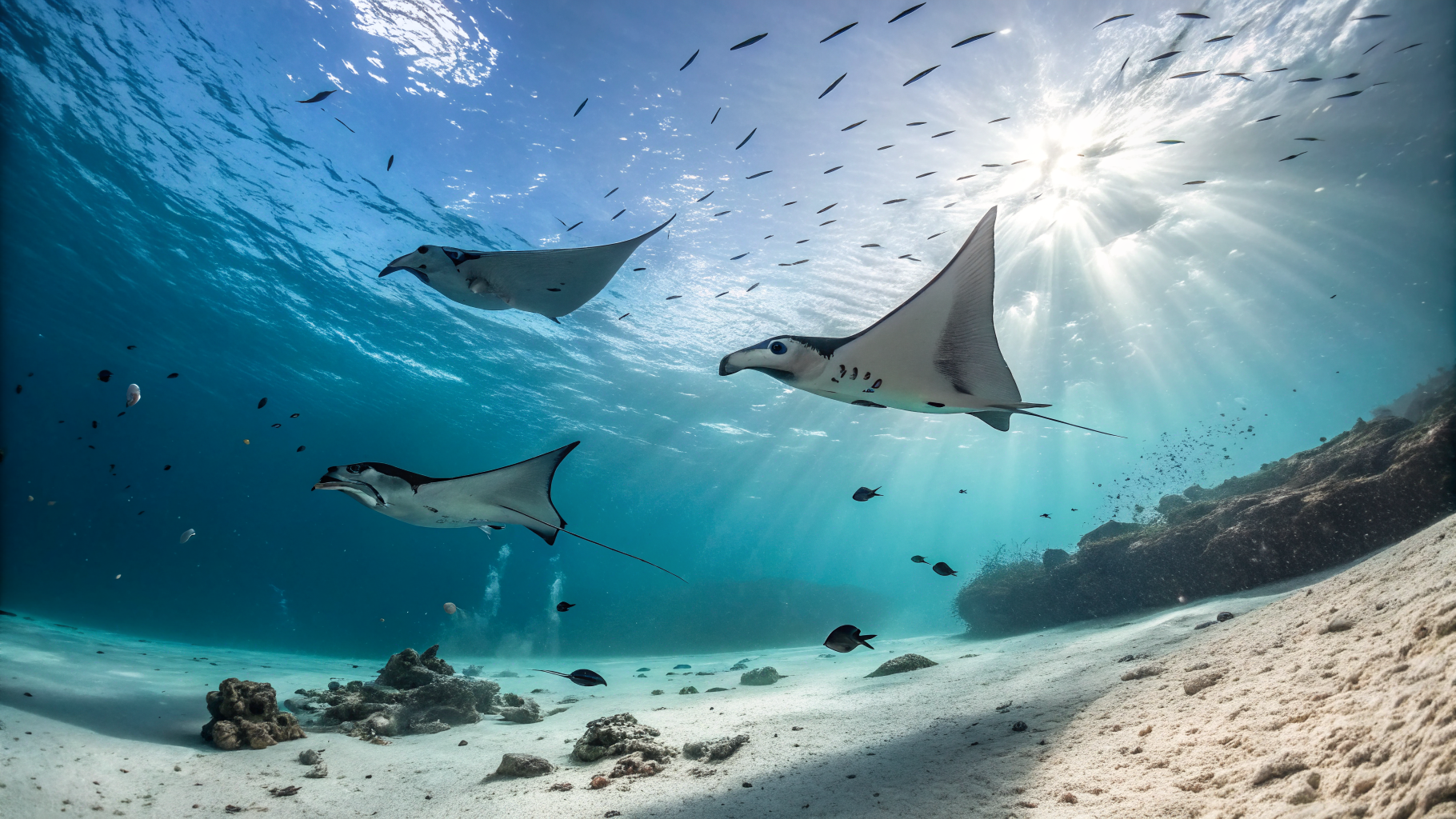
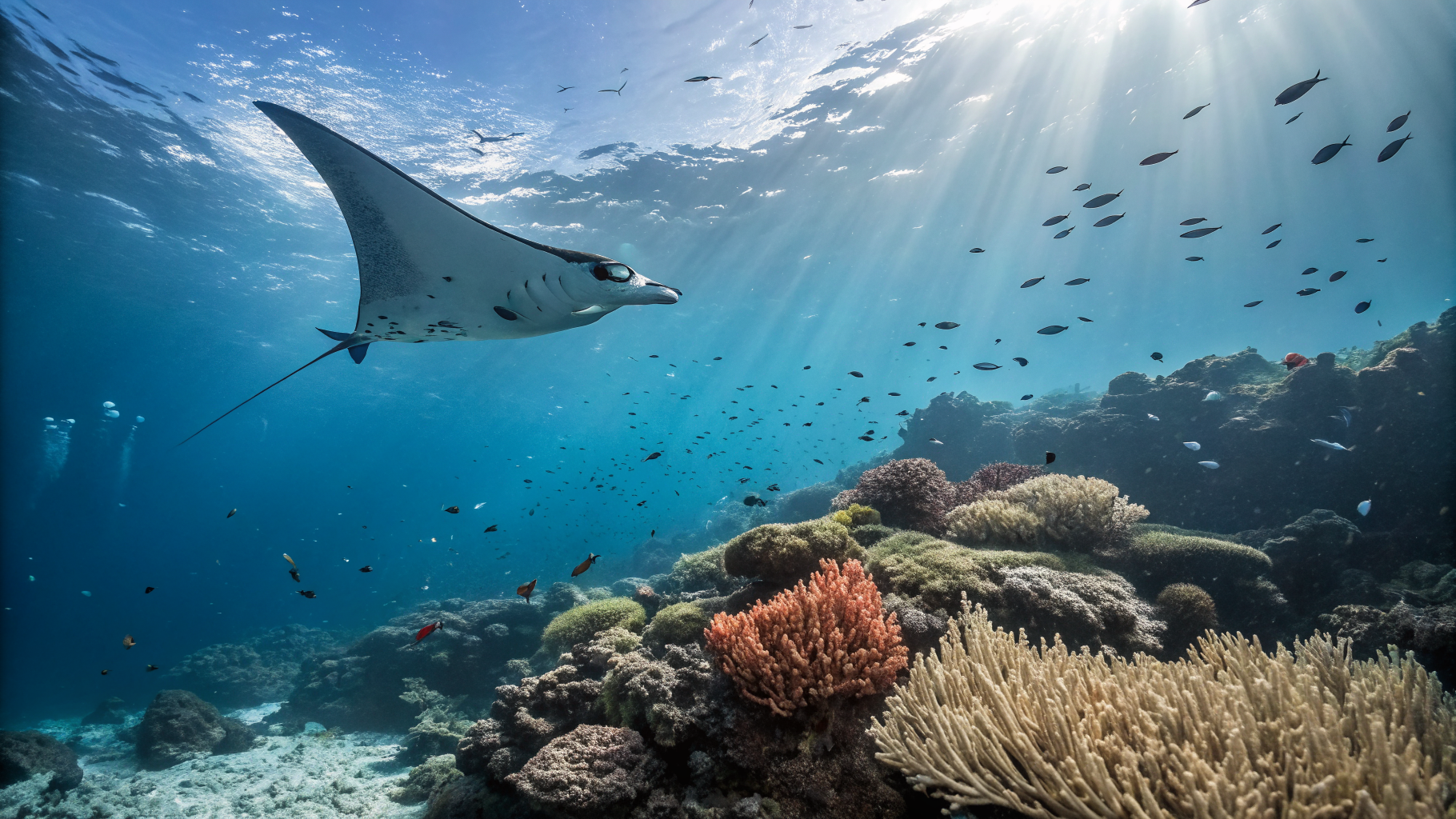
The pre-dawn wake-up is not the crew being cruel — it is the single most important scheduling decision on the boat. In the Dampier Strait, sites like Cape Kri and Blue Magic fire on tidal current, and the calm, slack-to-incoming window that brings in the big animals often lands at first light. Cape Kri holds the recorded fish-species count that helped make Raja Ampat famous, and Blue Magic is where oceanic manta rays stack up over the cleaning stations. Getting in early means you are underwater when the reef is switching on and before other boats arrive. You can read more about each of these sites on our dive sites guide before you travel.
That first dive is usually the deepest and most demanding of the day, precisely because you are freshest. The crew will not throw you into a raging drift with no warning — briefings are detailed, currents in Raja Ampat run moderate to strong, and reef hooks are standard kit at the high-flow sites. If the current is honking, the dive plan changes, and a good guide will say so on the deck.
How long are the surface intervals, and what do you do with them?
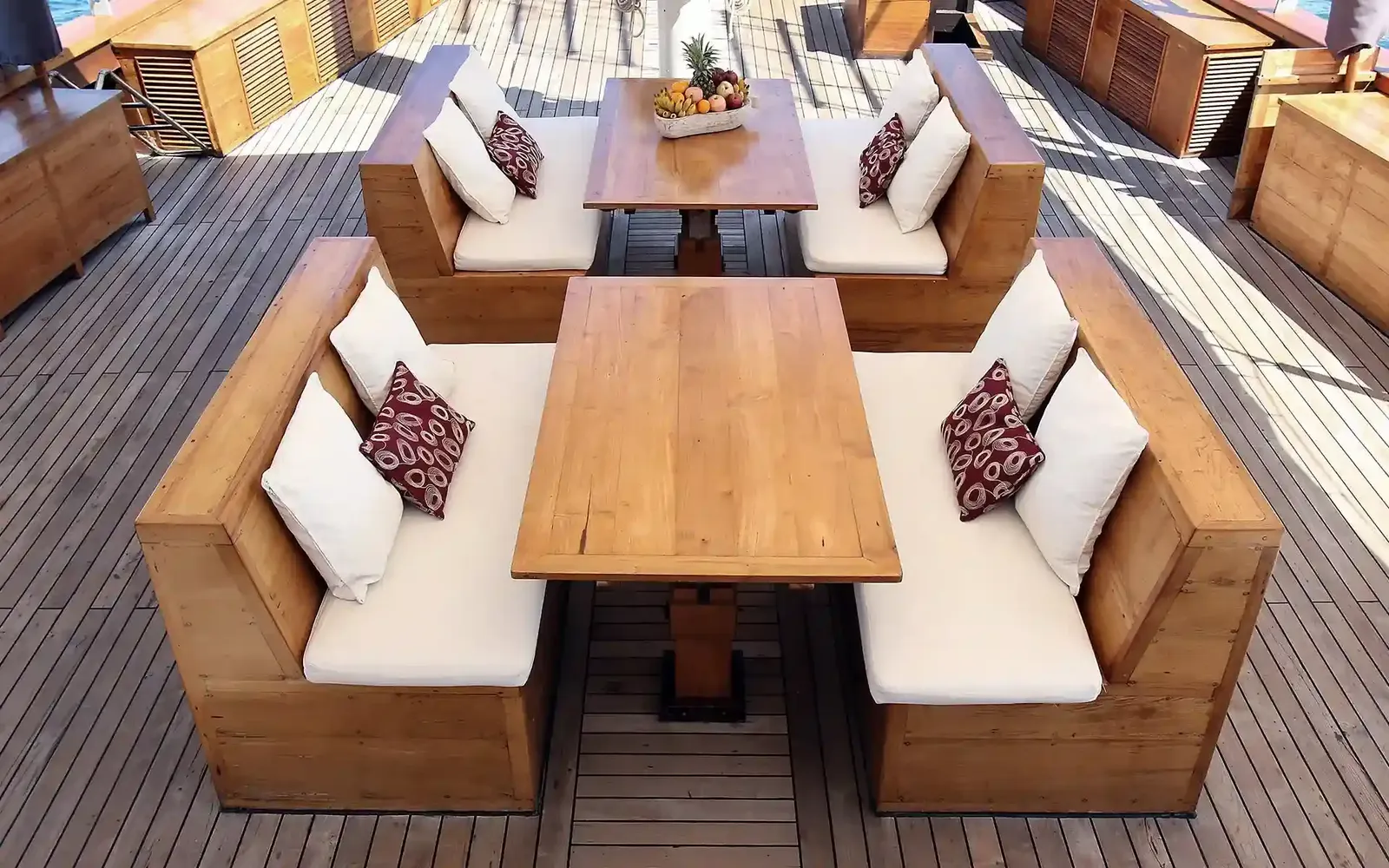
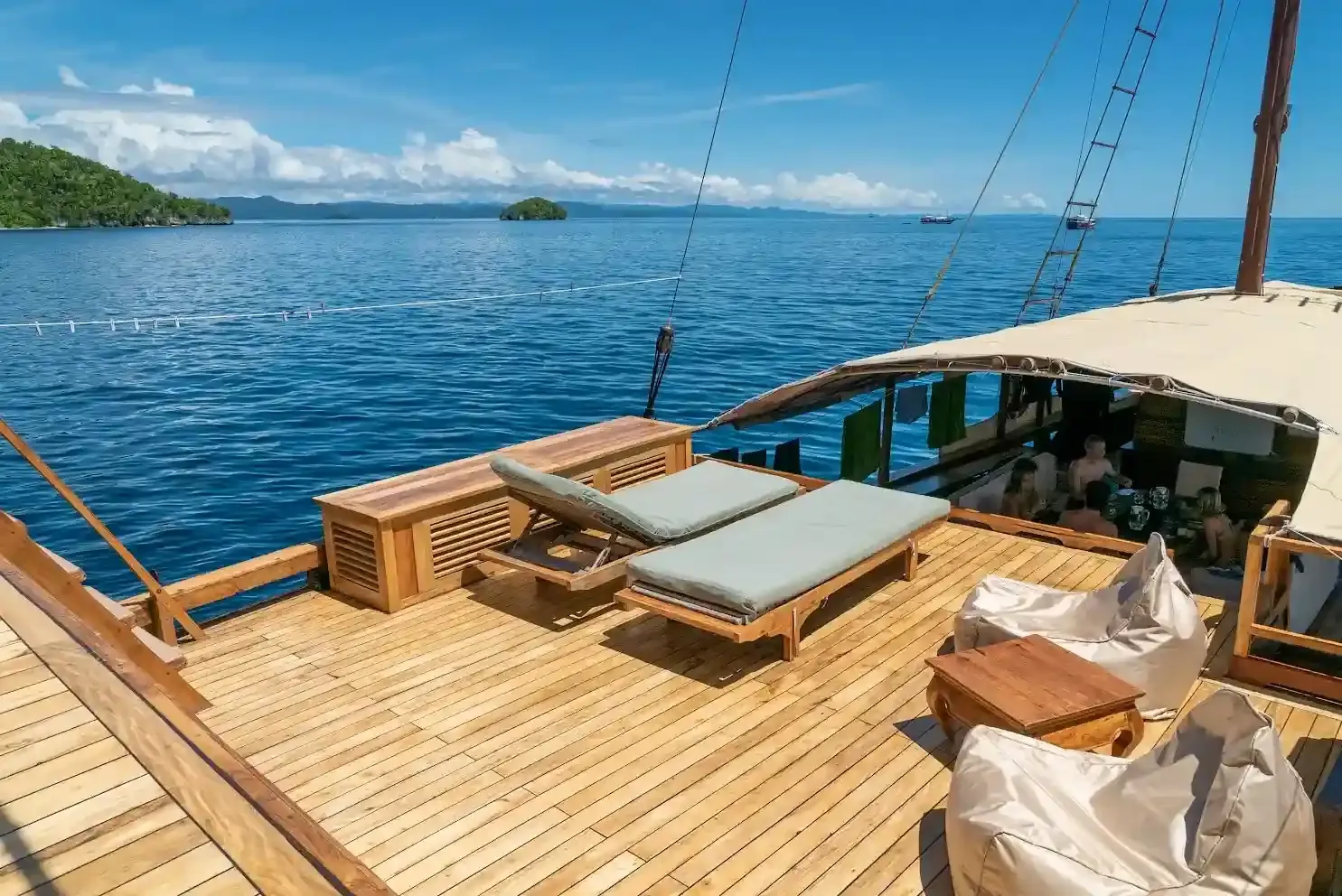
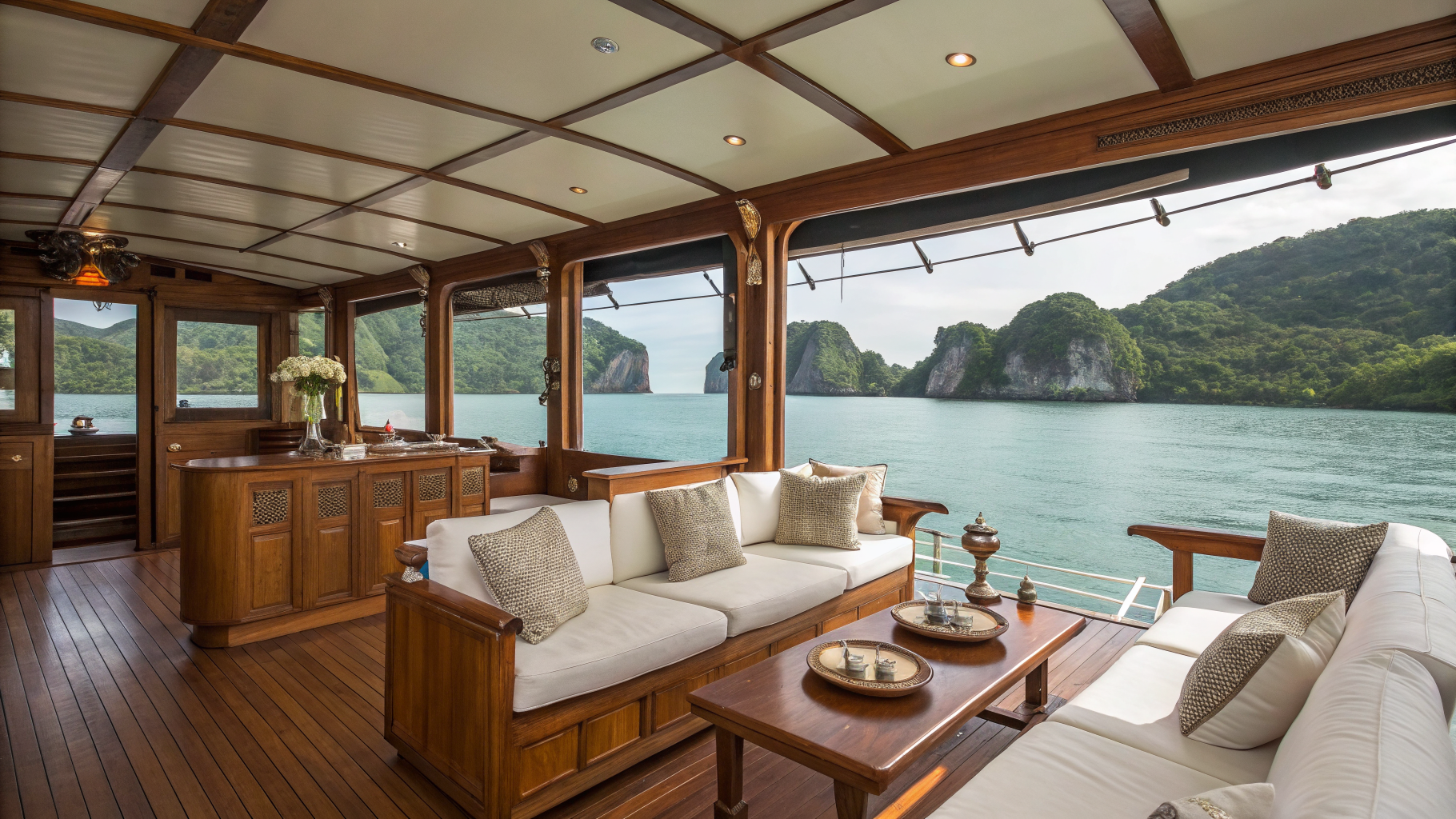
This is the part first-timers underestimate. On a typical day on a Raja Ampat liveaboard you will spend far more time out of the water than in it, and that time is genuinely part of the experience. Between the second and third dives there is often a two-to-three-hour gap that covers lunch and a repositioning cruise between islands. People nap on the sun deck, sort camera gear, top up on fruit and fresh juice, or sit with a book while limestone karsts drift past the rail.
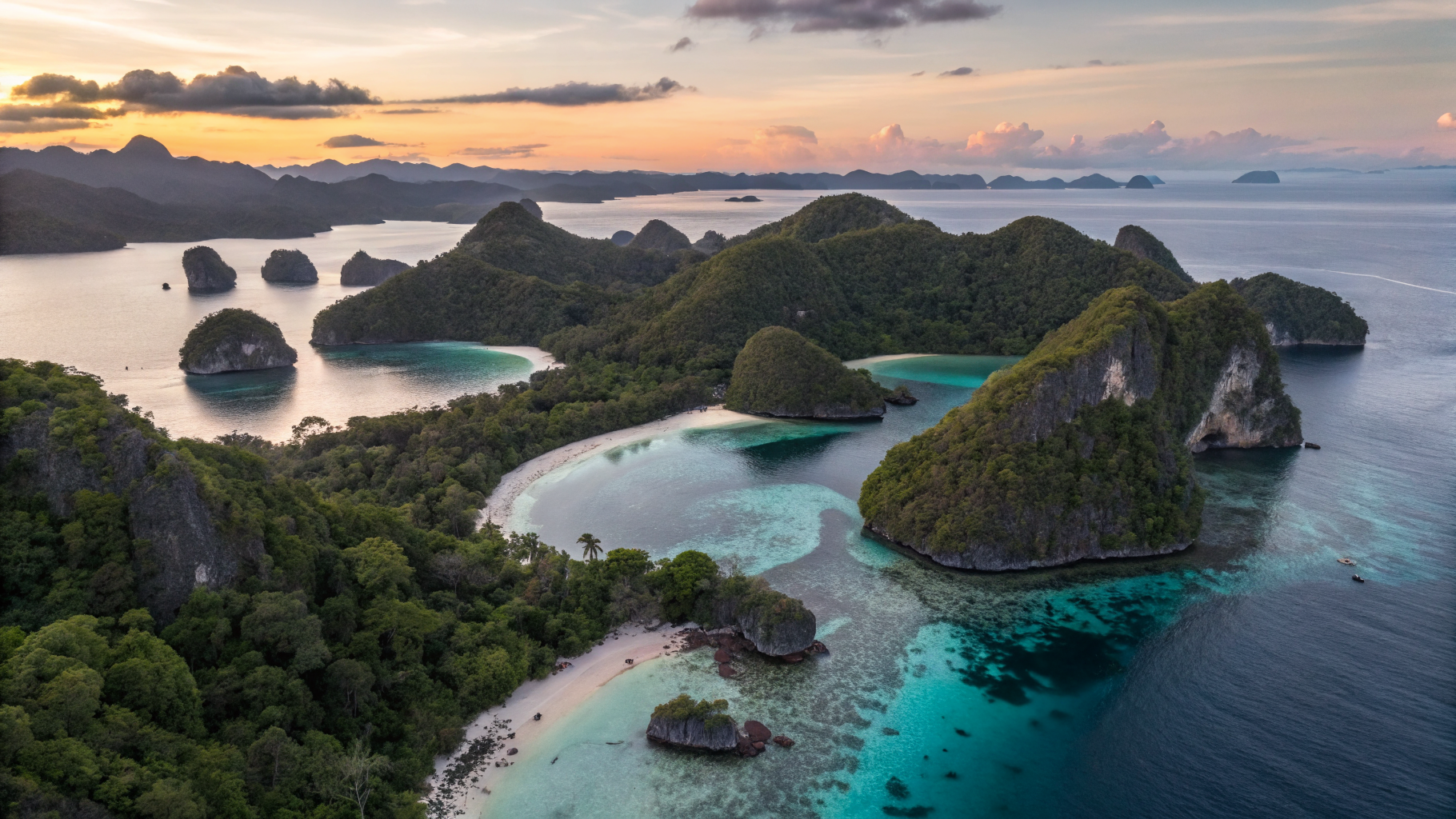
On many itineraries the boat uses the long midday interval to move a meaningful distance — for example shifting from the central Dampier Strait toward the mushroom-shaped islands of southern Misool, which is a longer passage. Some days replace a dive with a tender excursion: a paddle through a hidden lagoon, a climb to a viewpoint, or a snorkel over a shallow coral garden. Nitrogen management sets the pace, so the schedule is designed to keep you well inside safe limits across three or four dives a day for a week or more at sea.
When does the night dive happen, and should you do every one?
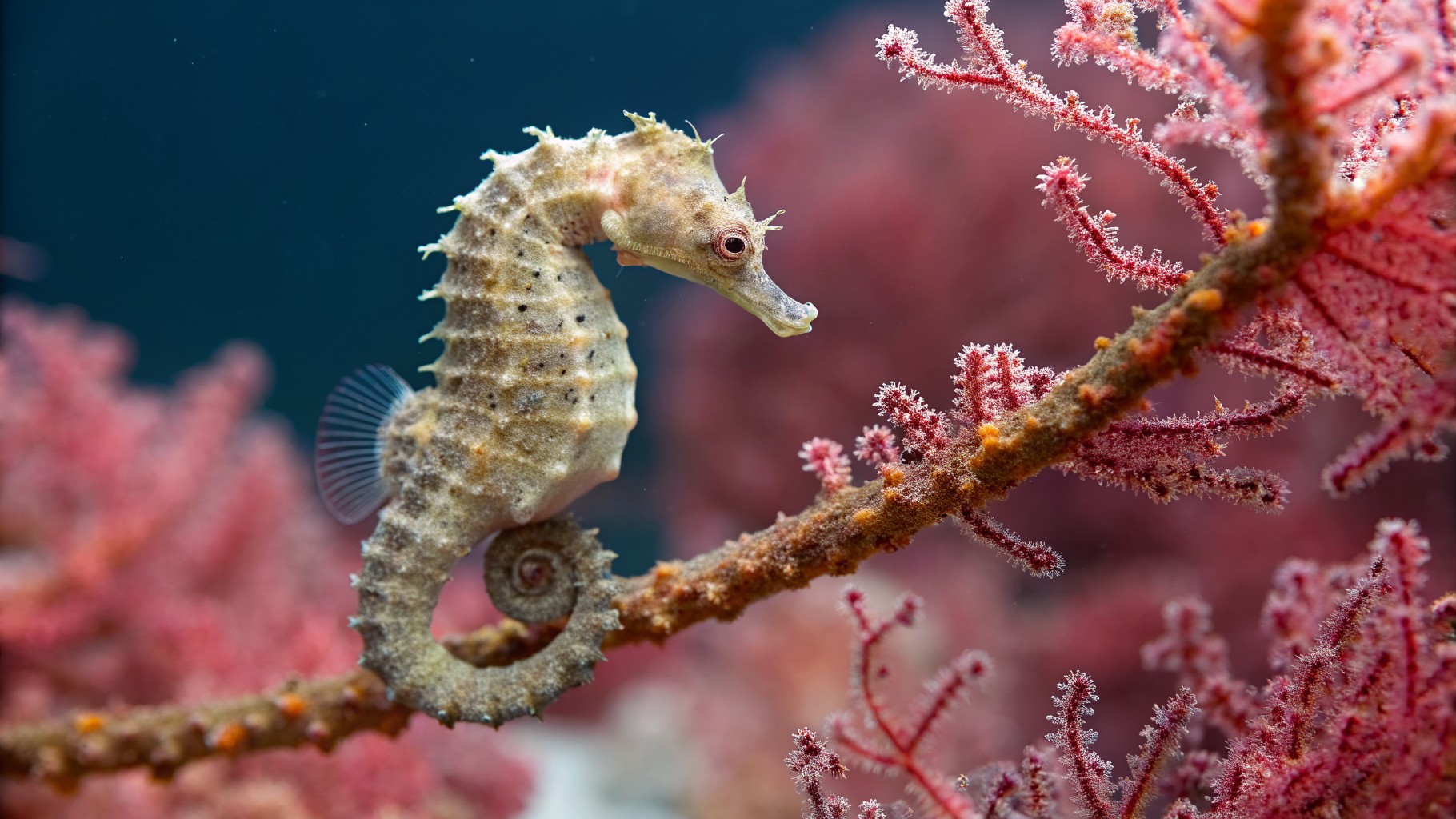
The fourth dive is the optional one. It usually goes in at dusk, rolling into full dark, and it is where Raja Ampat’s smaller residents come out — walking epaulette sharks, hunting lionfish, crustaceans, and the reef’s less obvious characters that hide by day. Misool in particular rewards a slow night dive because the soft coral and critter life in the south is extraordinary once you narrow your world down to a torch beam.
Nobody makes you do all four dives. Plenty of guests skip the night dive to protect their sleep, warm up, or simply save energy for a long crossing the next morning. Over a 6-to-11-night trip departing from Sorong, most divers settle into a personal rhythm — three dives most days, four when the site is worth it. Fatigue is real, and the crew would rather you rest than push a dive you are not feeling.
What are the meals and evenings like on board?
Food is frequent and generous because diving four times burns a surprising amount of energy. Expect a light pre-dawn bite, a cooked breakfast, mid-morning snacks, a proper lunch, afternoon tea and cake, and a full dinner — typically a mix of Indonesian dishes and international options, with fresh fish featuring often. Dietary needs are usually handled if you flag them before departure.
Evenings are quiet by design. After dinner the deck fills up with people filling in logbooks, comparing photos, and half-listening to the next day’s plan. Because Raja Ampat sits far from any city, the night sky is genuinely dark, and stargazing from the top deck becomes a nightly ritual. Most guests are asleep by 22:00 — the water calls early again. If you want the granular, trip-by-trip texture of these days rather than a general template, our first-hand dive logs record what specific voyages actually encountered, dive by dive.
How does the daily routine change north to south?
The template above holds across Raja Ampat, but the flavour of each day shifts with the route. In the north around the Dampier Strait, days are built around high-energy current dives, manta action, and the sheer fish density that gives the region its 1,500-plus recorded fish species. Head south to Misool and the pace can soften into reef-scenic dives over the richest soft-coral seascapes in the region, with more emphasis on wide-angle photography and macro life.
Your park permit (the personal PIN entry tag every visitor buys to fund local conservation) and your itinerary length shape how many of these worlds you see in one trip. A shorter charter might focus entirely on the Dampier Strait; a longer one links north and south with full travel days in between. Understanding that trade-off before you book is half the battle, and it is where choosing the right boat and route matters most.
Ready to picture your own week at sea?
Once the daily rhythm clicks, the only real decisions left are the route, the length of trip, and the boat that fits your style. We handle Raja Ampat liveaboard trips end to end — permits, transfers from Sorong, boat selection, and itinerary — as part of Juara Holding Group, operating from Bali across Indonesia since 2015. Browse the current options on our liveaboard packages page, then talk to a human about matching a boat to the way you want your days to run.
Message our booking desk directly on WhatsApp at wa.me/628113823875 or email [email protected] to check availability for the October-to-April season and plan your itinerary. Prices are indicative and confirmed per departure, so reach out and we will map a realistic quote to your dates.