In this article
- What is a Raja Ampat Banda Sea crossing liveaboard?
- When does the Raja Ampat Banda Sea crossing liveaboard run?
- Which dive sites does the crossing add?
- What are the crossing logistics?
- Who is the longer voyage for?
- How much does the crossing cost, and how do you book?
- Plan your Raja Ampat to Banda Sea crossing

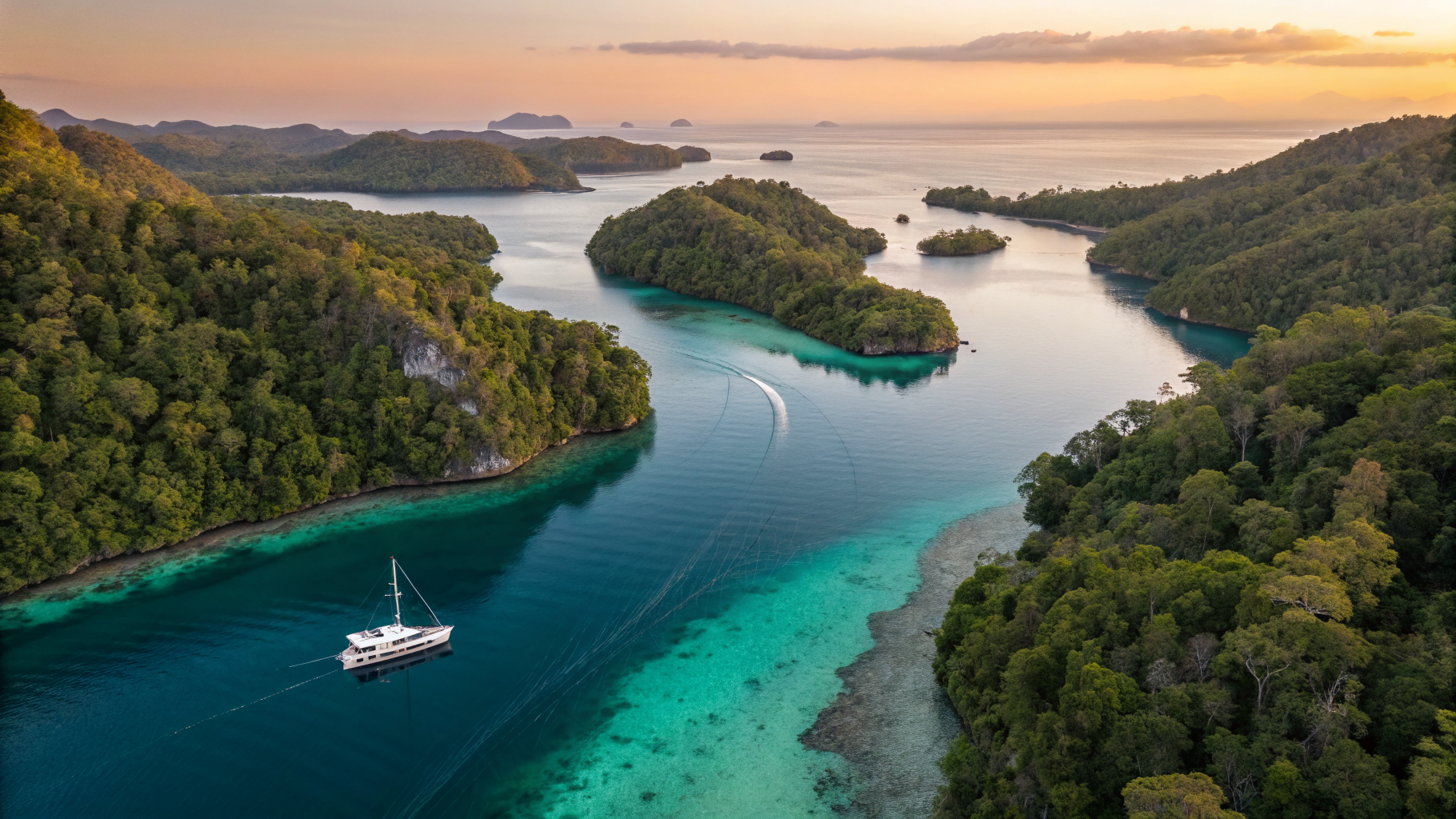
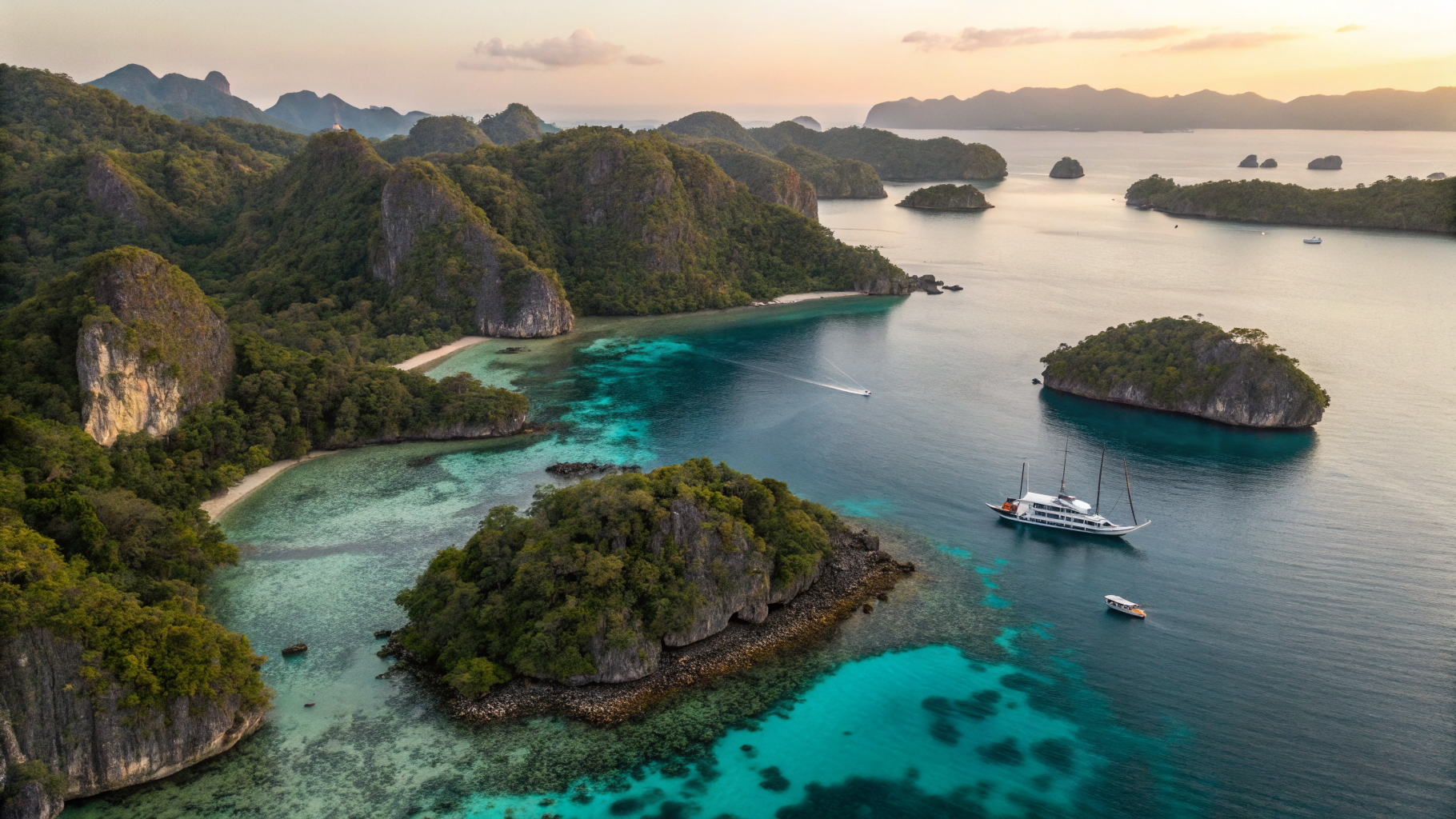
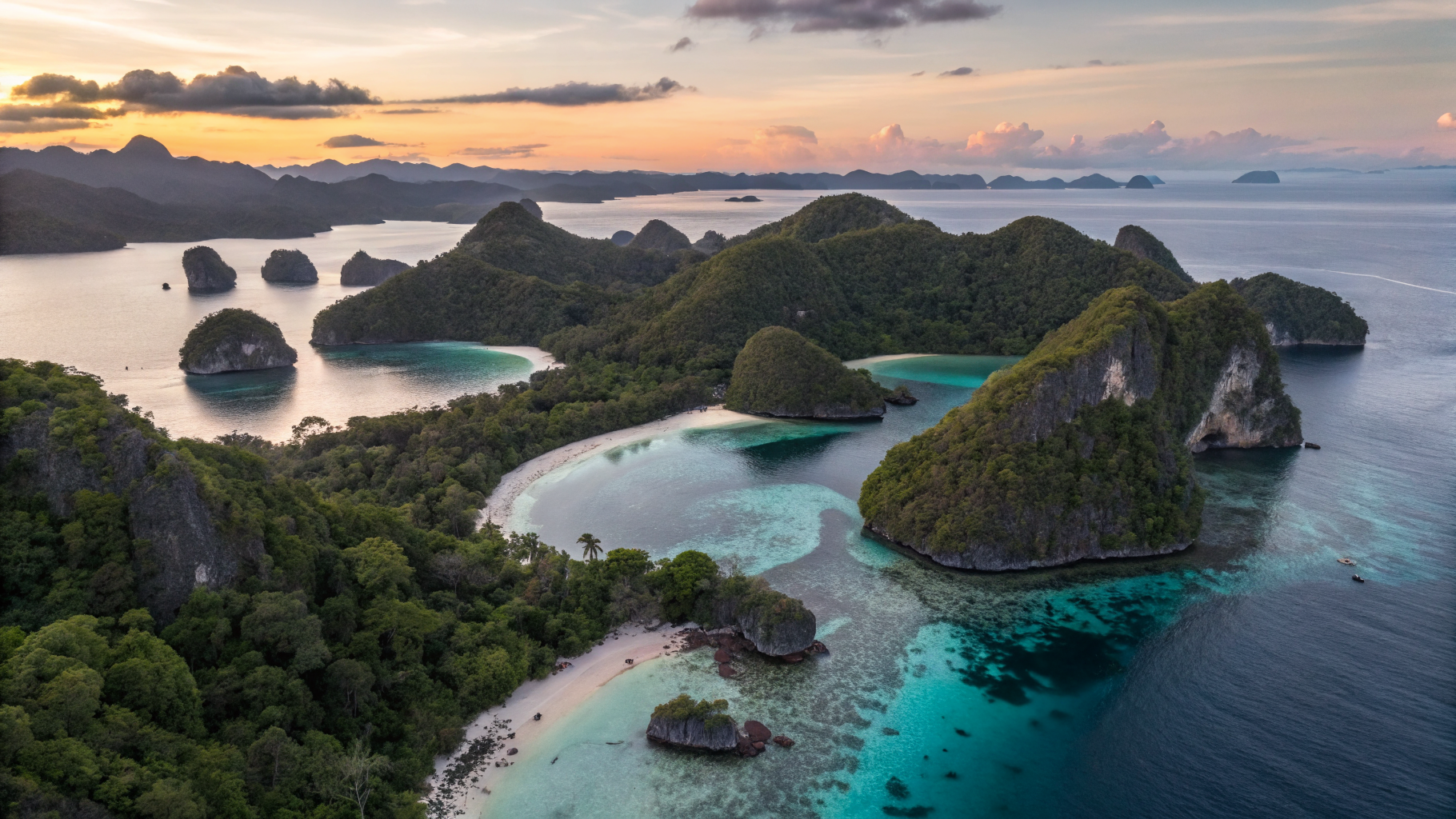
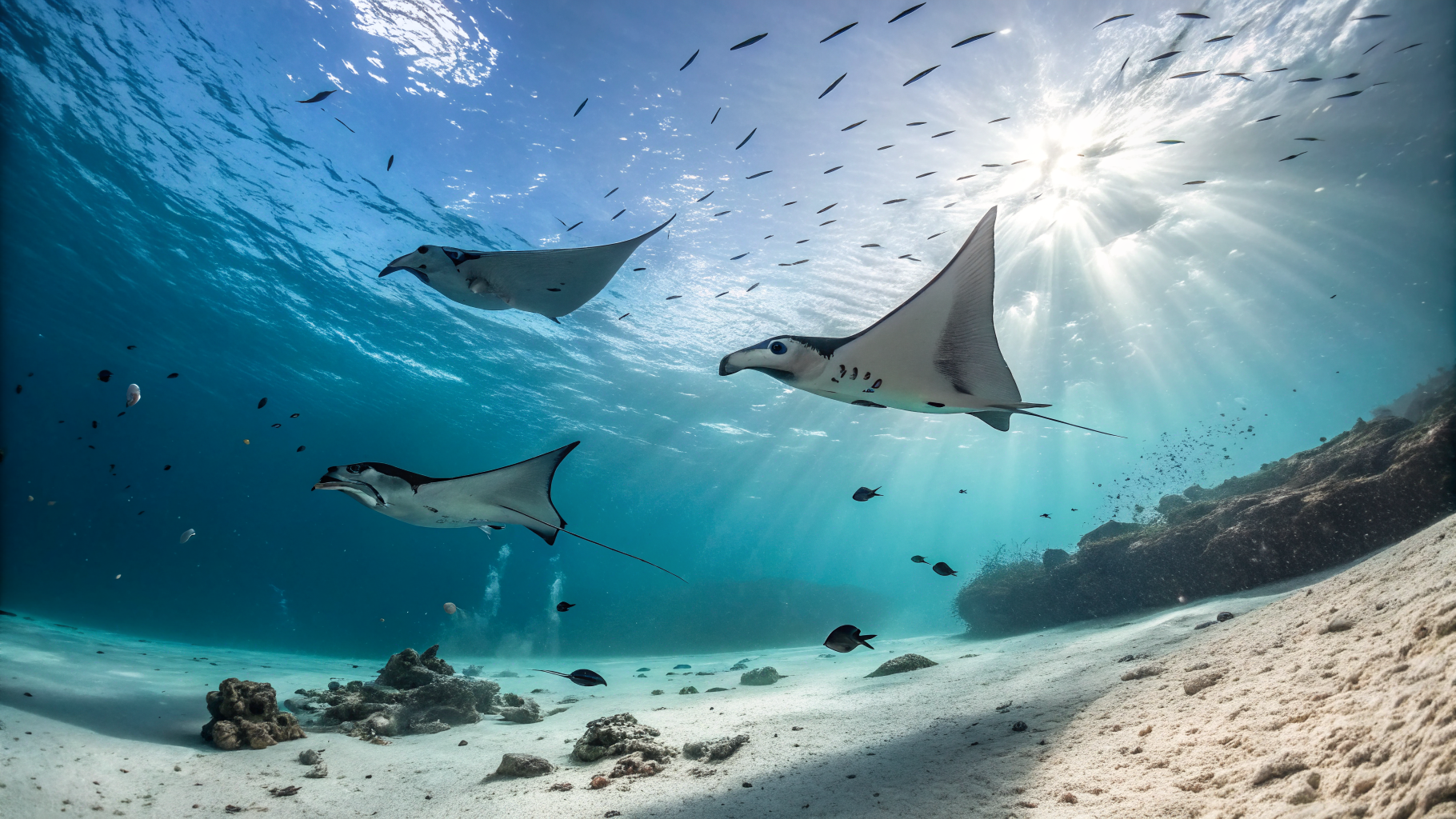
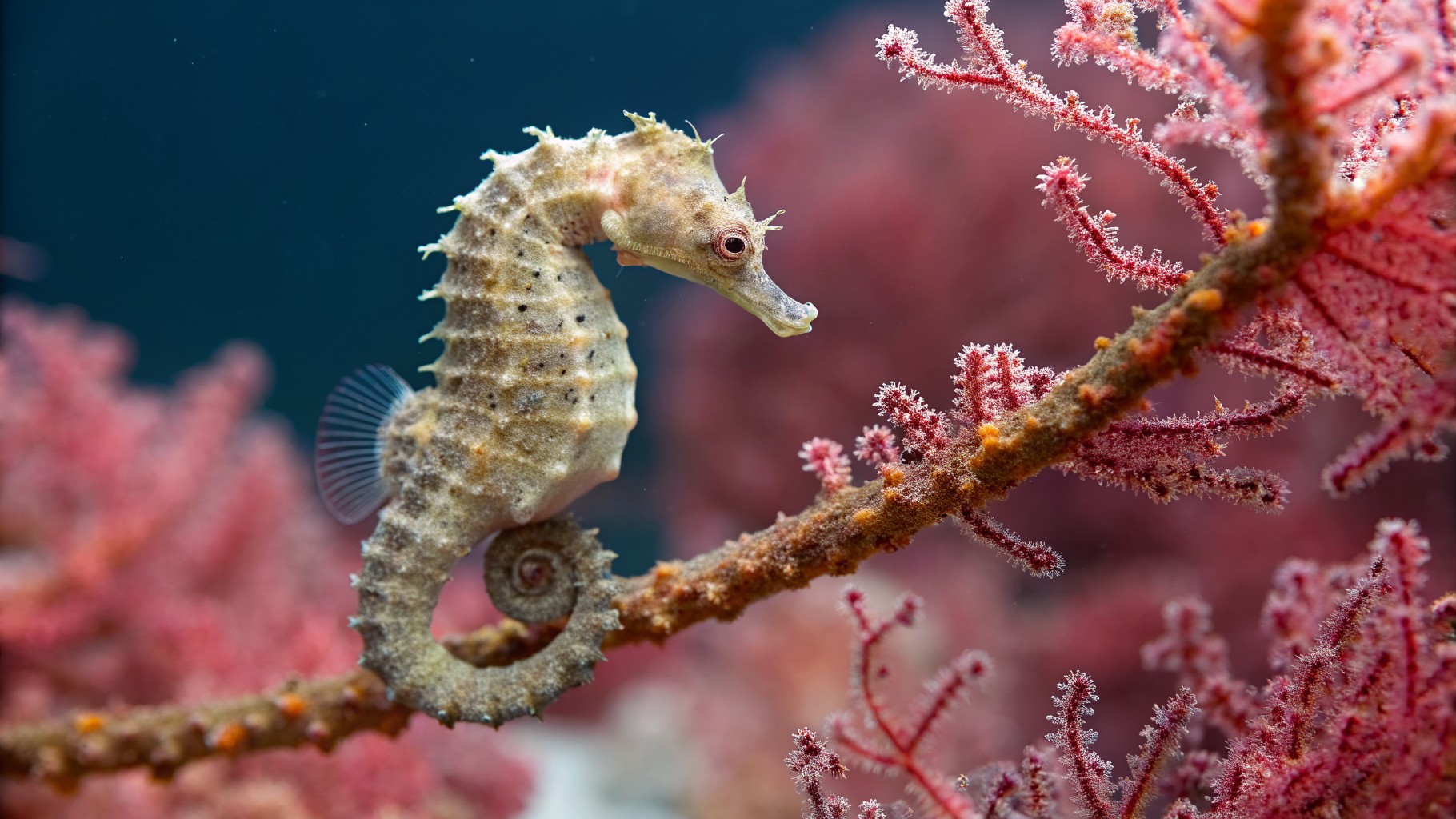

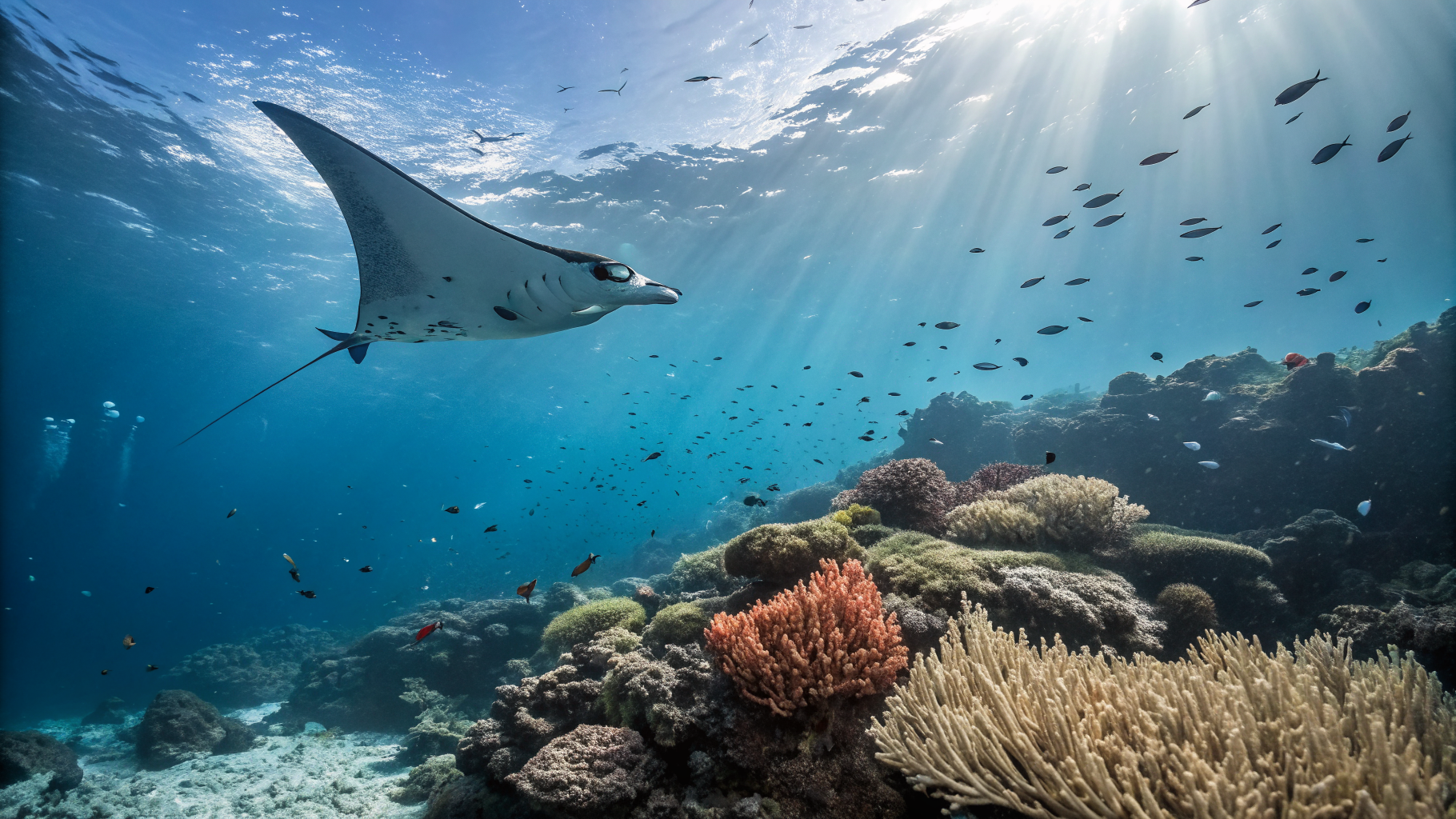
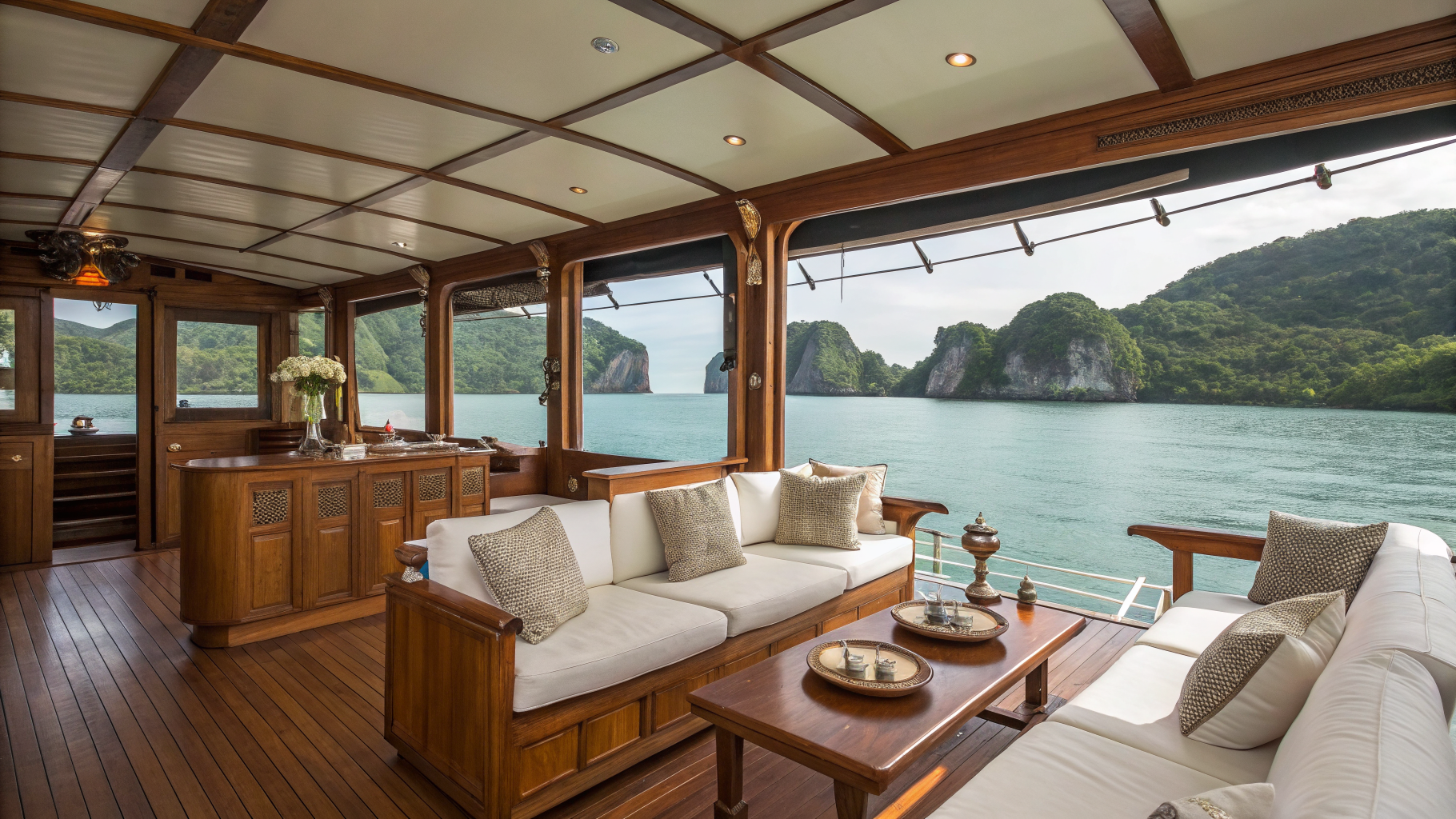
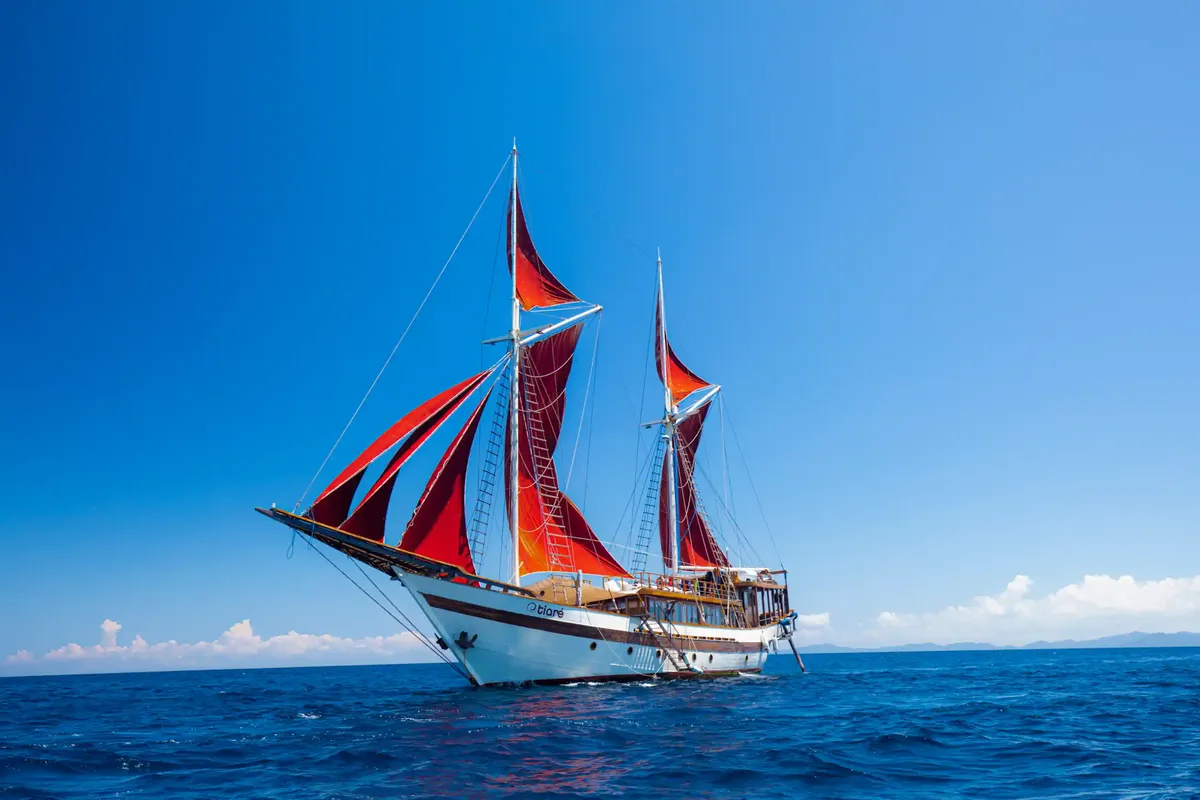
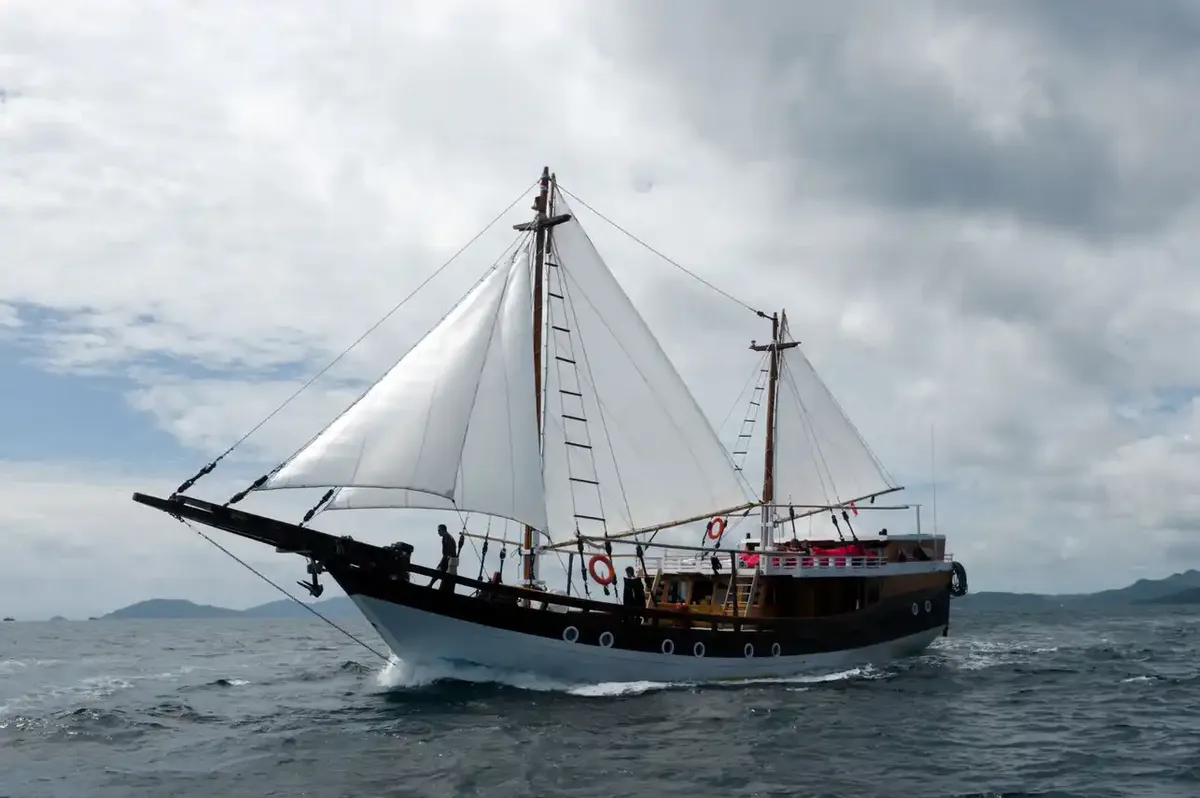
A raja ampat banda sea crossing liveaboard is an extended 11- to 13-night voyage that links the coral-rich reefs of Raja Ampat with the open-ocean pinnacles and volcanic islands of the Banda Sea. As of 2026, these repositioning trips run mainly during the calm transition months of October and November. Instead of circling one archipelago, the boat travels roughly 250–350 nautical miles of remote water, adding sea-snake colonies, hammerhead cleaning stations and historic spice islands to the familiar Dampier Strait dive sites. It is a voyage built for experienced divers who want pelagic action and genuine remoteness in a single trip.
What is a Raja Ampat Banda Sea crossing liveaboard?
Most Raja Ampat itineraries stay inside the archipelago, looping either the northern reefs around Dampier Strait or the southern soft-coral gardens of Misool. A crossing is different: it is a one-way repositioning passage that a liveaboard makes as it moves its season between Raja Ampat and the wider Banda Sea circuit. Because the boat is genuinely relocating rather than returning to the same port, you dive a chain of sites you would never reach on a standard round-trip route.
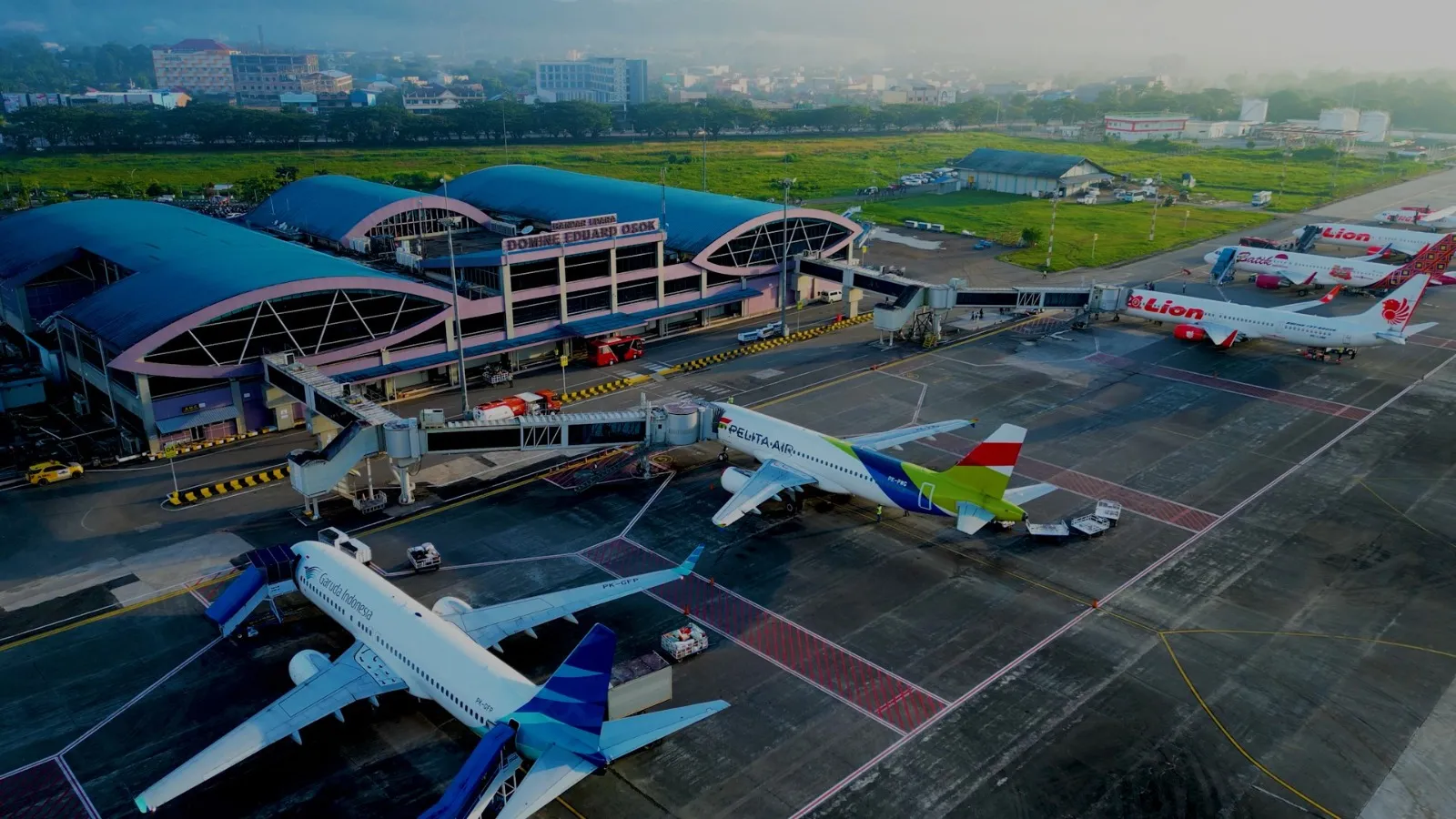
These voyages typically embark in Sorong (the main Raja Ampat gateway) and disembark in Ambon, or run the reverse direction. If you already know the standard loops from our Raja Ampat north route liveaboard package, think of the crossing as that experience plus a second, wilder ocean bolted onto the far end. You still get the world-class Dampier Strait diving before the boat points south into open water.
When does the Raja Ampat Banda Sea crossing liveaboard run?
The crossing is a seasonal window, not a year-round option. Raja Ampat’s main diving season runs roughly October to April, and the Banda Sea’s calmest, most diveable conditions fall in the transition periods on either side of the southeast monsoon. In practice, most operators schedule their crossings around late October and November, with a second, less common window in March and April.
October and November work best because the open passages between island groups are at their flattest, surface intervals are comfortable, and the long blue-water pinnacles are diveable. As of 2026, berths on these dates sell out early — the crossing runs only a handful of times per boat per year, so the total number of seats across the whole fleet is small. If your travel dates are fixed, book the crossing well ahead rather than assuming space will open up.
Which dive sites does the crossing add?
The Raja Ampat leg delivers what the region is famous for: Cape Kri, which holds a record for the most fish species counted on a single dive, and Blue Magic, a cleaning station where oceanic manta rays hang in the current. Raja Ampat’s reefs shelter more than 1,500 fish species in total, and the crossing lets you dive them before the character of the trip changes completely.
Once the boat heads south into the Banda Sea, the diving shifts from reef abundance to open-ocean drama. The sites below are the ones a crossing typically adds that you cannot reach on a standard Raja Ampat loop.
| Dive site / area | What it is known for |
|---|---|
| Gunung Api & Manuk | Remote volcanic islets famous for large aggregations of banded sea kraits (sea snakes) over the reef |
| Banda Neira | Historic spice island with mandarinfish dives, dramatic wall diving and a working colonial-era town |
| Nil Desperandum & Suanggi | Submerged pinnacles and blue-water walls known for schooling pelagics and seasonal hammerhead sightings |
| Koon (Too Many Fish) | An eastern reef corner that can fill with dense schooling fish when the current runs |
| Ambon Bay | Muck-diving finale with rhinopias, frogfish and the endemic psychedelic frogfish near the disembarkation port |
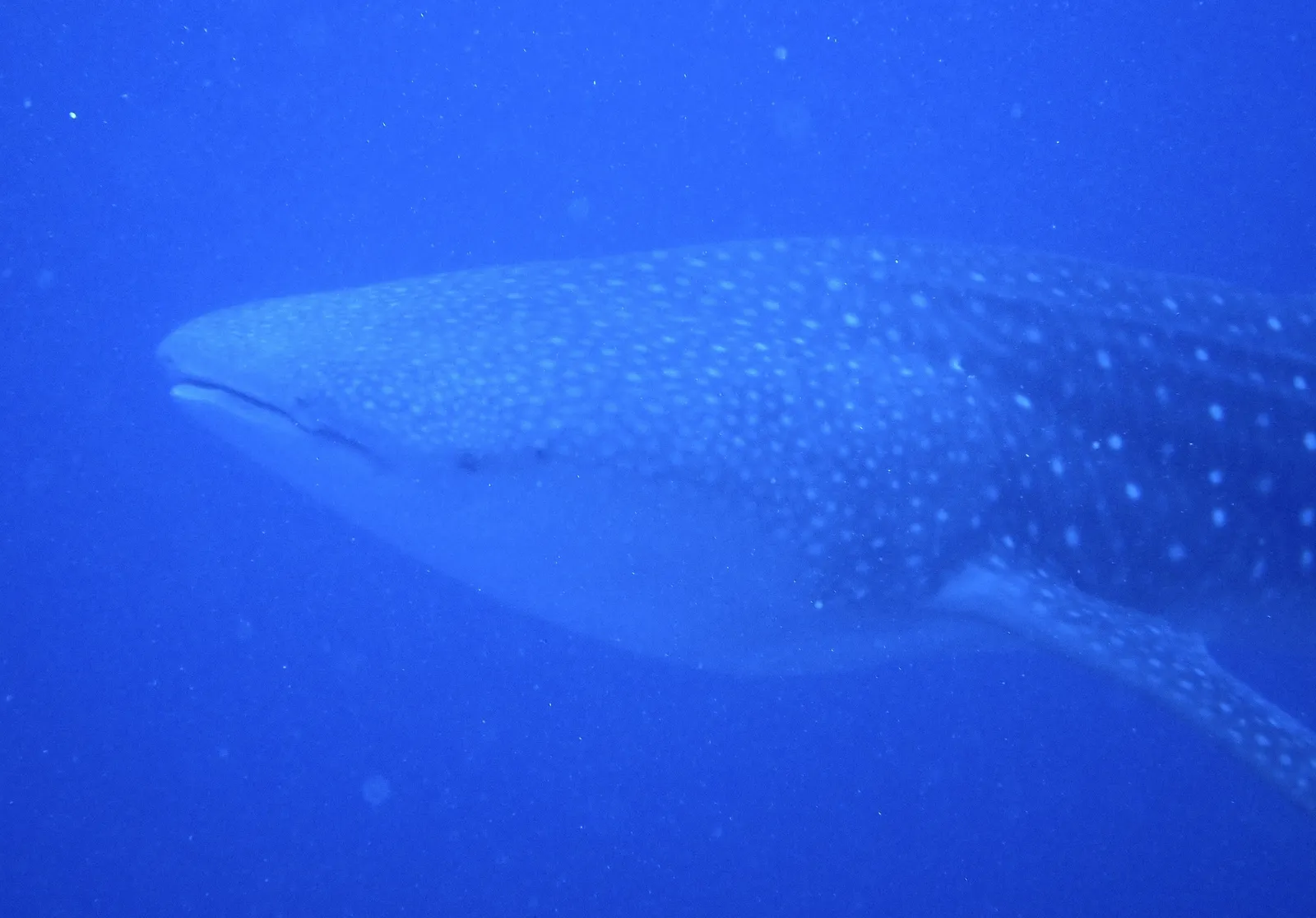
No operator can promise specific pelagic encounters — hammerheads, in particular, are seasonal and current-dependent. What the crossing reliably delivers is variety: reef, pelagic pinnacle, volcanic-island oddity and critter muck, all inside one itinerary.
What are the crossing logistics?
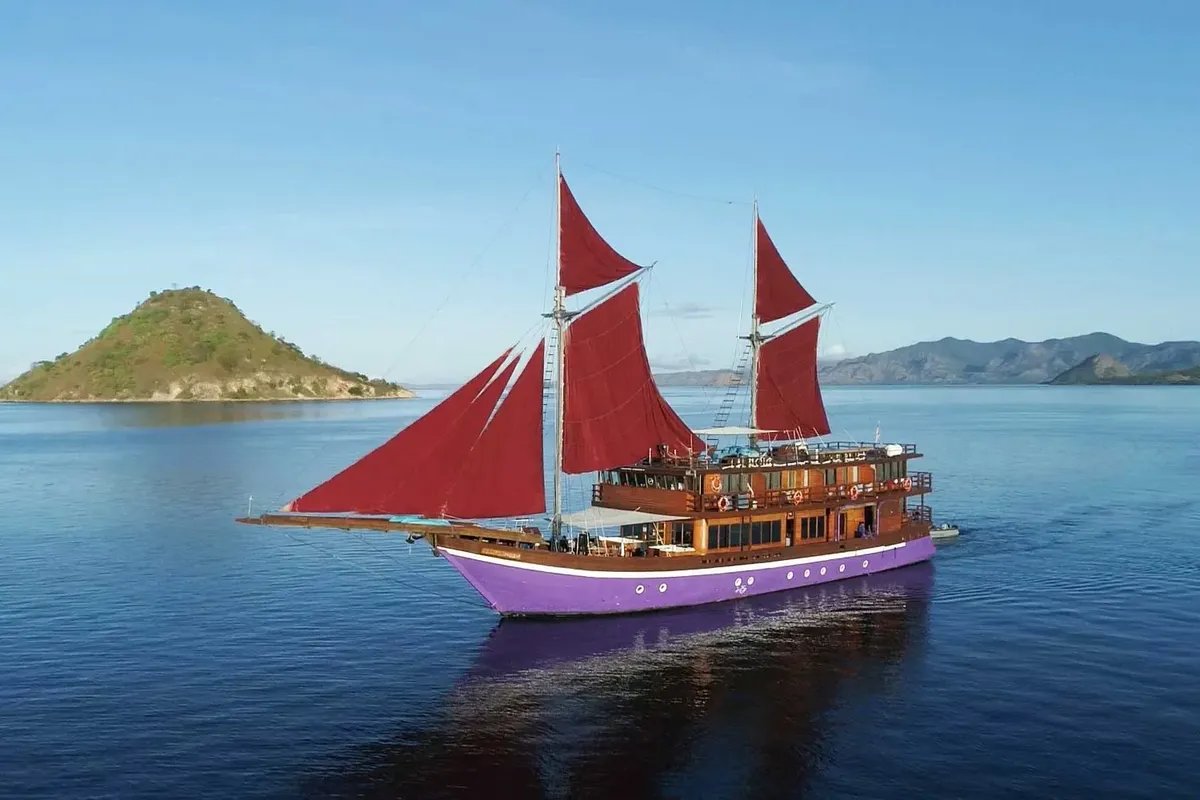
The single biggest difference from a standard trip is open water. A crossing includes long repositioning passages between island groups, sometimes overnight, across stretches with no other boats in sight. Sea conditions are usually gentle in the October–November window, but this is remote diving far from any port, so a stable vessel and an experienced crew matter more here than on a sheltered inner-Raja-Ampat loop.
A few practical points to plan around:
- Ports: most crossings run Sorong to Ambon or the reverse. Book flexible flights, since the two ends are in different provinces and connecting schedules can shift.
- Permits: the Raja Ampat portion still requires the marine park entry permit (the PIN card). Reputable operators arrange this for you and include it or list it clearly as an extra.
- Currents: conditions range from moderate to strong. Dampier Strait’s cleaning stations and the Banda pinnacles both reward divers comfortable with drift and negative entries.
- Duration: expect 11 to 13 nights. The extra length is what makes the distance and the added dive sites possible.
Who is the longer voyage for?
A raja ampat banda sea crossing liveaboard suits divers who are past their first tropical liveaboard and ready for something more demanding. Ideal candidates hold an advanced certification, are comfortable in current and blue water, and have enough logged dives that a negative-entry drop onto a deep pinnacle feels routine rather than stressful.
It is also a trip for people who value remoteness over convenience. You trade the option of shorter itineraries and easy flight connections for two full ocean ecosystems and dive sites that only a handful of boats visit each year. If you want a first taste of Raja Ampat with gentle reefs and short surface intervals, a standard north or south loop is the better starting point. If you have already dived Raja Ampat and want to push further, the crossing is the natural next step.
Couples and small groups who want the itinerary shaped around their own experience level often prefer to take the whole boat. A private charter lets you set the pace, choose how much of each region to emphasise, and dive with a guide-to-guest ratio you control — worth considering for a voyage this long and this remote.
How much does the crossing cost, and how do you book?
Crossing itineraries sit at the higher end of Raja Ampat pricing because they are longer and cover more distance. As an indicative guide only, per-person rates for these extended voyages generally run higher than a standard 6- to 8-night Raja Ampat trip; exact pricing depends on the boat, cabin category, season and what is bundled in. Treat any figure you see as a starting point and confirm the full inclusions — permits, park fees, nitrox, and airport transfers all vary between operators. We provide a written quote with everything itemised before you commit, and never lock you into a rate without a clear breakdown.
Because the crossing runs so few times a year, the practical booking advice is simple: decide on your dates first, then secure the berth. If your preferred window is full, a private charter can sometimes open dates that fixed-schedule departures cannot. You can compare the full range of options on our liveaboard packages page and we will match a boat and route to your experience level.
Plan your Raja Ampat to Banda Sea crossing
We arrange the crossing end to end — boat selection, cabin, permits, transfers and route planning — so you arrive with the logistics already handled. As part of Juara Holding Group, operating from Bali across Indonesia since 2015, we plan these voyages with local knowledge of the seasons, the ports and the vessels that handle open-water crossings well.
To check 2026 crossing dates and availability, message our booking desk on WhatsApp at +62 811-3823-875 or email [email protected]. Tell us your experience level and preferred window, and we will send a tailored itinerary and an itemised quote for your Raja Ampat–Banda Sea crossing.