In this article
- What does a small group Raja Ampat liveaboard max 12 divers really mean?
- Why do fewer divers mean better dive site access?
- How does small-group guiding change the underwater experience?
- When should you book a small-capacity Raja Ampat trip?
- What does a small-group liveaboard cost?
- How do you choose the right small-group boat?
- Plan your intimate Raja Ampat expedition
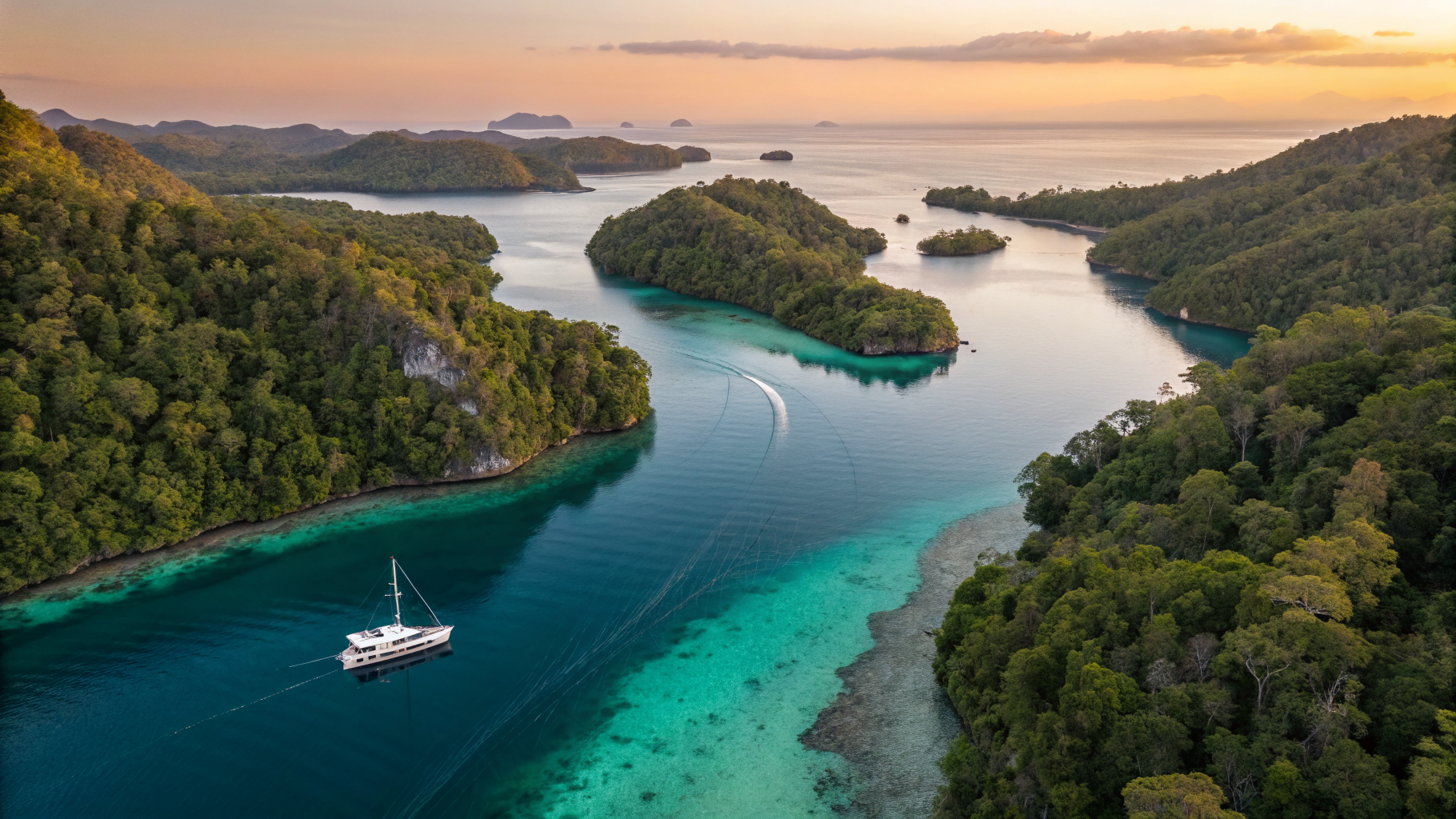
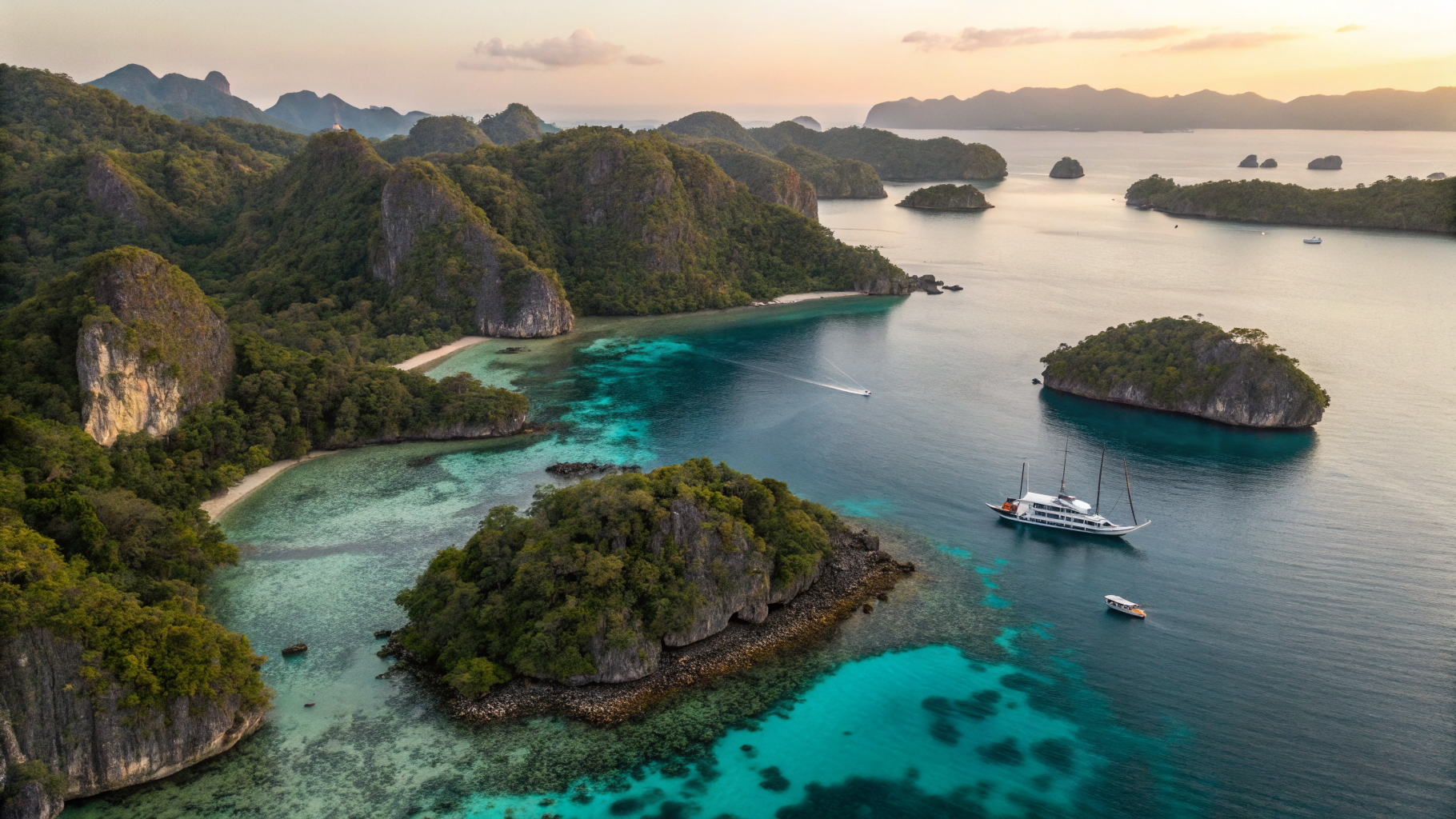
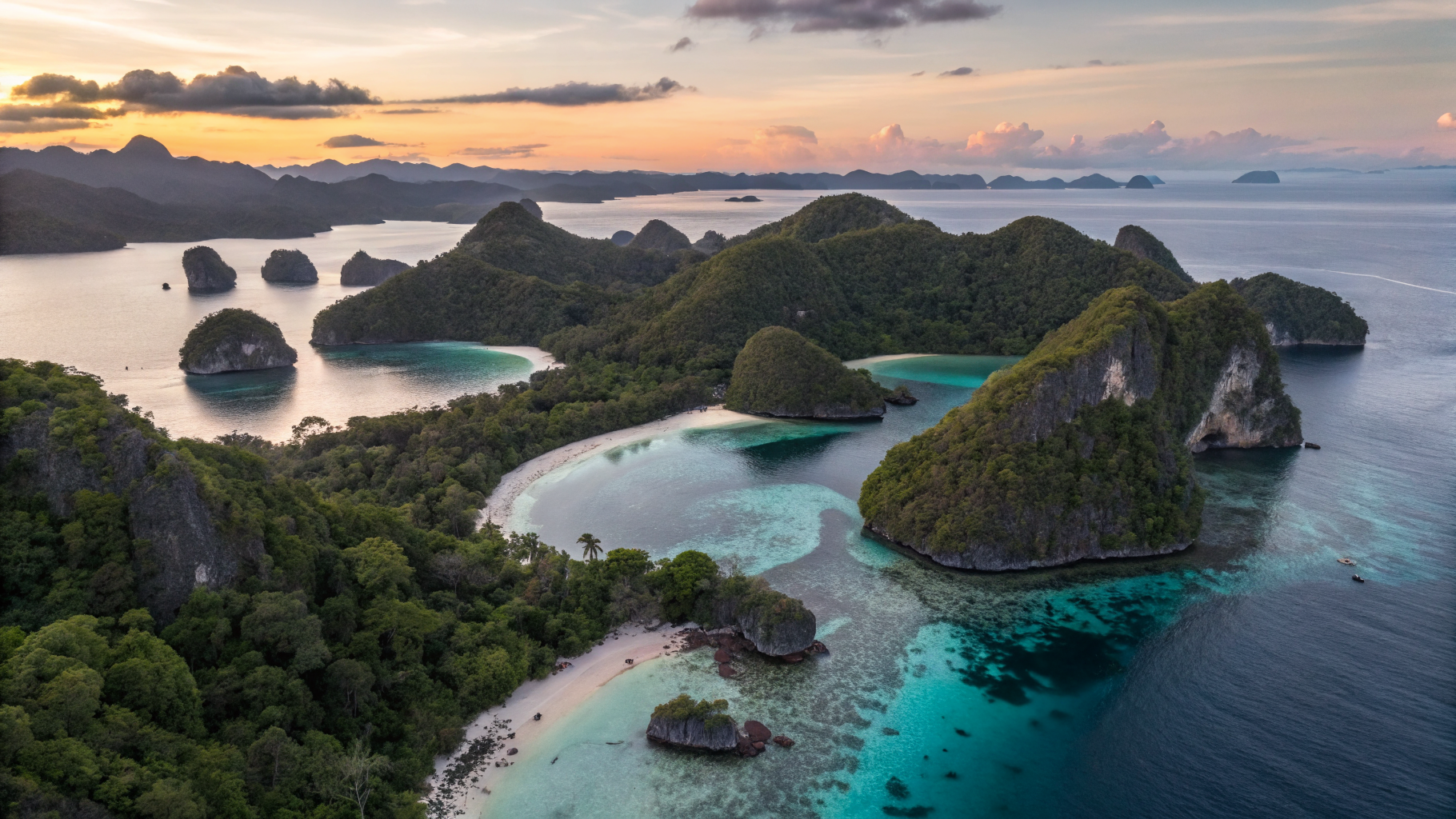
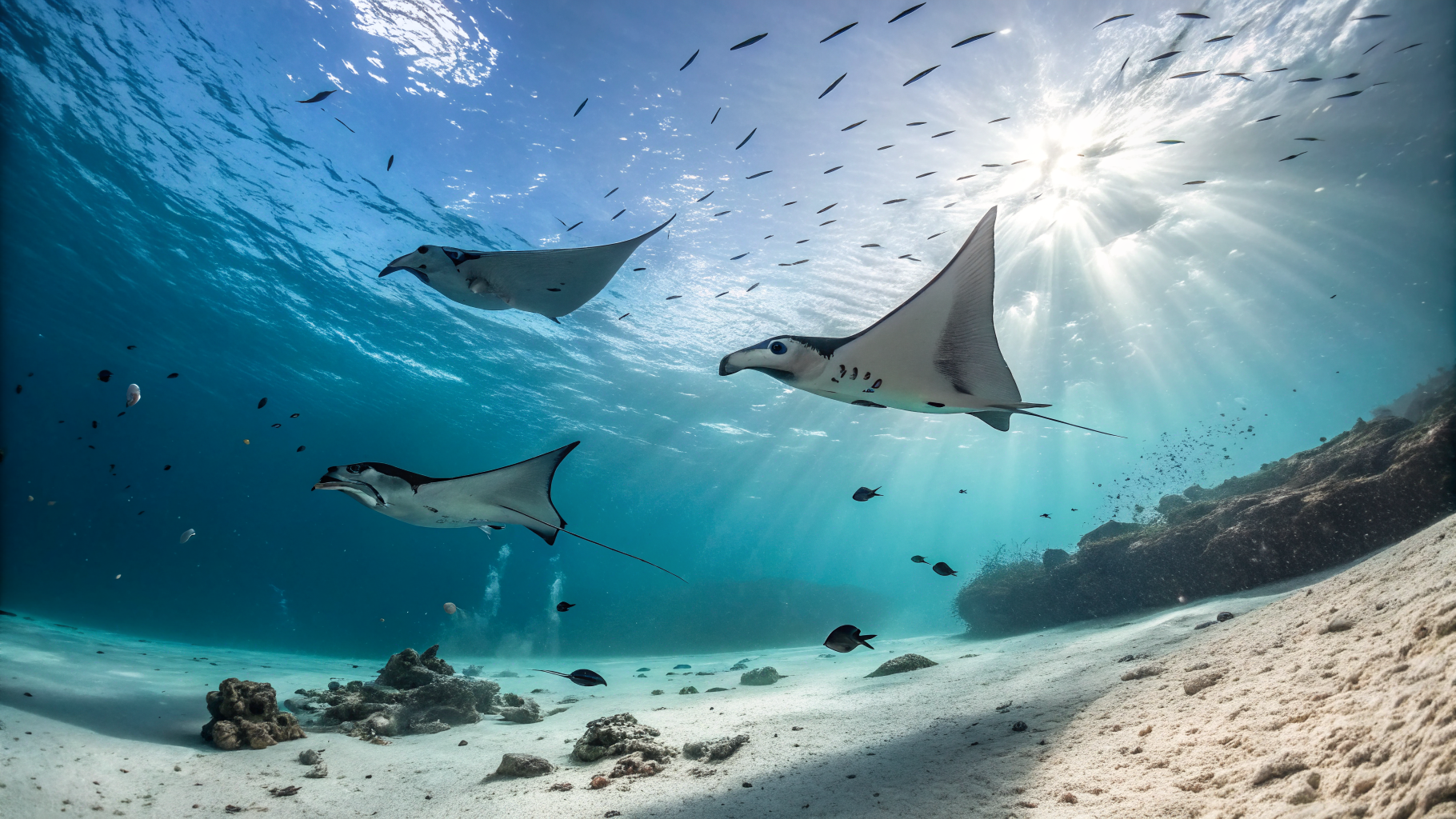
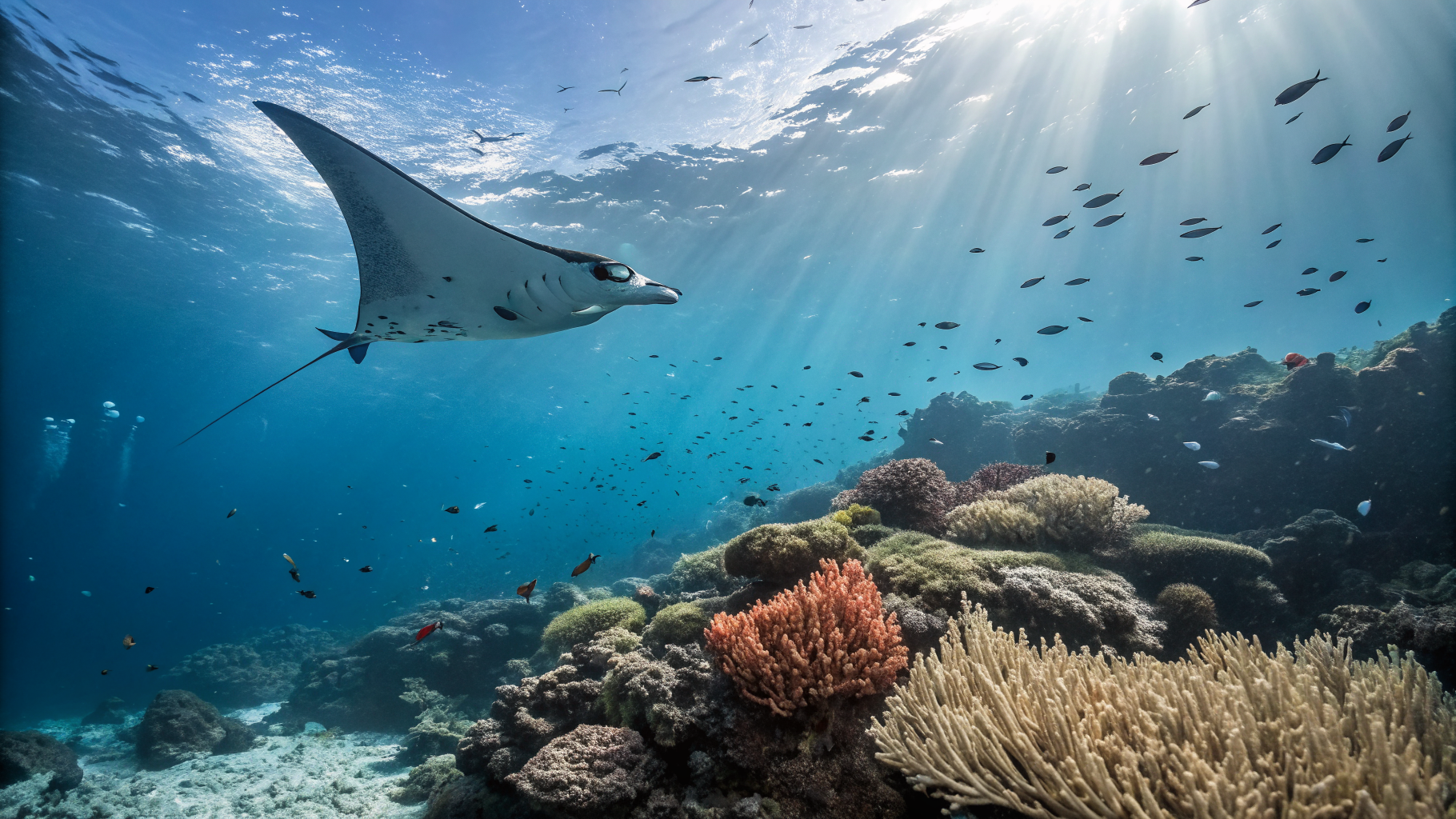
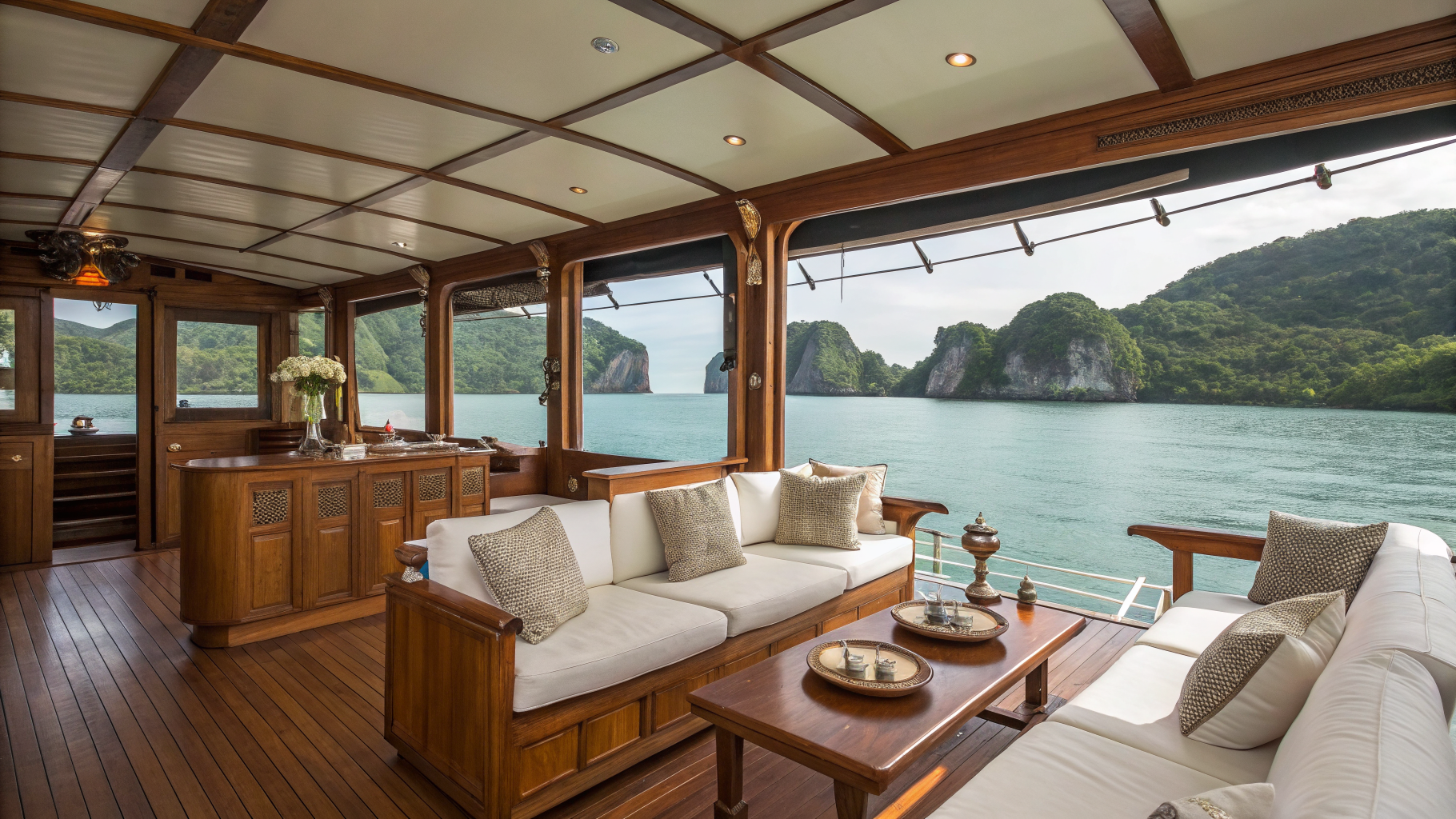
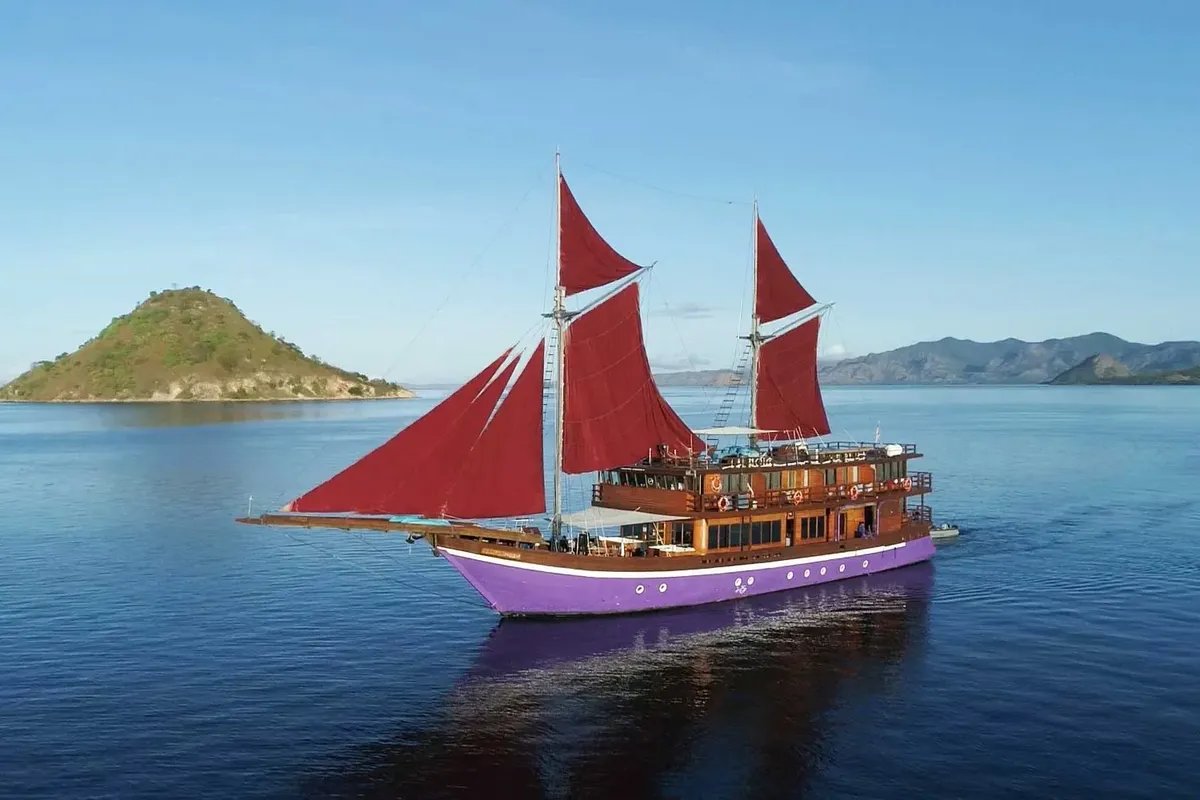
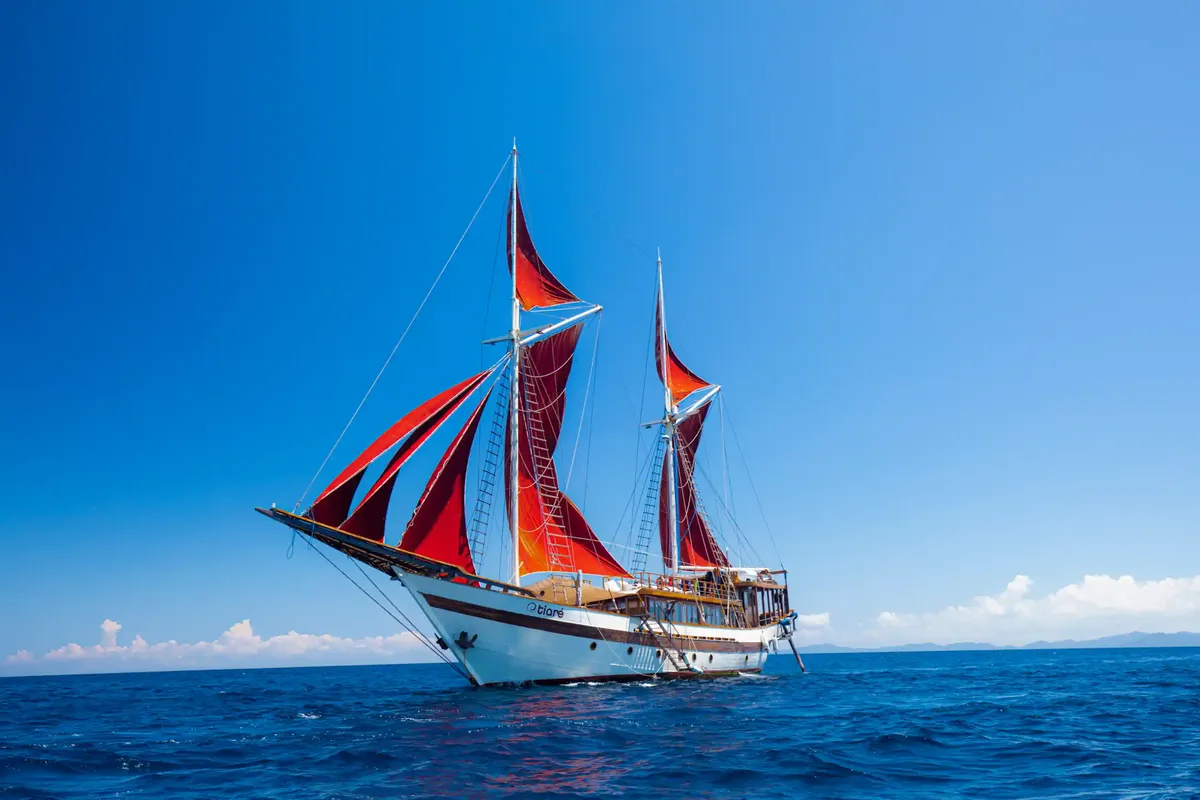
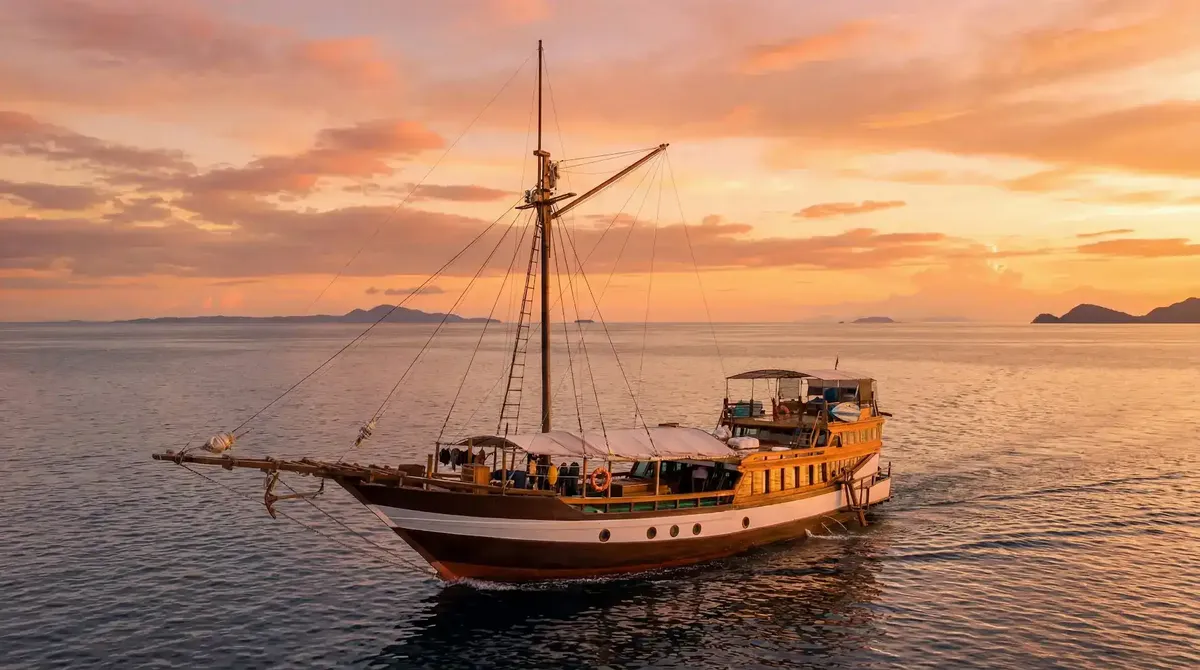
A small group Raja Ampat liveaboard max 12 divers is a boat that carries no more than a dozen guests, so every dive briefing, tender ride, and drop is built around a handful of people rather than a crowd. As of 2026, this boutique format is how experienced divers reach signature sites like Cape Kri and Blue Magic with fewer bubbles overhead, faster entries, and a guide who actually tracks your air consumption. If you want an intimate expedition instead of a packed 20-plus-guest schedule, guest capacity is the single most important number on any brochure.
What does a small group Raja Ampat liveaboard max 12 divers really mean?
Capacity is not a marketing label — it changes the physics of your day underwater. On a boat capped at twelve, the crew typically runs one or two tenders (dinghies) with tight, low-ratio guiding, often around one guide per four to six divers. That means shorter surface intervals waiting for others to gear up, quicker water entries before a current builds, and briefings tailored to the exact people in the group rather than a generic script for thirty strangers.
On larger vessels, a single dive site can see two or three tender-loads of divers rotating through in sequence. By the time the last group descends, the reef has been swept by dozens of fins and the best pelagic action may have moved on. A small group Raja Ampat liveaboard max 12 divers lets the whole guest list hit the water in a single, coordinated wave — which is exactly what you want at a manta cleaning station or on a current-swept ridge where timing is everything.
Why do fewer divers mean better dive site access?
Raja Ampat is famous for moderate-to-strong currents, and current is the engine that draws in the big stuff. The catch is that the productive tidal windows are short. At sites like Blue Magic in the Dampier Strait — a seamount known for oceanic manta rays, wobbegong sharks, and schooling fish — the difference between a mediocre dive and an unforgettable one can be fifteen minutes of slack-to-incoming water. Getting everyone down together in that window is far easier with twelve divers than with thirty.
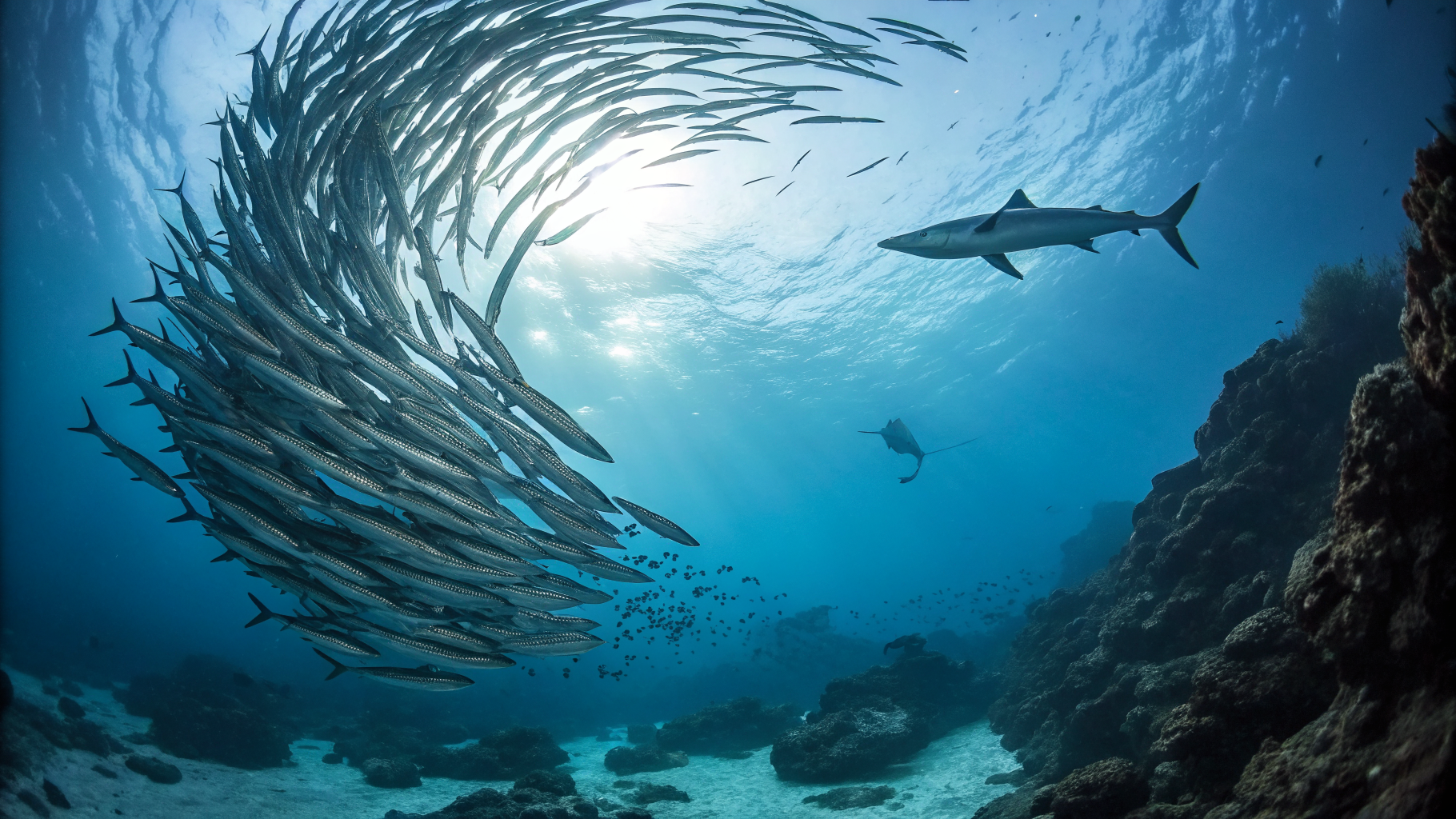
Cape Kri, also in the Dampier Strait, holds a documented record for the most fish species counted on a single dive, a reflection of the region’s extraordinary biodiversity — Raja Ampat is home to more than 1,500 species of reef fish. A crowded ridge disturbs the schooling behaviour that makes Cape Kri special; a small, well-spaced group leaves the reef calm and the photography clean. Fewer divers also means the crew can pivot quickly. If the current flips or a spot is unexpectedly busy with another boat, a nimble twelve-guest operation can reposition to an alternative site without the logistical drag of moving a large manifest.
How does small-group guiding change the underwater experience?
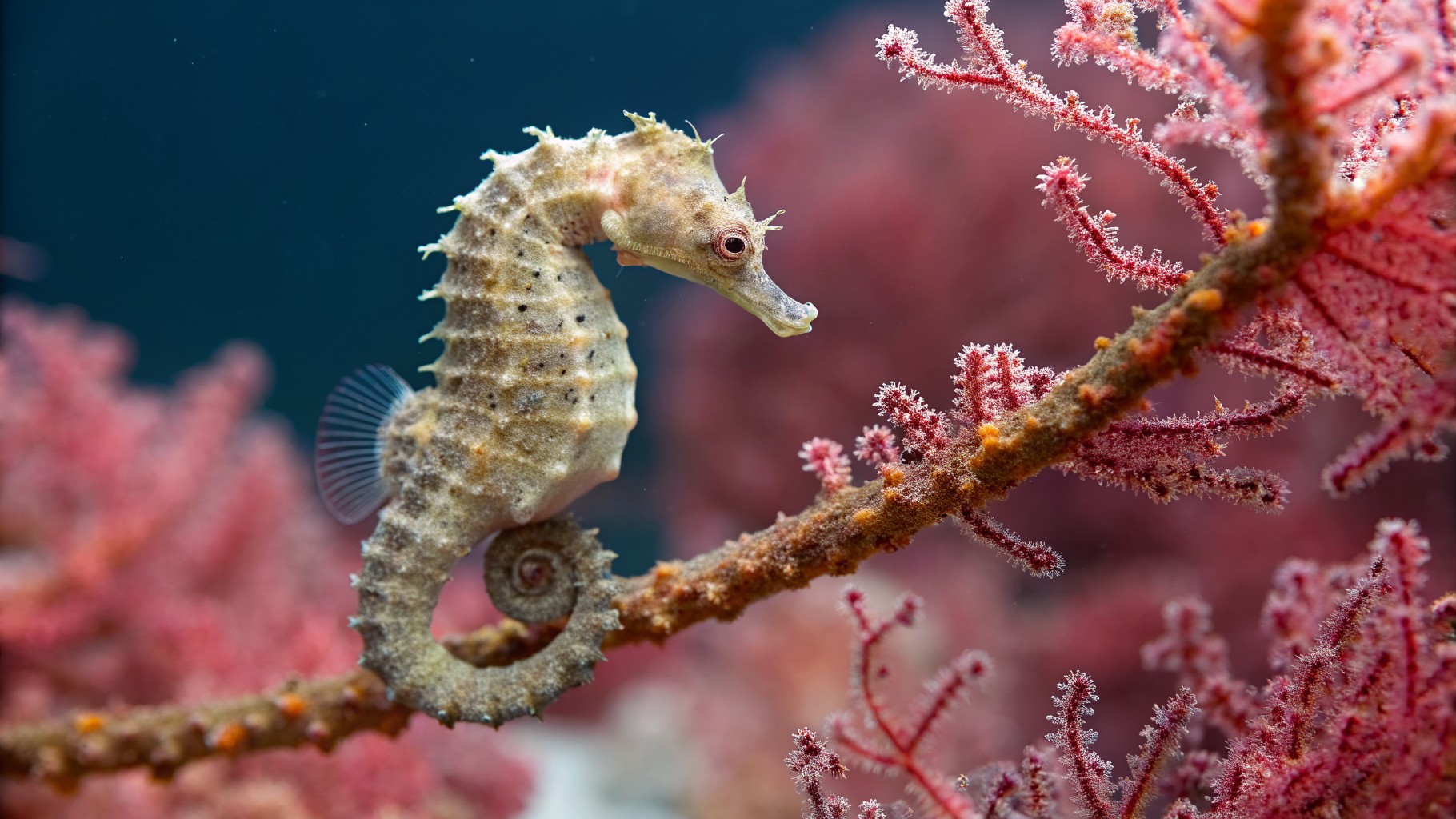
The most underrated benefit of a boutique boat is the guiding relationship. Over six to eleven nights, a guide leading the same small group learns your buoyancy, your gas consumption, your camera habits, and what you actually want to see. That knowledge compounds. By day three they are pointing out the pygmy seahorse you would have swum past, holding you on a ridge exactly long enough for the mantas to arrive, and pacing the dive to your slowest breather so no one gets left thin on air.
North route: Dampier Strait and the Passage
The northern itinerary centres on the Dampier Strait between Waigeo and Batanta, home to Cape Kri, Blue Magic, Sardine Reef, and Manta Sandy. It is the classic first-timer route — high-energy, pelagic-rich, and reliable for manta encounters. On a small boat, the crew can slot in a night dive or a mangrove channel drift when conditions align, extras that are hard to coordinate with a full manifest.
South route: Misool’s soft-coral gardens
Misool, in the south, trades big current for colour. Its walls and pinnacles — Boo, Fiabacet, Nampale — are cloaked in some of the densest soft coral in the world, backed by sea fans and swirling glassfish. Misool rewards slow, deliberate diving and macro attention, which is exactly the tempo a small group can sustain. Because the region sits far from Sorong, most Misool-focused trips run longer, and the intimacy of a capped boat matters more when you are days from port.
When should you book a small-capacity Raja Ampat trip?
The main Raja Ampat liveaboard season runs roughly October to April, when seas are calmest and visibility is at its best. This window is also when the most sought-after boats fill first — and small-capacity vessels, by definition, have the fewest berths to sell. A twelve-guest boat has far fewer seats than a thirty-guest one, so popular departure dates in the December-to-March peak can sell out six to twelve months ahead. If you have your heart set on a specific route or date, booking early is not optional; it is the whole game.
Trip lengths typically run from six to eleven nights, departing from Sorong, which is served by domestic flights via Jakarta, Makassar, or Manado. Shorter charters concentrate on the northern Dampier sites; longer ones link north and south, often including Misool. Every visitor also needs the Raja Ampat marine park entry permit (the PIN card), which funds local conservation and is arranged as part of a properly organised trip.
What does a small-group liveaboard cost?
Boutique capacity carries a premium, because the same fixed cost of running a boat and crew is spread across fewer paying guests. As an indicative guide for 2026, small-group Raja Ampat liveaboards commonly fall in the range of roughly US$3,500 to US$7,500 per person for a 7-to-10-night trip, depending on vessel, cabin category, and season. These figures are indicative only — actual pricing varies with dates, itinerary, and inclusions, and the park permit, gear rental, nitrox, gratuities, and flights to Sorong are usually additional. For an exact, current quote tailored to your dates and group size, it is always best to ask directly.
If you are weighing options, it is worth comparing the boutique format against two alternatives. Travelling with friends? A shared booking can be arranged through our Raja Ampat liveaboard group bookings, which balances cost per person with the intimacy of diving alongside people you know. Want total control over the manifest, route, and dive tempo? A full private charter takes the small-group idea to its logical conclusion — your boat, your divers, your schedule.
How do you choose the right small-group boat?
Look past the photos of sundecks and check the numbers that matter: maximum guest count, guide-to-diver ratio, number of tenders, and whether the itinerary matches the diving you actually want. A boat advertised as “small” but still carrying eighteen guests will not deliver the single-wave entries that make Raja Ampat’s current-swept sites shine. Confirm the route — north for pelagic action and mantas, south for Misool’s soft coral, or a combined crossing if you have the nights for it. Check that nitrox is available, that the crew includes experienced local dive guides who read these waters daily, and that the park permit is handled for you.
Matching diver to boat is where an experienced operator earns its keep. Rather than sorting through dozens of vessels alone, you can compare curated liveaboard packages built around capacity, route, and season, and we will steer you to the boats that genuinely cap their guest numbers rather than just marketing the idea.
Plan your intimate Raja Ampat expedition
A boutique liveaboard is not about luxury for its own sake — it is about being in the right place, at the right tide, with the right guide, and no one crowding the reef when the mantas arrive. If that is the trip you want, the earlier you plan, the better your pick of boats and dates.
We arrange small-group and private Raja Ampat liveaboards end-to-end, from Sorong logistics and park permits to matching you with a vessel that truly caps its guest list. As part of Juara Holding Group — operating from Bali across Indonesia since 2015 — we handle the details so you can focus on the diving. To check availability and get an indicative quote for your dates, message us on WhatsApp at +62 811-3823-875 or email [email protected] and tell us your ideal route, dates, and group size.