In this article
The short answer to north vs south Raja Ampat liveaboard routes is this: the north — Dampier Strait and Wayag — delivers reef-dense, current-fed diving with the region’s most famous fish counts and manta cleaning stations, while the south — centered on Misool — trades some of that current intensity for soft-coral walls, longer wilderness passages, and a slower, more remote feel. Most itineraries out of Sorong lean toward one side or the other, and knowing which fits your diving style, dates and budget is the real decision before you book.
North vs South Raja Ampat Liveaboard Routes: What’s the Real Difference?
Every Raja Ampat liveaboard operates out of Sorong (or nearby Waisai), and from there the fleet essentially splits into two working areas. The north route stays close to Dampier Strait and pushes up to Wayag’s limestone lagoons; the south route sails down toward Misool and the Four Kings area, often via an overnight or multi-day crossing. When you line the north vs south Raja Ampat liveaboard routes up side by side, the difference isn’t really “better or worse” — it’s current strength, sailing distance, and the character of the reef itself. Divers chasing big pelagic action and record biodiversity usually gravitate north first; divers who want soft-coral photography and fewer boats on a site often prefer the south, or a combined itinerary that does both.
The North Route: Dampier Strait and Wayag
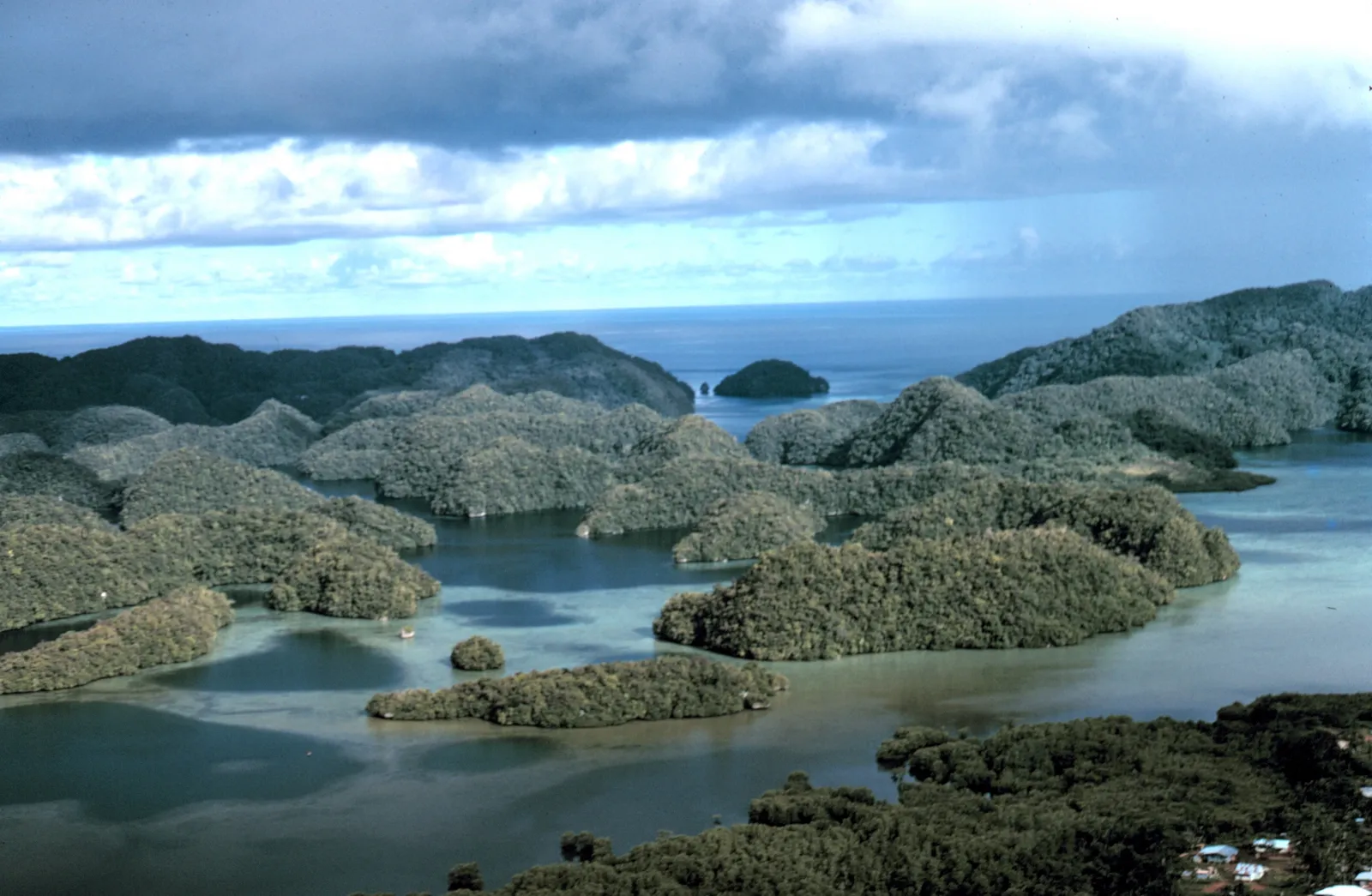
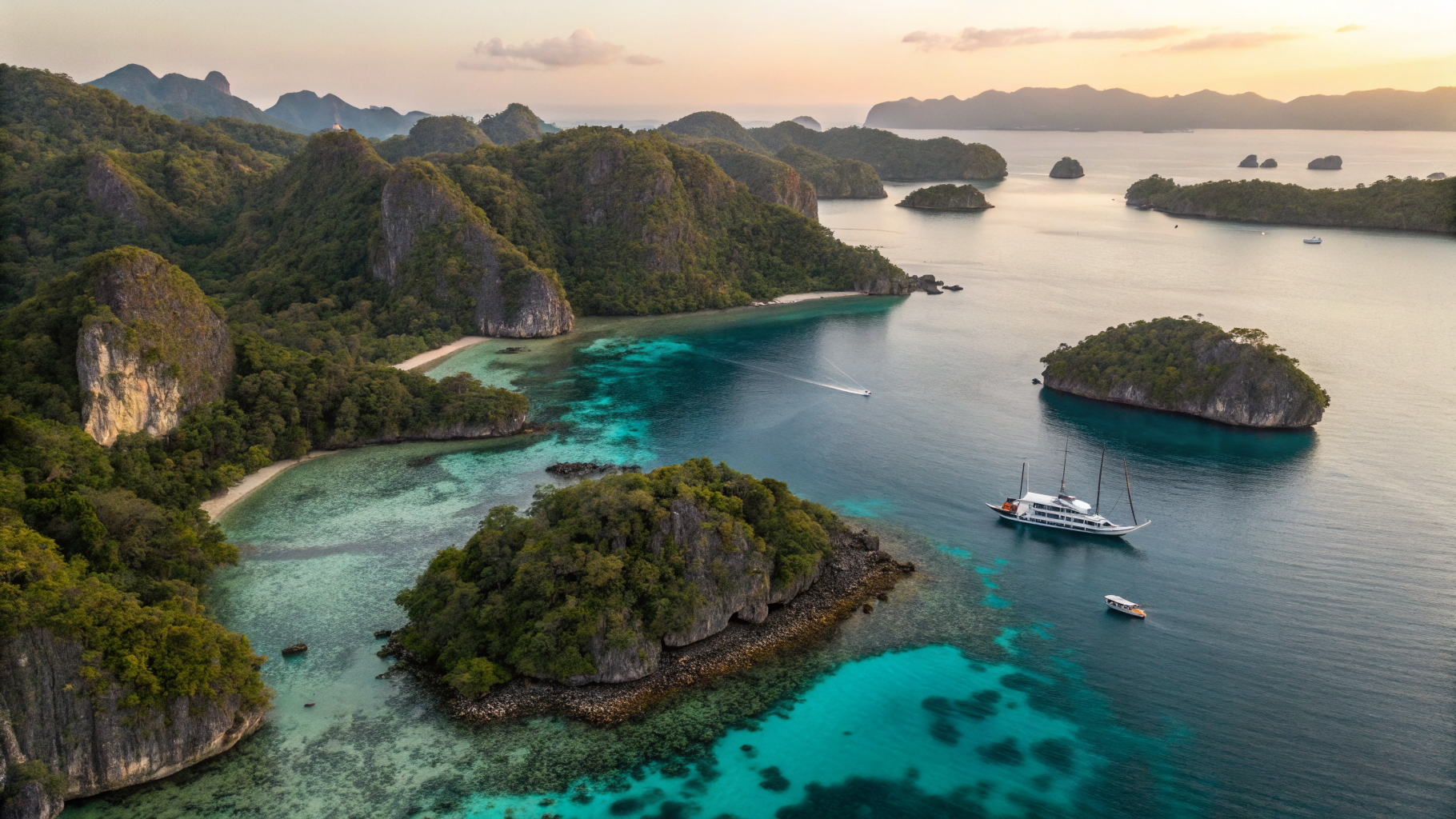
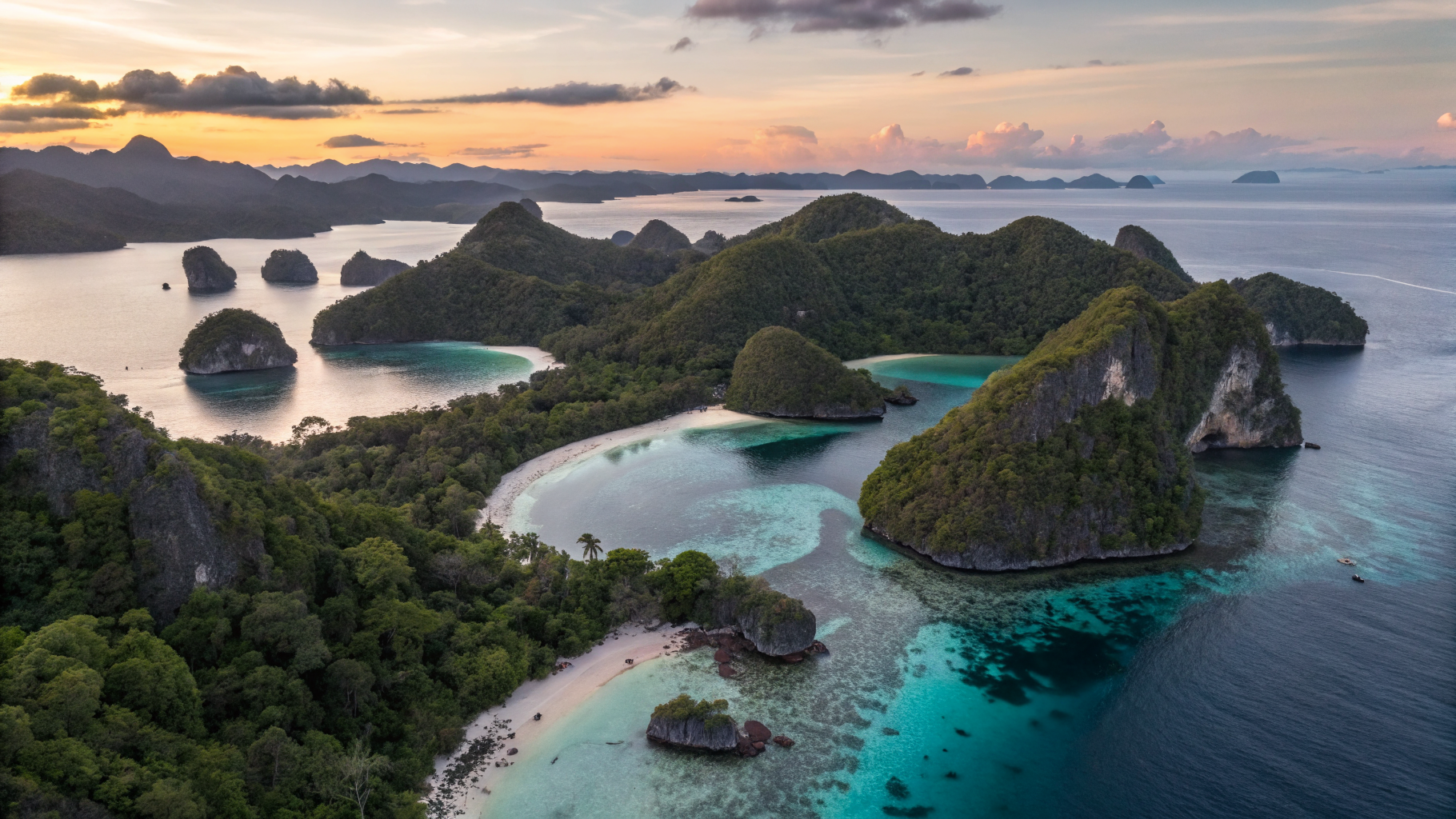
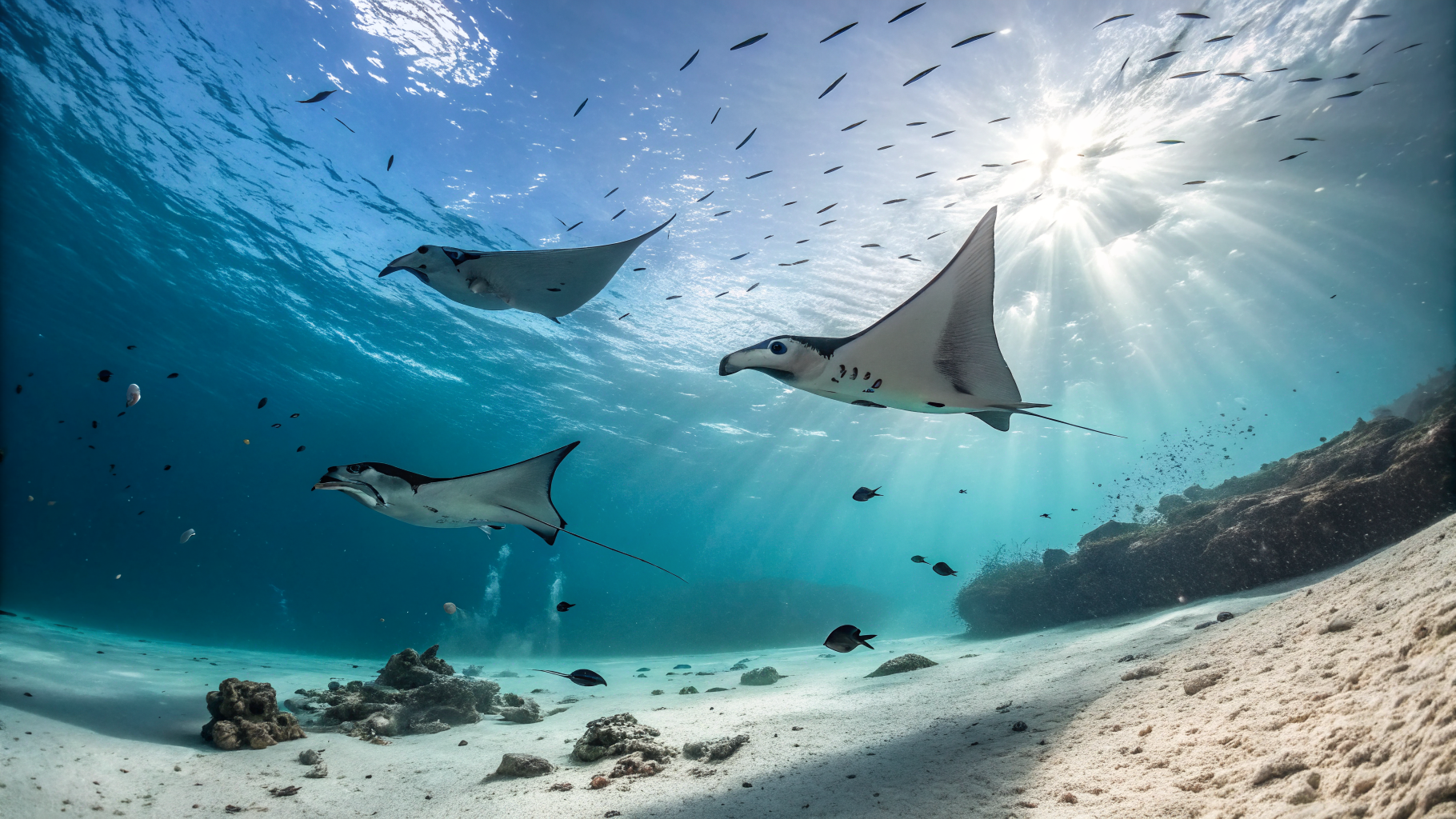
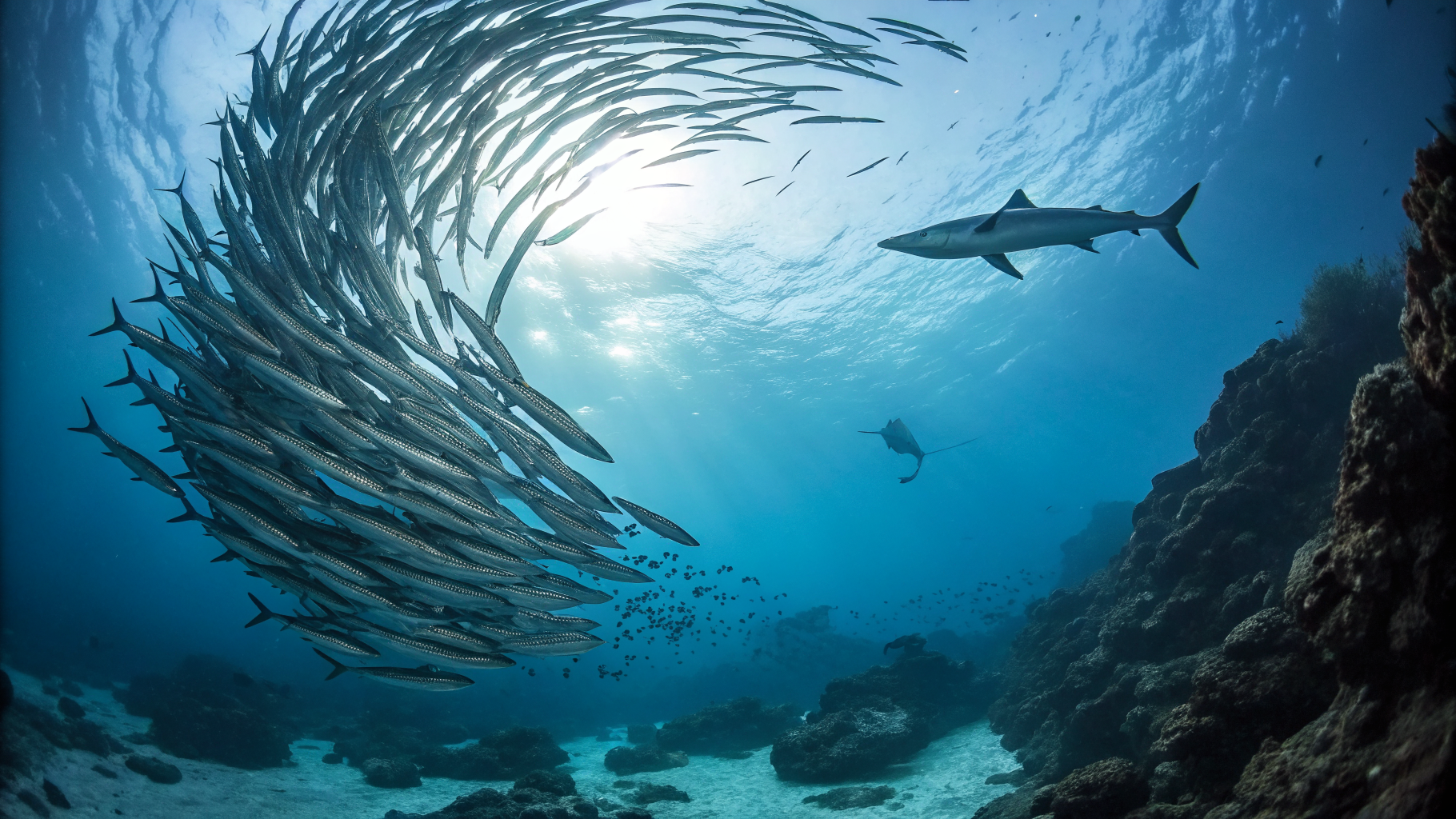
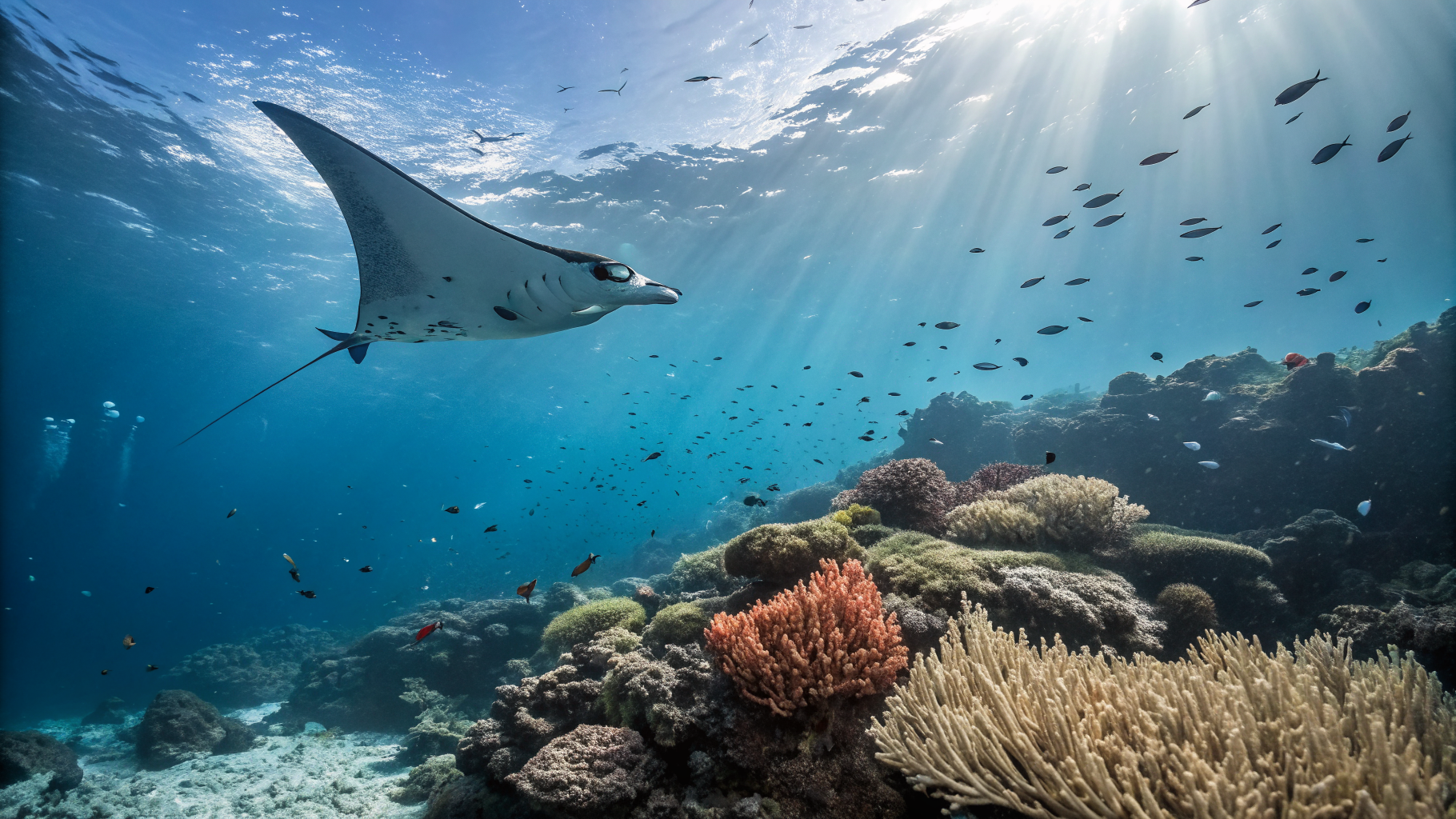
Dampier Strait is the workhorse of Raja Ampat diving and the reason the region became famous. Cape Kri is the site most divers have heard of before they even arrive — a sloping reef famous for one of the highest single-dive fish counts ever recorded anywhere in the world, and it still delivers dense schooling action on almost every dive. A short boat ride away, Blue Magic is a seamount cleaning station where oceanic manta rays circle divers holding onto the reef in moderate-to-strong current, alongside schooling barracuda, trevally and the occasional passing shark. Further north, Wayag’s karst islands and turquoise lagoons add a topside-and-snorkel dimension that Dampier Strait alone doesn’t offer, though reaching it usually adds extra sailing days to an itinerary.
Current here runs moderate to strong depending on tide, which is exactly why the marine life is so concentrated — but it also means the north route generally suits divers who are comfortable with drift diving and negative entries. Trip length for north-focused itineraries typically runs 6 to 8 nights out of Sorong, which is why it’s the easier entry point for first-time Raja Ampat divers on a tighter schedule. If this sounds like your priority, our North Route liveaboard package is built specifically around Dampier Strait and Wayag.
The South Route: Misool and the Soft-Coral Frontier
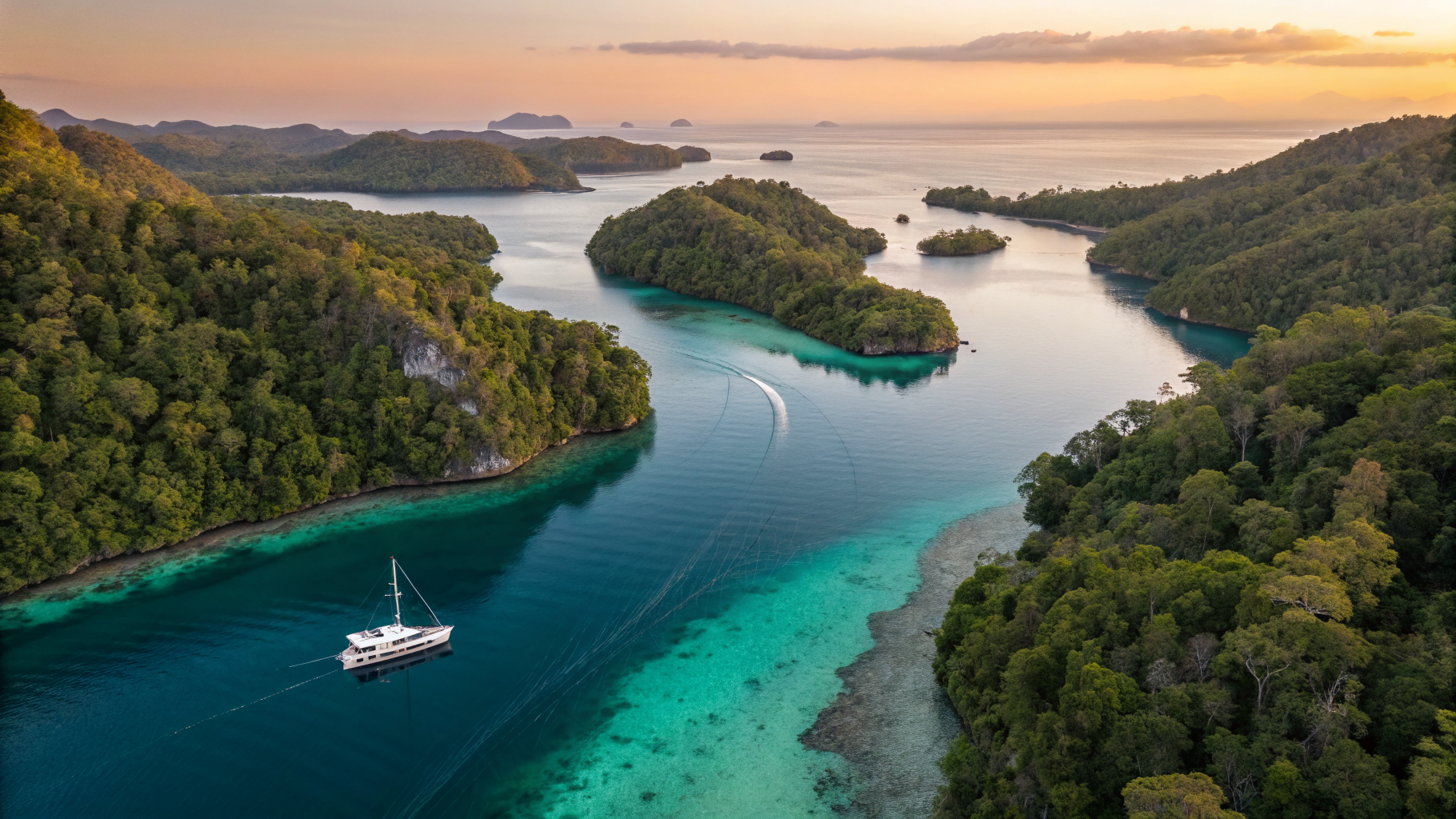
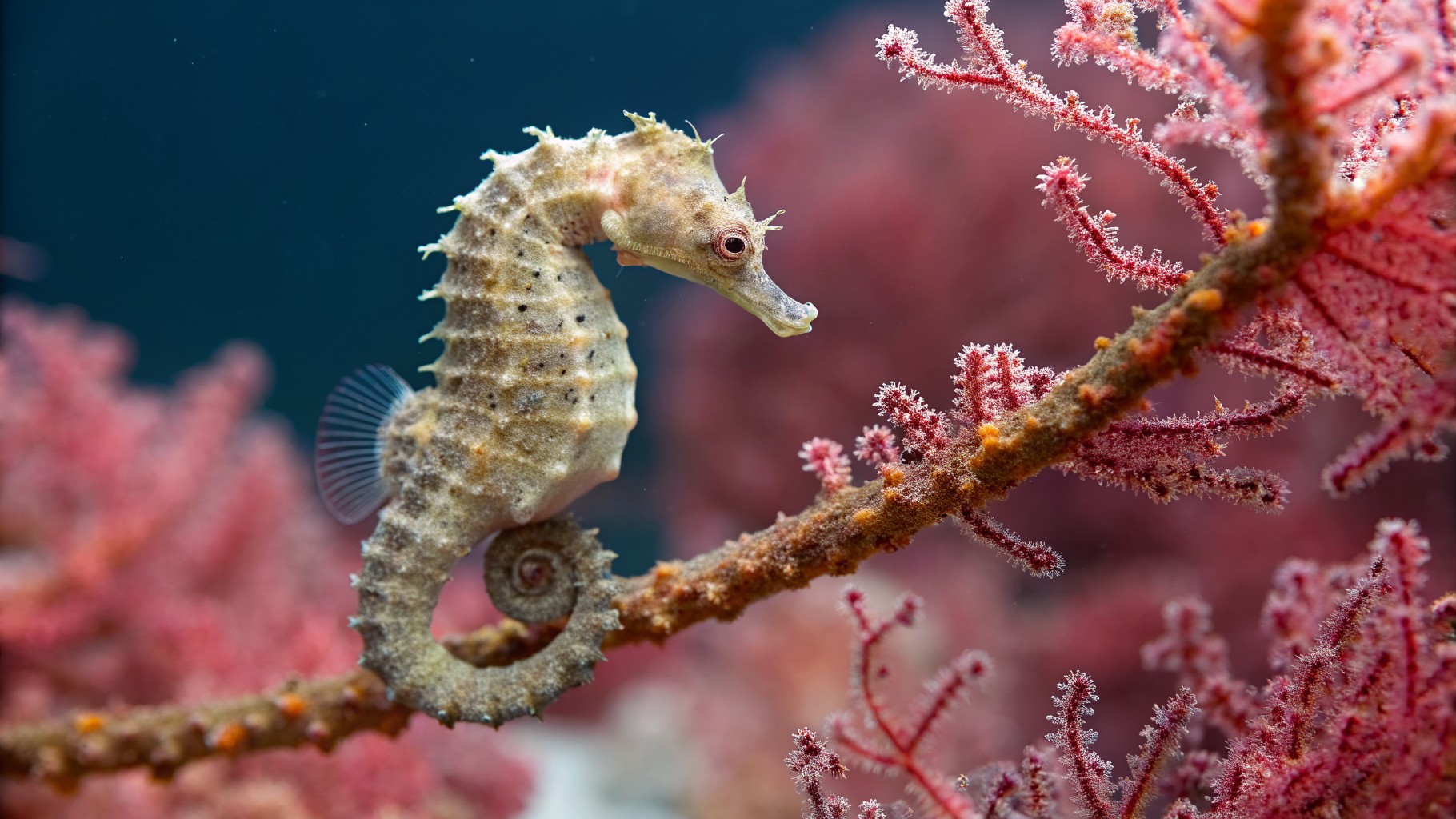
Misool sits far enough south that reaching it from Sorong usually means a longer transit — often an overnight sail or a full day of steaming, sometimes broken up with stops at central sites along the way. What you get in exchange is some of the most photographed soft coral in Indonesia: walls and bommies at sites like Boo Windows and Magic Mountain draped in reds, purples and oranges, plus swim-throughs, caves and the Four Kings limestone seascape above the waterline. Misool’s marine reserve has also been closed to fishing for years in parts of its no-take zones, and the reef density there reflects it.
Current at Misool can still run strong at exposed sites like Magic Mountain, but many of its signature dives are more forgiving than Dampier Strait’s mid-channel drifts, which makes the south route a common pick for underwater photographers who want time to compose a shot rather than fight a current the whole dive. Because of the extra sailing distance, south-focused and Misool-inclusive itineraries usually run longer — 9 to 11 nights is typical — and the region is generally sailed within the October–April window when conditions in its more open anchorages are calmest. For a route built around this side of Raja Ampat, see our South Route liveaboard package.
Combining Both Routes in One Trip
You don’t have to choose permanently — a meaningful share of the fleet’s longer itineraries (typically 10 to 11 nights) sail a loop that covers both Dampier Strait in the north and Misool in the south, usually timed inside the October–April season when both regions are most reliably diveable. These combination trips cost more simply because they cover more sea miles, but they’re the only way to dive Cape Kri, Blue Magic and Misool’s soft-coral sites on a single liveaboard. If you’re weighing a single-region trip against a full-coverage itinerary, our full range of Raja Ampat liveaboard packages breaks down both options by length and season.
Which Route Matches Your Dive Trip Priorities?
The table below is a practical way to weigh north vs south Raja Ampat liveaboard routes against what actually matters for your trip: how many nights you have, how comfortable you are in current, and what you want your camera pointed at.
| Factor | North Route (Dampier Strait / Wayag) | South Route (Misool) |
|---|---|---|
| Signature dive sites | Cape Kri, Blue Magic, Manta Sandy, Sardine Reef | Boo Windows, Magic Mountain, Four Kings sites |
| Marine life focus | Fish schooling density, oceanic mantas, sharks | Soft coral, macro life, reef fish diversity |
| Typical current strength | Moderate to strong, frequent drift diving | Moderate, with some strong exposed sites |
| Sailing distance from Sorong | Shorter — Dampier Strait is close by boat | Longer — usually an overnight or full-day transit |
| Typical liveaboard length | 6–8 nights for a focused itinerary | 9–11 nights, often combined with the north |
| Best matched diver profile | First-time Raja Ampat divers, current-comfortable divers, wide-angle pelagic shooters | Macro and soft-coral photographers, divers wanting a slower pace, repeat visitors |
| Best sailing season | October–April, with some flexibility outside peak months | October–April, generally the tighter recommended window |
Getting to Raja Ampat: Trip Length, Sailing Time and Permits
Almost every liveaboard begins with a flight into Sorong (Domine Eduard Osok Airport), from where you transfer directly to the boat or overnight before boarding. From there, liveaboard itineraries across Raja Ampat generally run 6 to 11 nights depending on whether you’re doing a single-region trip or a full north-south crossing — the north route trims toward the shorter end, Misool and combination routes toward the longer end. Every diver also needs the Raja Ampat Marine Park entrance permit, commonly referred to on the ground as the PIN, which is a separate fee from your liveaboard package and funds the marine protected area’s ranger patrols and conservation work; expect to arrange or pay for it as part of your booking rather than on arrival.
Raja Ampat as a whole is home to more than 1,500 recorded reef fish species across its roughly four million hectares of marine park — which is exactly why the north-vs-south debate matters less than people assume once you’re actually in the water. Both routes are drawing from the same reef system; they just show you a different slice of it. As of 2026, package pricing on both routes is indicative and varies by boat class, cabin type, season and group size, so treat any number you see online as a starting point for a quote rather than a fixed rate.
Ready to Choose Your Route?
If you’re still torn between the north and south routes, the fastest way to decide is to talk through your dates, diving experience and photography goals with someone who books both sides of Raja Ampat regularly. As part of Juara Holding Group — operating from Bali across Indonesia since 2015 — our team can match you to the right boat, route and season rather than just the first itinerary with availability. Message us on WhatsApp at +62 811-3823-875 or email [email protected] and we’ll help you build the Raja Ampat liveaboard itinerary that actually fits your trip.