In this article
- What is included versus what you pay for onboard?
- How much should you tip the crew on a Raja Ampat liveaboard?
- Nitrox, rental gear, and dive add-ons
- What about the marine park permit and other extras?
- Raja Ampat liveaboard tipping and onboard costs: a sample budget
- How do you avoid surprises at the final settlement?
- Plan your trip with clear, all-in numbers
Beyond the headline fare, your real Raja Ampat liveaboard tipping and onboard costs can add several hundred dollars to a trip — crew gratuities, nitrox fills, gear rental, the marine park permit, and small extras like drinks or wifi are rarely bundled into the price you paid at booking. Setting money aside for these before you board keeps the final settlement painless and the crew fairly rewarded. Here is an honest, practical breakdown of what to budget, valid as a general guide as of 2026.
What is included versus what you pay for onboard?
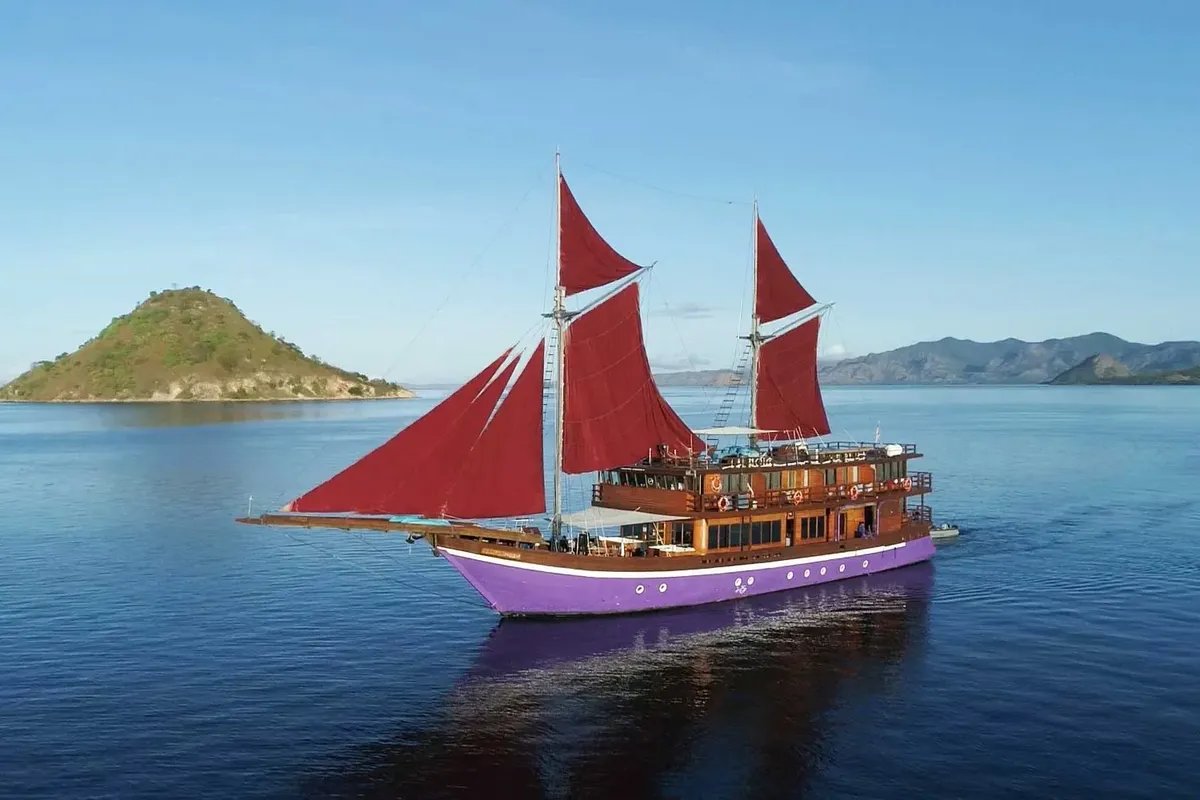
Most reputable Raja Ampat liveaboards run 6 to 11 nights out of Sorong, and the quoted fare typically covers your cabin, all meals, tanks, weights, guiding, and the tender dives themselves. That is the “cruise-inclusive” part. What is almost never inside the fare are the discretionary and government-imposed extras that get settled at the end of the trip.
Understanding this split matters because two boats can advertise a similar nightly rate yet leave you with very different final bills. A cheaper cruise that charges separately for nitrox, gear, and every soft drink can end up costing more than a slightly higher fare that bundles them. Always ask for the exclusions list in writing before you commit — a transparent operator will hand it over without hesitation.
How much should you tip the crew on a Raja Ampat liveaboard?
Tipping is customary on Indonesian liveaboards, and crews genuinely rely on it. A Raja Ampat boat carries a large team you rarely see in full — dive guides, tender drivers, engineers, chefs, stewards, and deckhands — often 15 to 25 people supporting a dozen guests around the clock in a remote archipelago with no shops or resupply for days.
The widely accepted custom is 5 to 10 percent of your cruise fare, or a per-day figure in the region of USD 15 to 25 per guest per day, whichever framing you prefer. On a premium 10-night trip that can mean USD 150 to 250 or more per person. These are norms, not rules: adjust up for exceptional service and safety, down if the experience fell short. Tips are almost always pooled and shared across the whole crew, so a single envelope handed to the cruise director at the end is the standard method. Bring clean cash — Indonesian Rupiah, US dollars, or Euros are all usually accepted, but there are no ATMs at sea.
Nitrox, rental gear, and dive add-ons
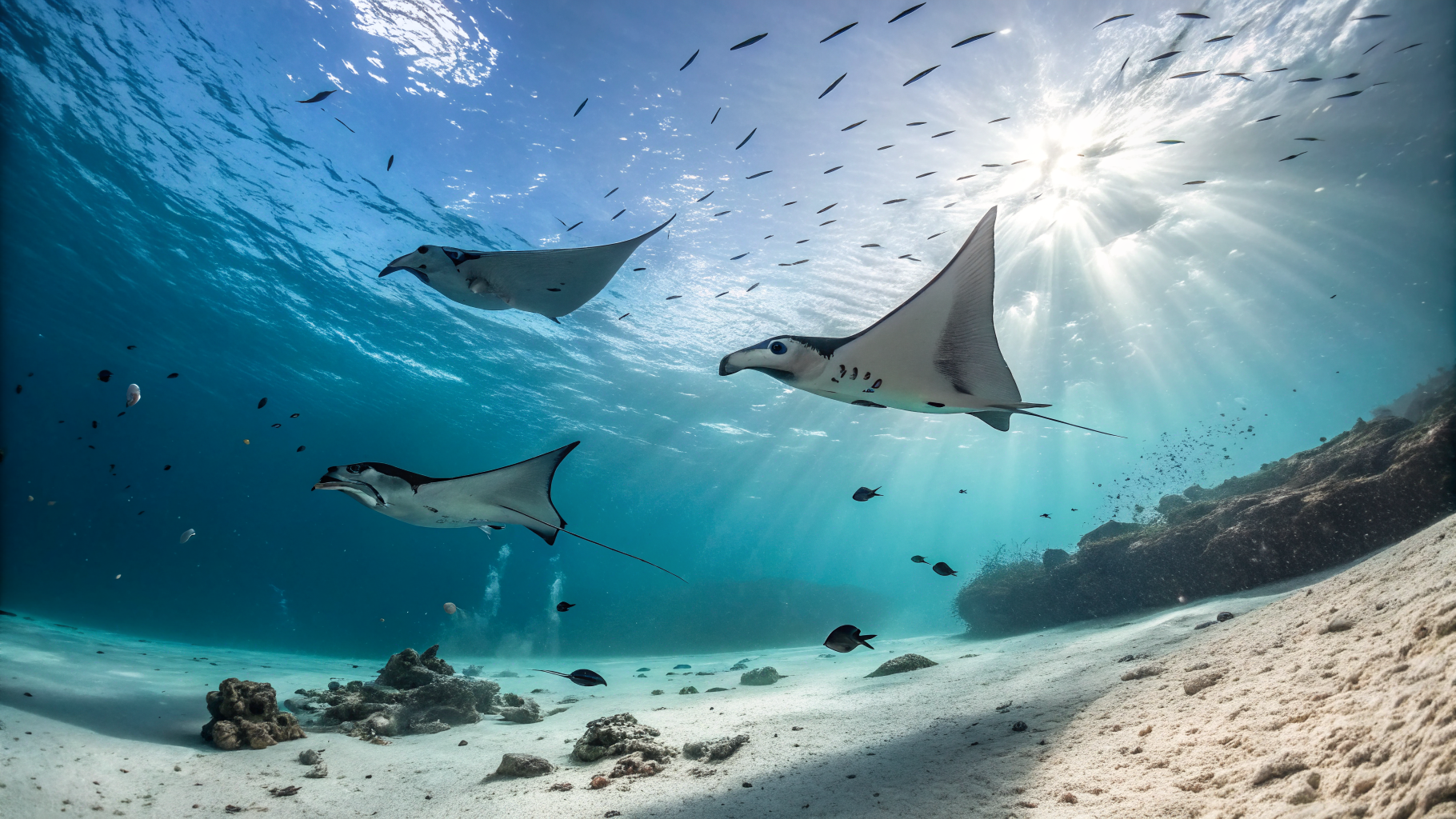
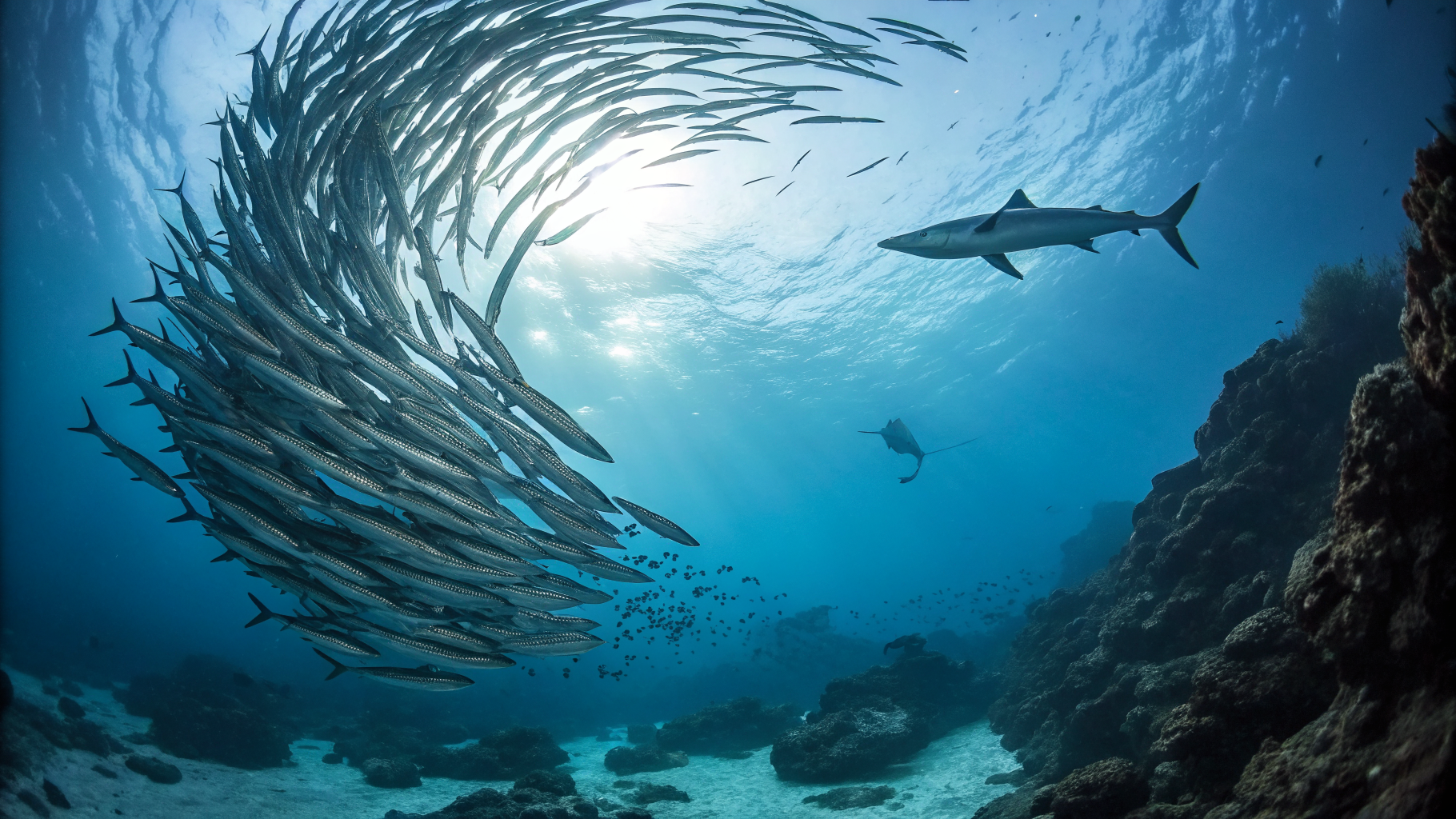
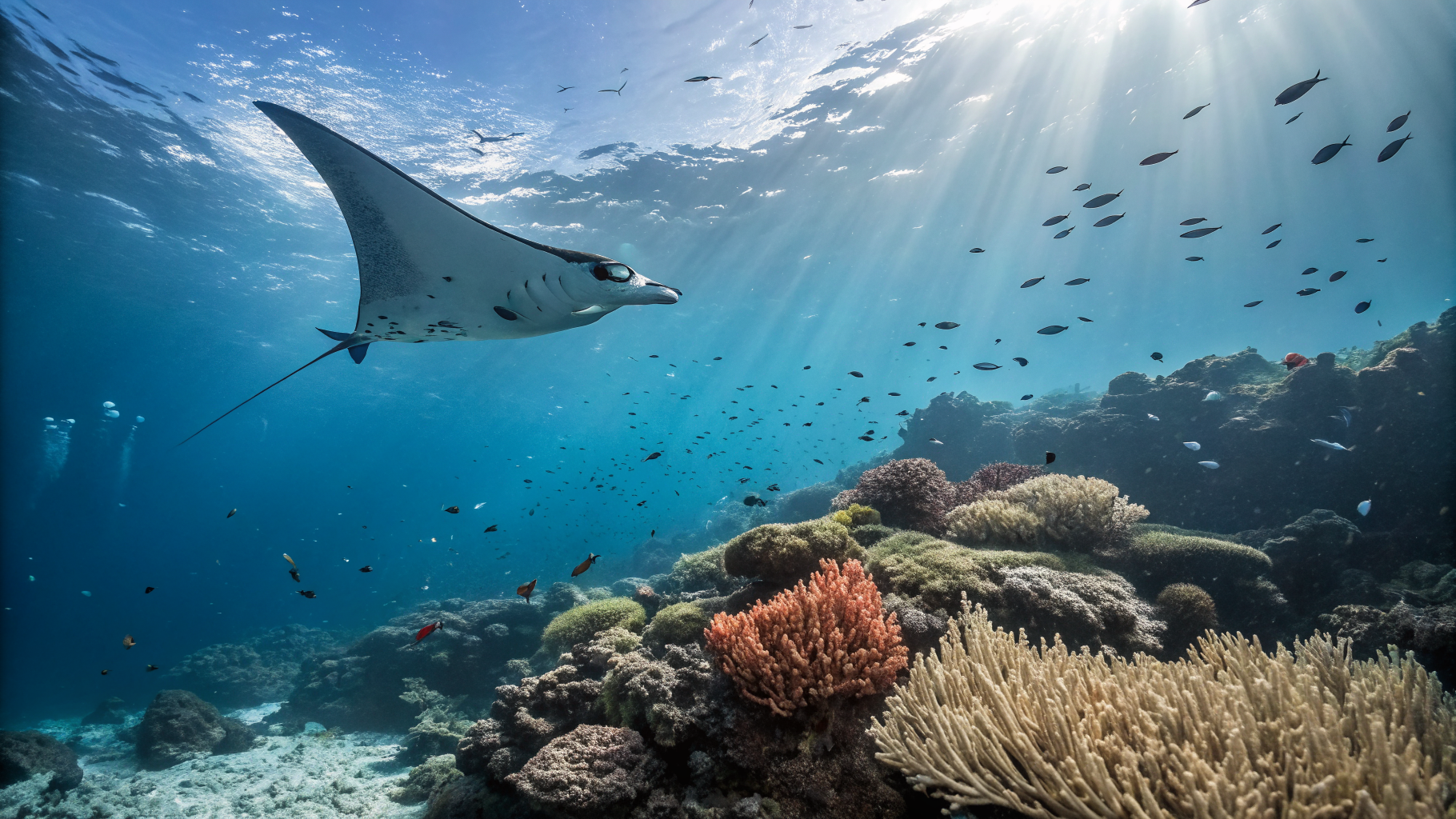
Raja Ampat’s diving rewards long bottom times. Sites in the Dampier Strait such as Cape Kri — which holds a record for fish species counted on a single dive — and Blue Magic, famous for oceanic manta encounters, are dived repeatedly across a trip, and the far-south soft-coral gardens of Misool invite slow, patient exploration. That makes nitrox one of the most worthwhile add-ons: it extends no-decompression limits across three to four dives a day. Expect it charged either as a whole-trip supplement or an unlimited package, commonly in the USD 100 to 200 range for a week-plus itinerary.
If you are not travelling with your own kit, full equipment rental — BCD, regulator, wetsuit, computer, fins, mask — is billed per day and adds up quickly over a long cruise. Individual items like a dive computer, torch, or reef hook are often rented separately too. In Raja Ampat a reef hook and a torch are more than luxuries: currents here run moderate to strong, and hooking into a rubble patch to watch mantas glide overhead is standard technique. Confirm what the boat provides free of charge, because some include a torch and hook while others charge for both.
What about the marine park permit and other extras?
The Raja Ampat marine park entry tag — locally handled through a registered permit often referred to by its PIN — is a government conservation fee, not an operator charge. It funds ranger patrols and community programmes across a reef system home to more than 1,500 fish species. As an indicative figure for 2026 it sits around IDR 1,000,000 per foreign visitor, valid for a set period, but rates and rules change, so treat this as a planning estimate and verify the current amount before departure. Some liveaboards pre-arrange and bundle it; others add it to your onboard tab. Ask which applies to you.
Then there are the small comforts that quietly accumulate:
- Beverages: water, tea, and coffee are usually free, but beer, wine, spirits, and canned soft drinks are typically charged per consumption.
- Connectivity: satellite or Starlink wifi, where offered, may be a paid package given how remote the cruising grounds are.
- Onboard services: massage, spa treatments, and laundry on larger phinisi are extras.
- Certification and specialty courses: if you want to log a nitrox or deep specialty during the trip, the course fee is separate.
- Souvenirs and village visits: small cash for local handicrafts or a homestay stop.
- Camera gear rental or charging setups on photography-focused boats.
Raja Ampat liveaboard tipping and onboard costs: a sample budget
To make the Raja Ampat liveaboard tipping and onboard costs concrete, here is an indicative per-person picture for a typical 8 to 10 night cruise. All figures are rough 2026 estimates for planning only and vary widely by boat, season, and service level — they are not quotes.
| Onboard item | Typical basis | Indicative range (2026) |
|---|---|---|
| Crew gratuity | 5–10% of fare, or per-day | USD 120–250 |
| Nitrox | Whole-trip package | USD 100–200 |
| Full gear rental | Per day | USD 150–350 |
| Marine park permit (PIN) | Government fee, per person | ~IDR 1,000,000 |
| Drinks & extras | Per consumption | USD 50–150+ |
Set aside roughly USD 400 to 800 per person in spending money on top of the cruise fare and international flights, and you will rarely be caught short. Divers who own their gear and skip alcohol land at the lower end; those renting a full kit and diving nitrox reach the upper end.
How do you avoid surprises at the final settlement?
The single best habit is to request a full exclusions and price list before booking, then confirm the settlement currency and payment method for onboard extras — many remote boats are cash-only for the final tab. Because Raja Ampat’s prime diving window runs roughly October to April, boats book out well ahead, and locking in early also gives you time to clarify every line item. For a fuller cost picture, see our Raja Ampat liveaboard cost guide and current pricing, both of which spell out what our packages do and do not include so there are no grey areas onboard.
We build itineraries end-to-end so the tipping guidance, permit handling, and add-on options are explained up front, not discovered at checkout. As part of Juara Holding Group — operating from Bali across Indonesia since 2015 — we can arrange the full journey from Sorong transfers to boat selection and brief you honestly on every extra before you pay a deposit.
Plan your trip with clear, all-in numbers
If you would like a transparent, itemised estimate for your dates — cruise fare plus a realistic view of tipping and onboard extras — talk to our team directly. Message us on WhatsApp at +62 811-3823-875 or email [email protected], or head straight to book now to reserve your cabin for the coming season. We will map out the whole budget so the only surprises in Raja Ampat are the mantas.