In this article
- What is the real difference between Raja Ampat liveaboard vs resort diving?
- Which option gives you better dive site access?
- How does cost per dive day compare for Raja Ampat liveaboard vs resort diving?
- What are the comfort and lifestyle trade-offs?
- So which should serious divers choose?
- Plan your Raja Ampat trip with us
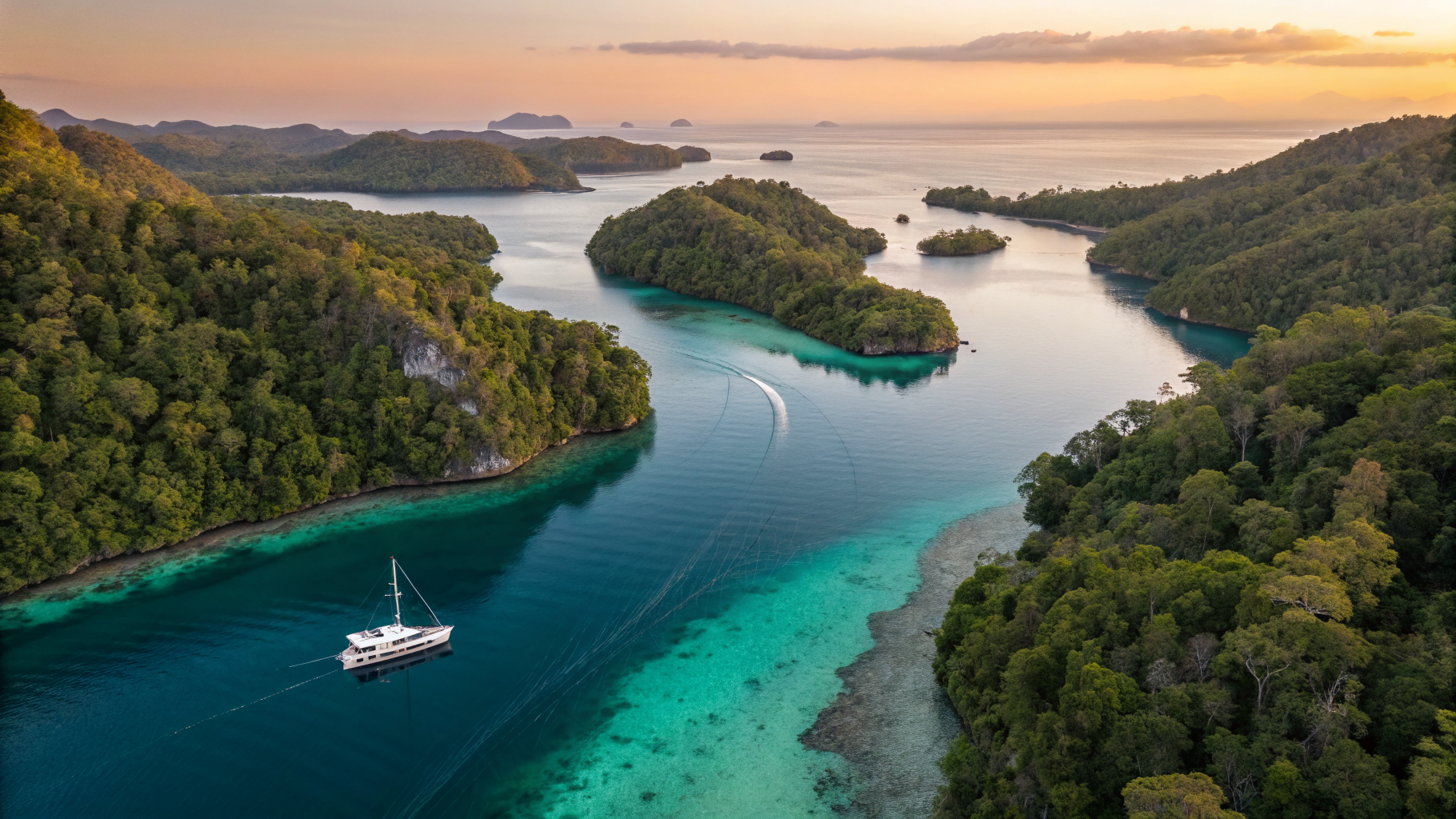
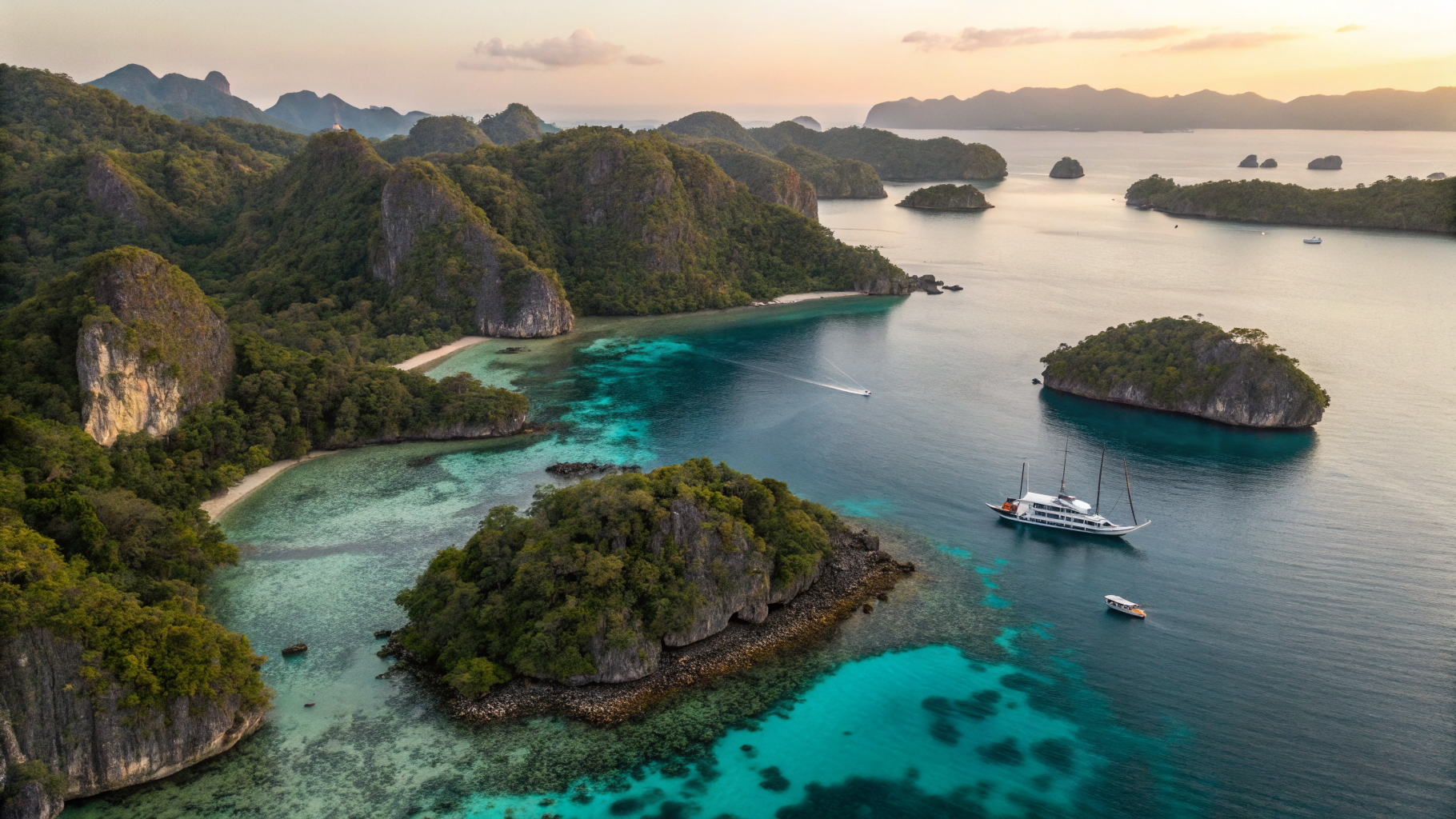
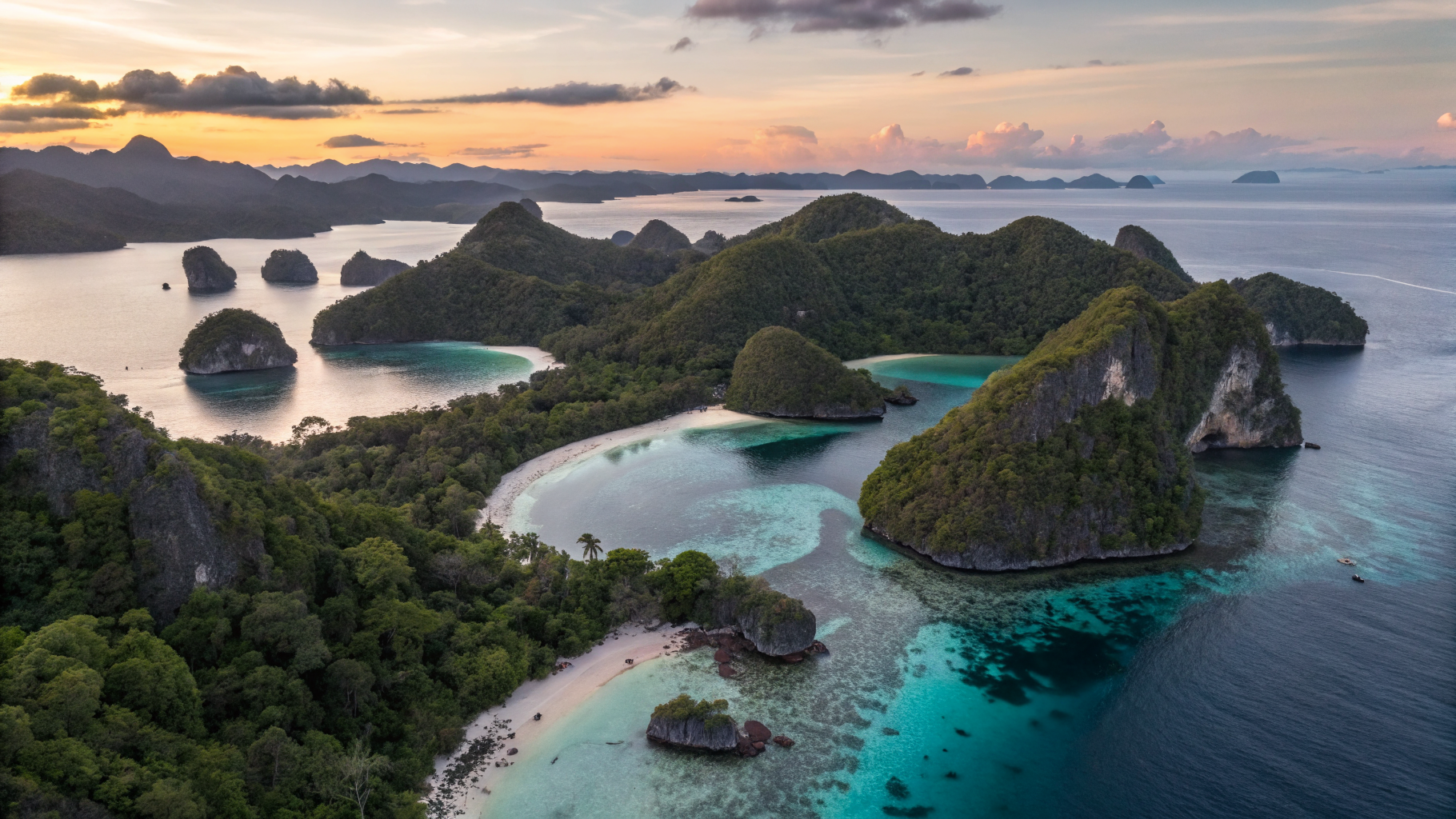
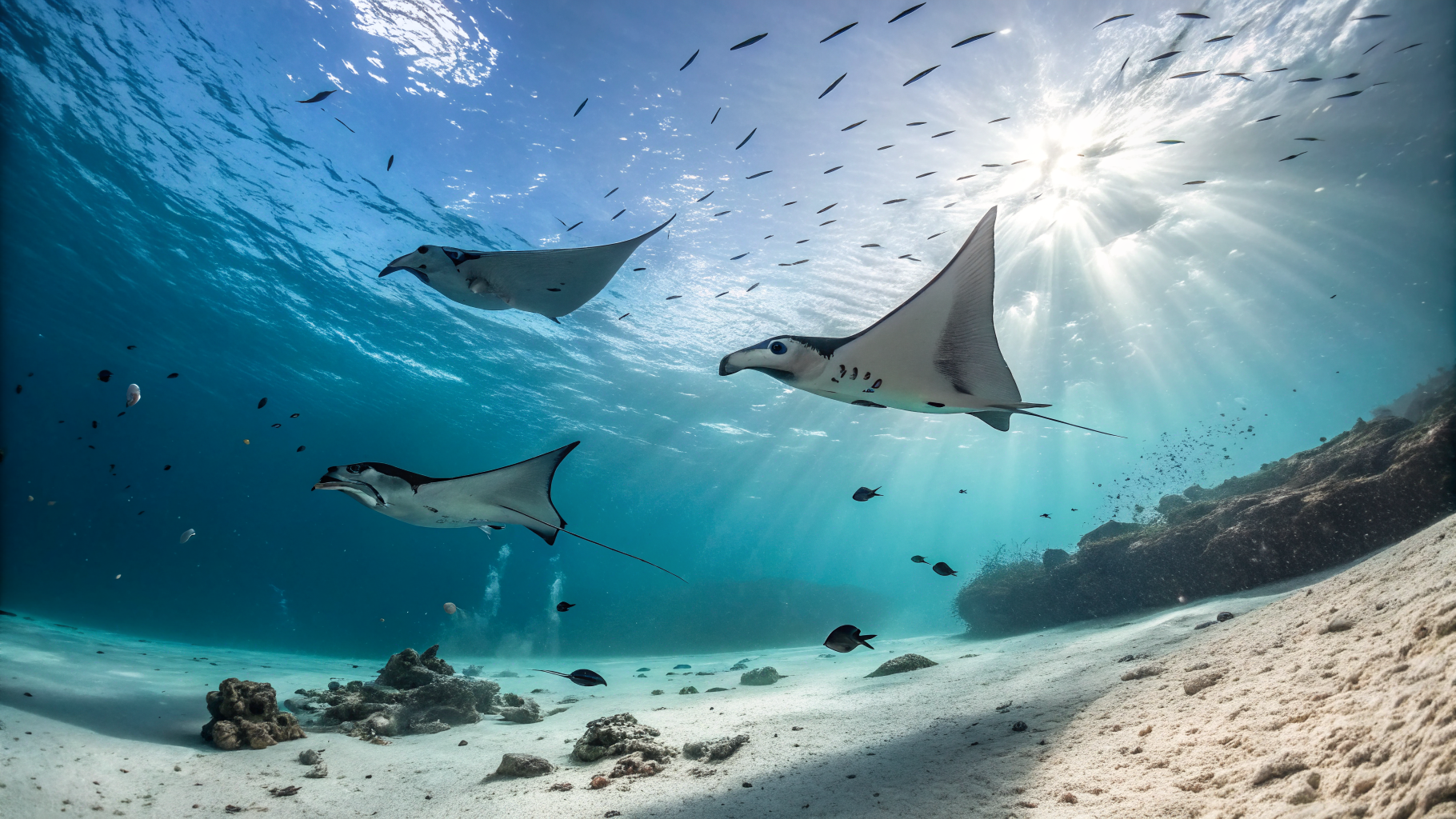
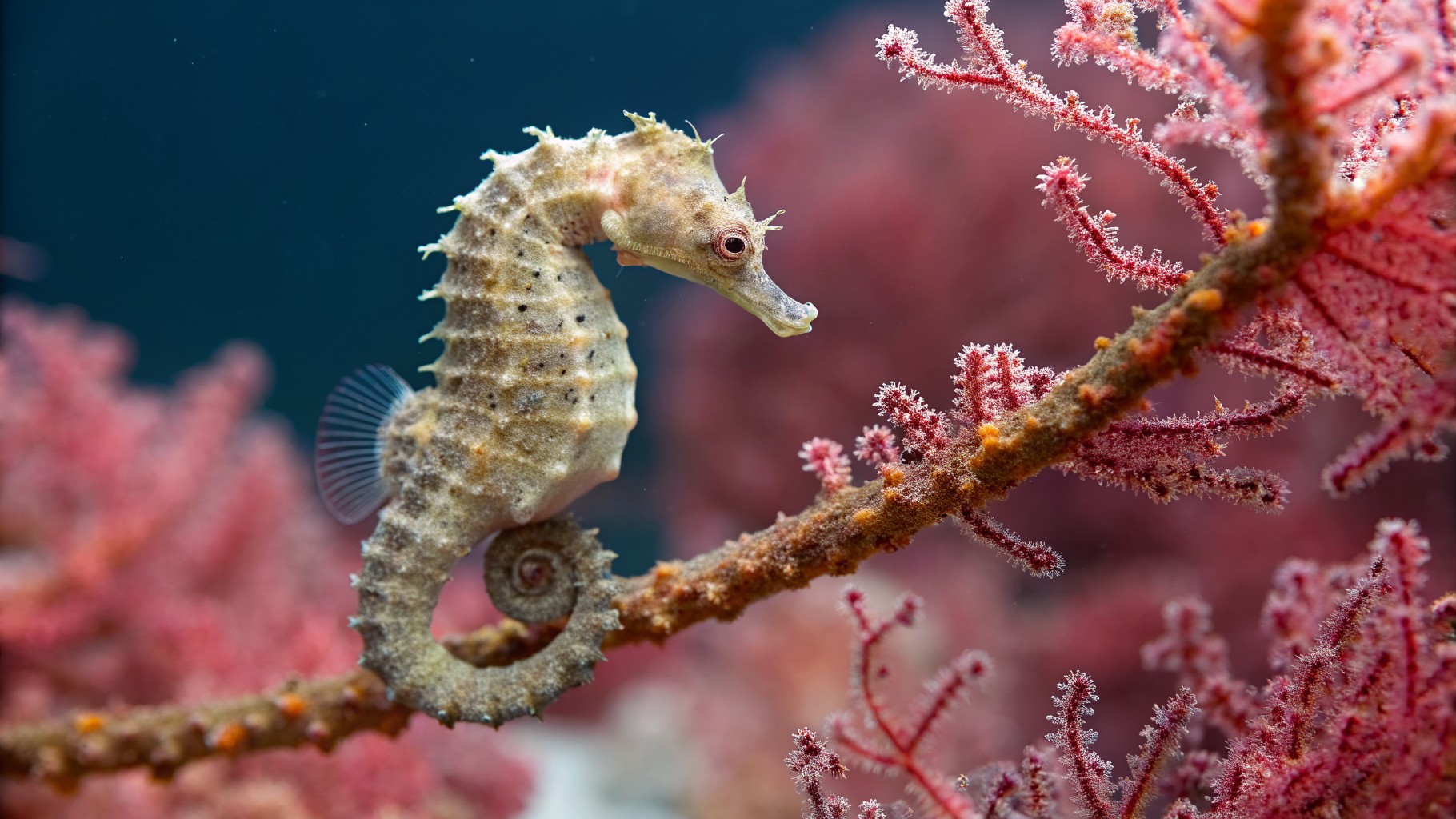

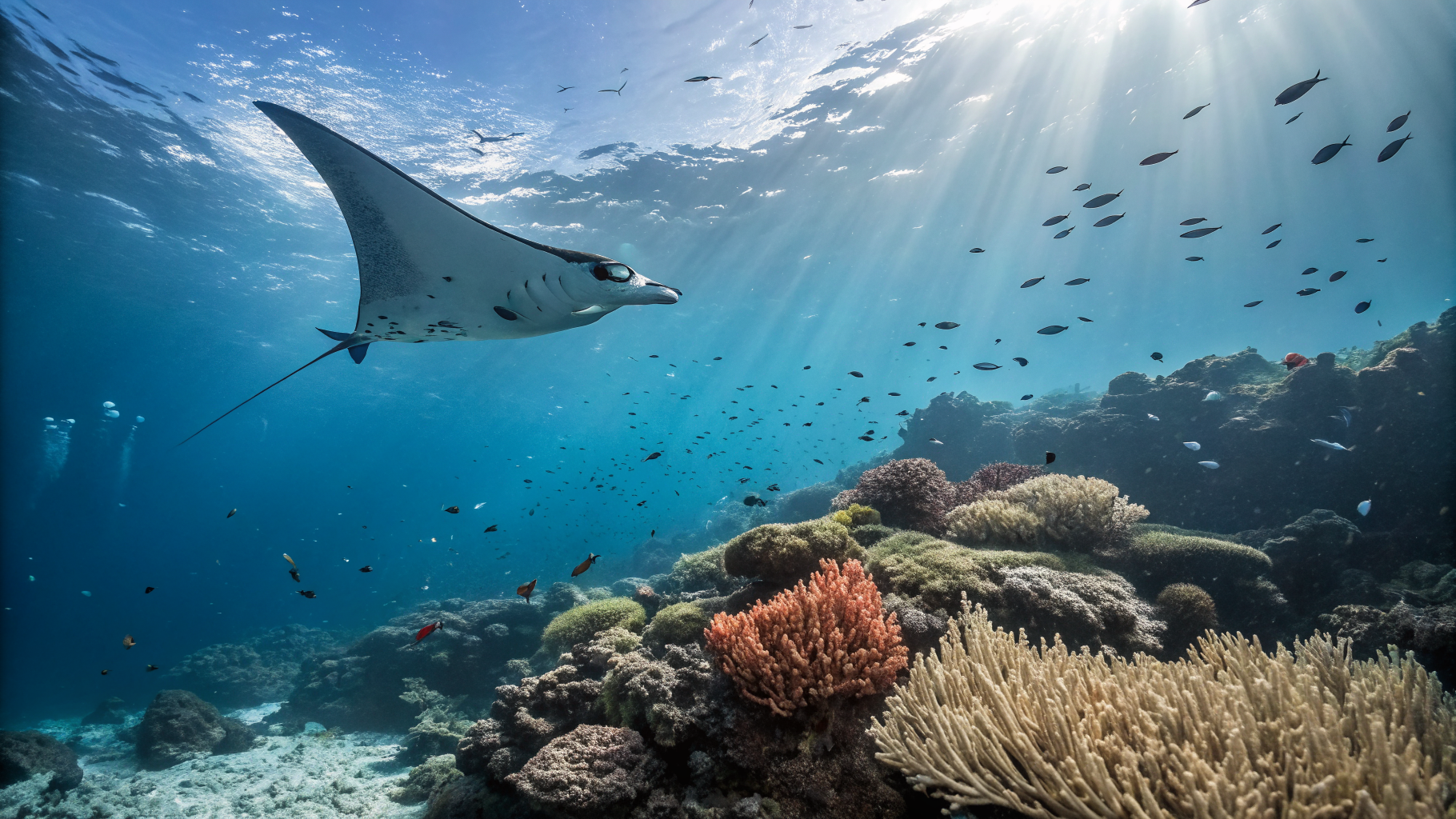
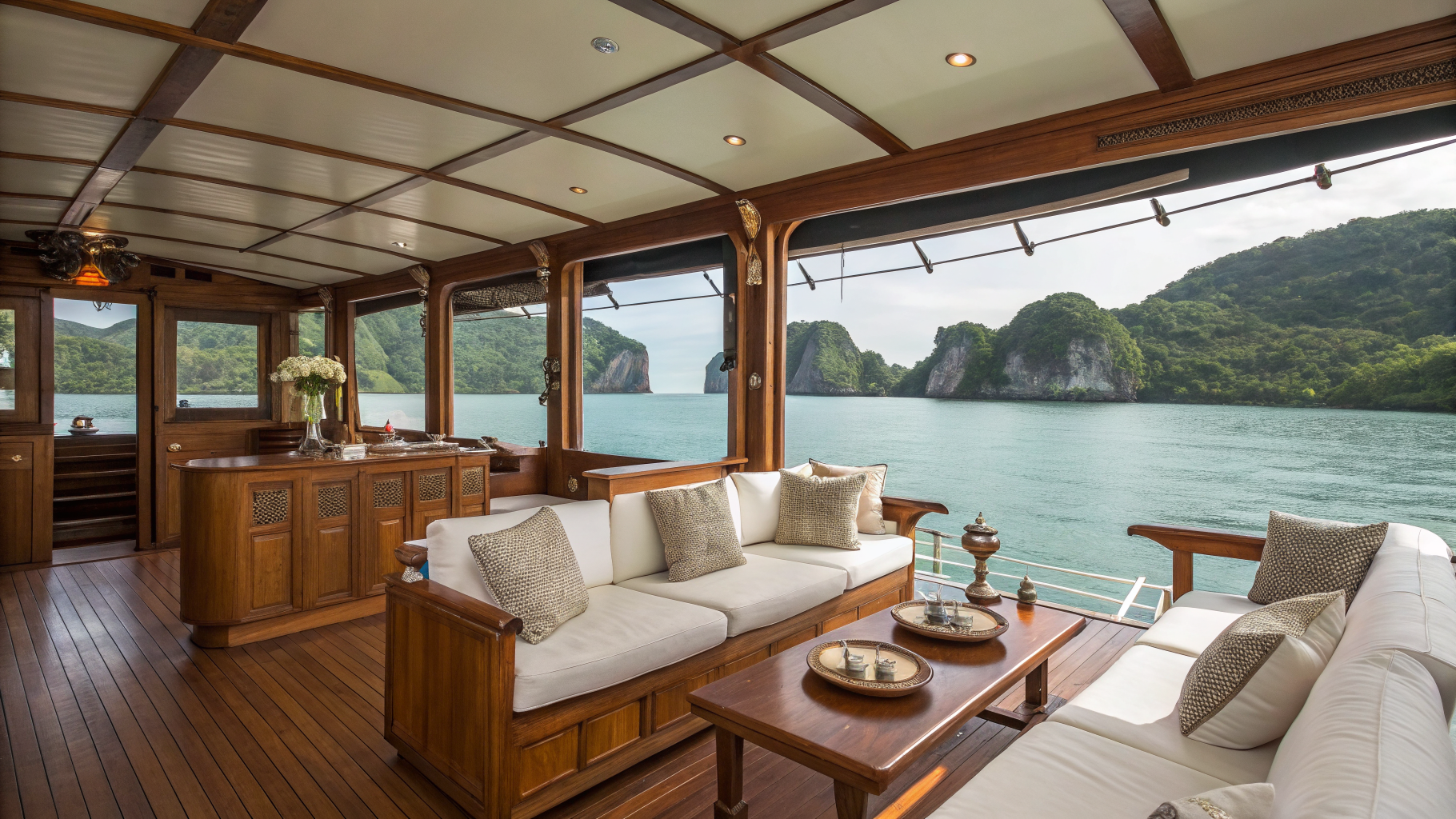
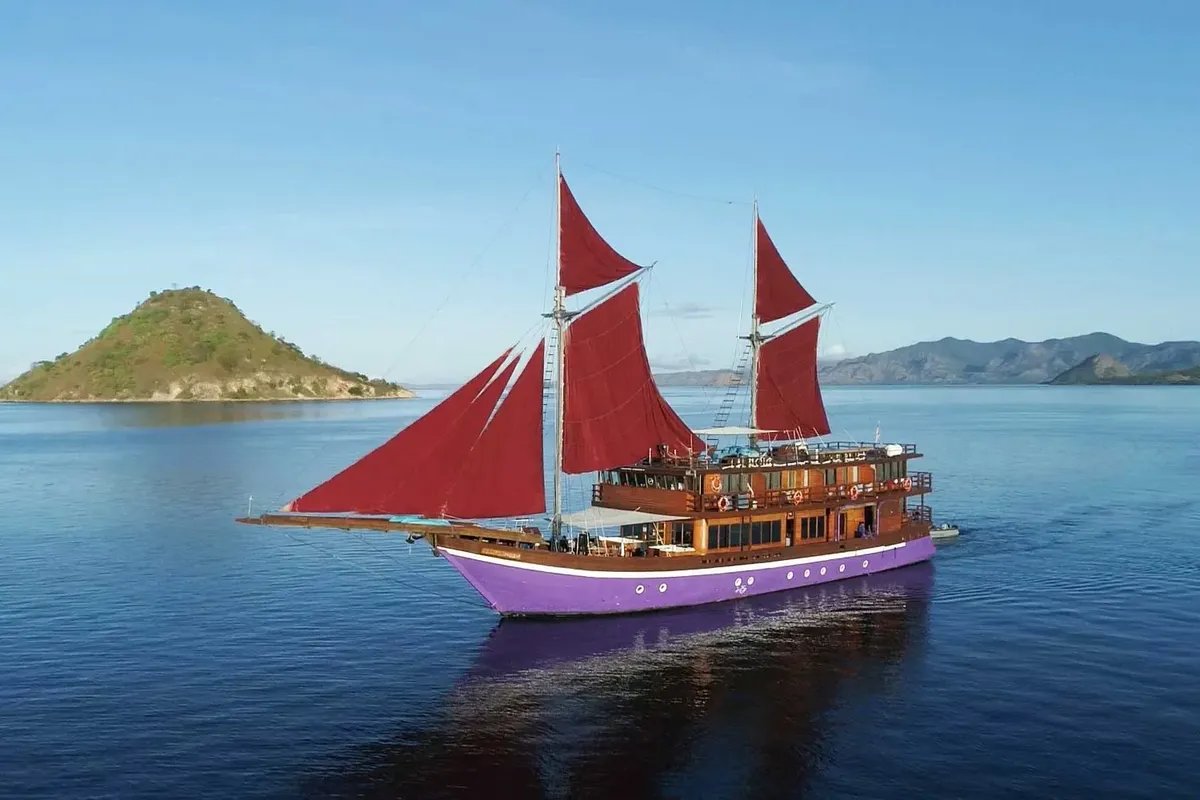
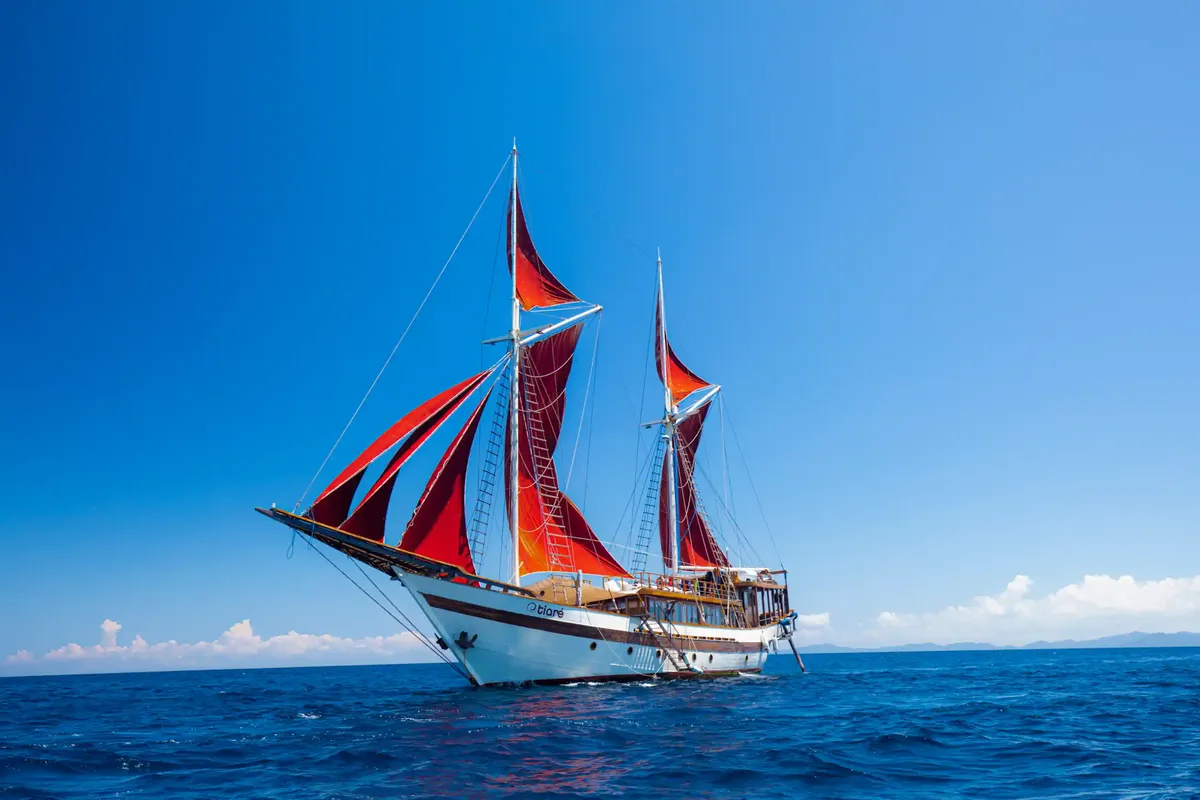
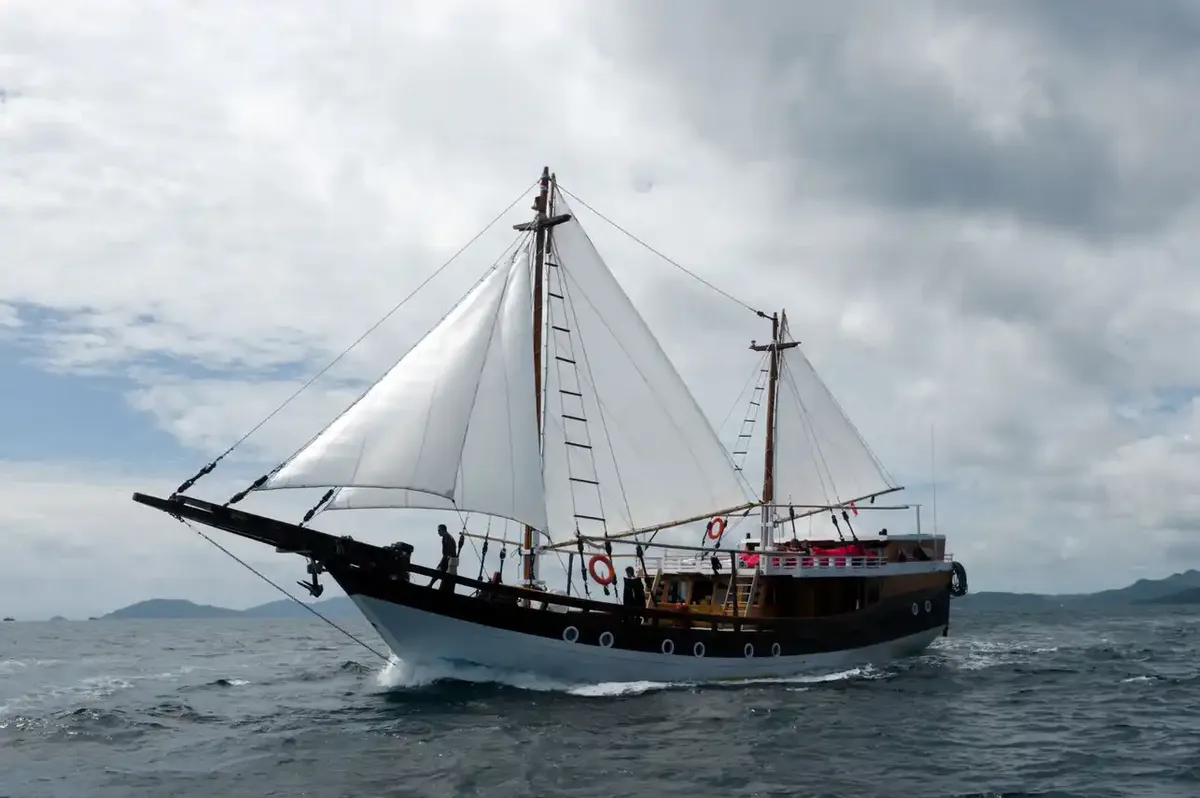
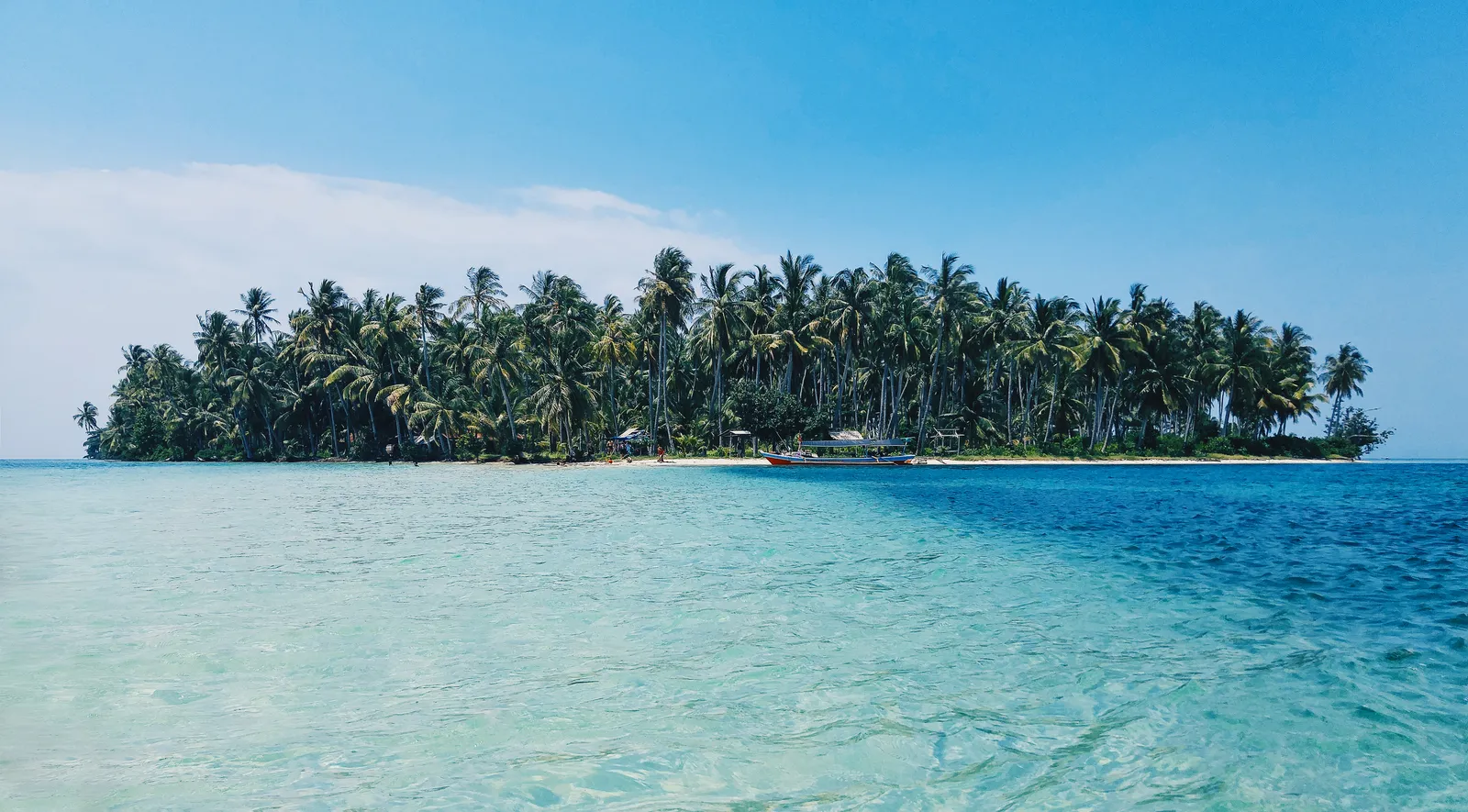
For Raja Ampat liveaboard vs resort diving, the honest answer is that both deliver world-class reefs, but they solve different problems. A liveaboard carries you to the dive sites, unlocking remote areas like Misool and the outer Dampier Strait that day boats cannot reach on a single tank of fuel. A land-based resort trades that range for solid ground, a lower nightly entry point, and the freedom to skip a dive when you want to. For divers chasing maximum bottom time on the archipelago’s best walls and manta stations, the liveaboard is usually the stronger choice.
What is the real difference between Raja Ampat liveaboard vs resort diving?
The core difference is mobility. On a Raja Ampat liveaboard, your hotel moves with you overnight, so you wake up already anchored above the next reef. A resort keeps you in one bay, and every dive begins with a boat ride out and a boat ride back. In a region this spread out, that distinction shapes everything else: which sites you can dive, how many dives you fit into a day, and how much of your holiday you spend in transit rather than underwater.
Raja Ampat covers roughly 40,000 square kilometres of islands, channels, and open water. The signature sites sit far apart. Cape Kri and Blue Magic cluster in the Dampier Strait in the north, while the soft-coral gardens of Misool lie well to the south. No single resort sits within easy day-boat range of all of them, which is why serious divers keep circling back to the liveaboard model.
Which option gives you better dive site access?
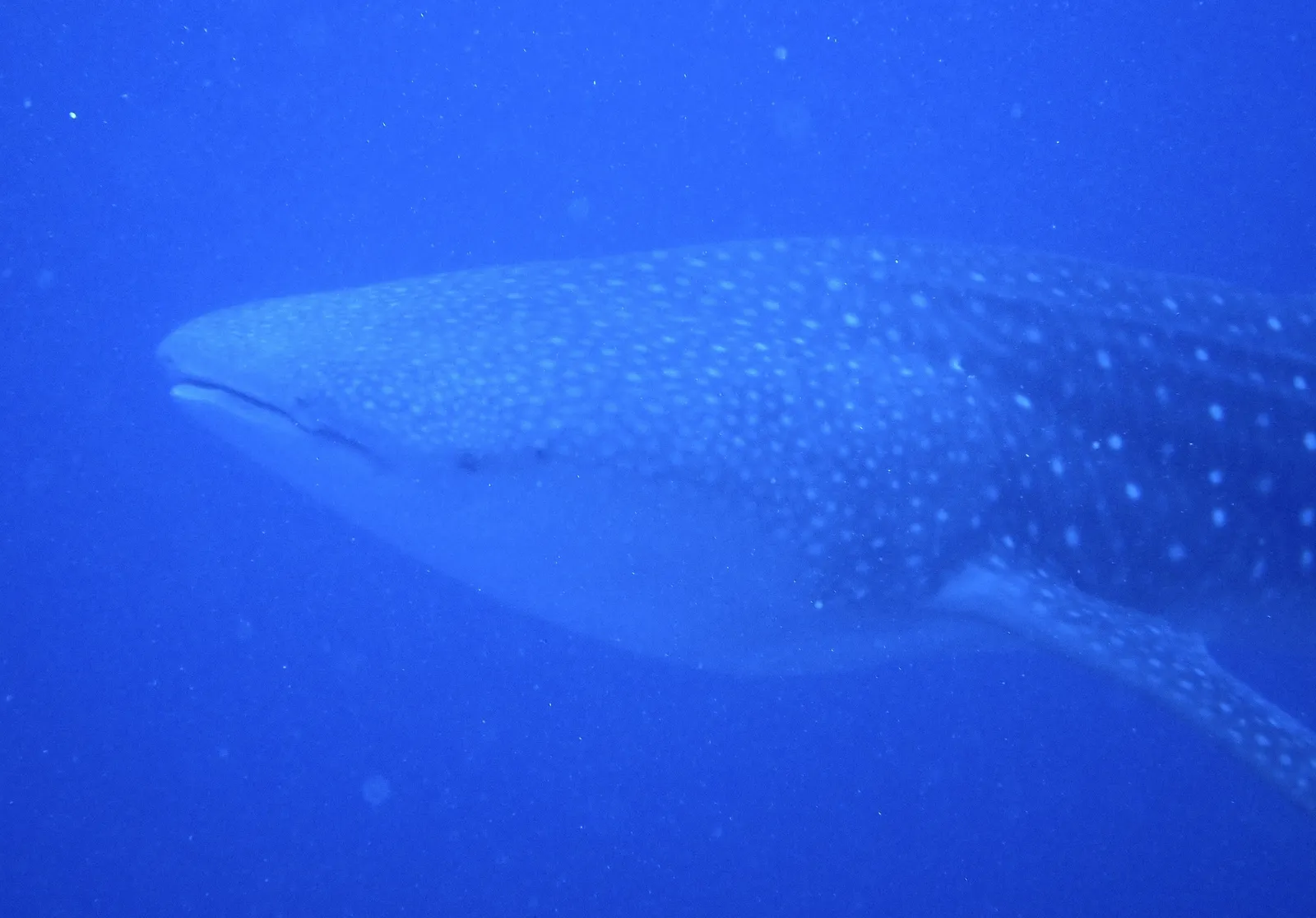
This is where the liveaboard pulls clearly ahead. A typical Raja Ampat liveaboard runs 6 to 11 nights from Sorong and threads together the north and south in one itinerary. You dive Cape Kri, which holds a documented record for the most fish species counted on a single dive, then Blue Magic for oceanic manta rays, then push south to Misool for reefs that some divers rate as the most colourful on the planet. Raja Ampat as a whole supports more than 1,500 species of reef fish, and a well-planned liveaboard route samples that diversity in a way a fixed base cannot.
A resort still puts you on excellent diving. If your base sits in the Dampier Strait, sites like Cape Kri, Sardine Reef, and Blue Magic are within reach, and you can dive them repeatedly across a week. What a resort cannot do is deliver Misool and the northern channels in the same trip. Reaching the far south from a northern resort means a long crossing, extra fuel charges, and usually an overnight stay somewhere else. Range, not reef quality, is the ceiling on land-based diving here.
What about currents and dive difficulty?
Raja Ampat runs moderate to strong currents at many of its best sites, and those currents are exactly what pull in the schooling fish and the mantas. From a liveaboard, guides read the tides across the whole region and time each dive for the right window, then reposition the boat if conditions shift. From a resort, you are tied to whatever the tide is doing near your base on that day. Neither is unsafe with a good operator, but the liveaboard gives you more chances to hit slack water and drift-dive at peak action.
How does cost per dive day compare for Raja Ampat liveaboard vs resort diving?
Headline prices mislead people here, so compare on a cost-per-dive-day basis instead of nightly rate. A liveaboard berth looks expensive at first glance, but the fare bundles almost everything: cabin, all meals, up to four dives a day, tanks, weights, guides, and transfers from Sorong. A resort quotes a lower room rate, then adds dive packages, boat fees, park fees, and often a fuel surcharge for the longer runs.
| Factor | Liveaboard | Land-based resort |
|---|---|---|
| What the price usually includes | Cabin, all meals, 3-4 dives/day, tanks, guides, transfers | Room and meals; diving and boat fees often separate |
| Dives per day | Typically 3-4, including night dives at anchor | Typically 2-3, limited by boat schedule |
| Site range | North and south in one trip | Sites near one base only |
| Extra costs to expect | Park permit, nitrox, crew tips | Park permit, boat fuel surcharges, dive packages, tips |
| Best for | Divers who want maximum, varied diving | Non-divers in the group, flexible pace, tighter budget entry |
All figures above are structural, not price quotes. As a rough guide as of 2026, quality liveaboards and premium resorts land in a broadly similar range once you count every dive and every transfer, and the liveaboard often works out cheaper per dive because you dive more each day. Prices are indicative and move with season, boat, and cabin class, so confirm current rates before you commit. Note too that everyone diving Raja Ampat pays the marine park entry permit (PIN), which funds conservation and local communities and is separate from your trip cost on both options.
What are the comfort and lifestyle trade-offs?
A resort wins on the things that have nothing to do with diving. You sleep in a room that never moves, walk to a beach between dives, and step out of a bad-weather day without going anywhere. Non-divers in your group get a proper holiday: spa time, snorkelling off the jetty, a village walk. If seasickness worries you, or half your party does not dive, a resort removes a lot of friction.
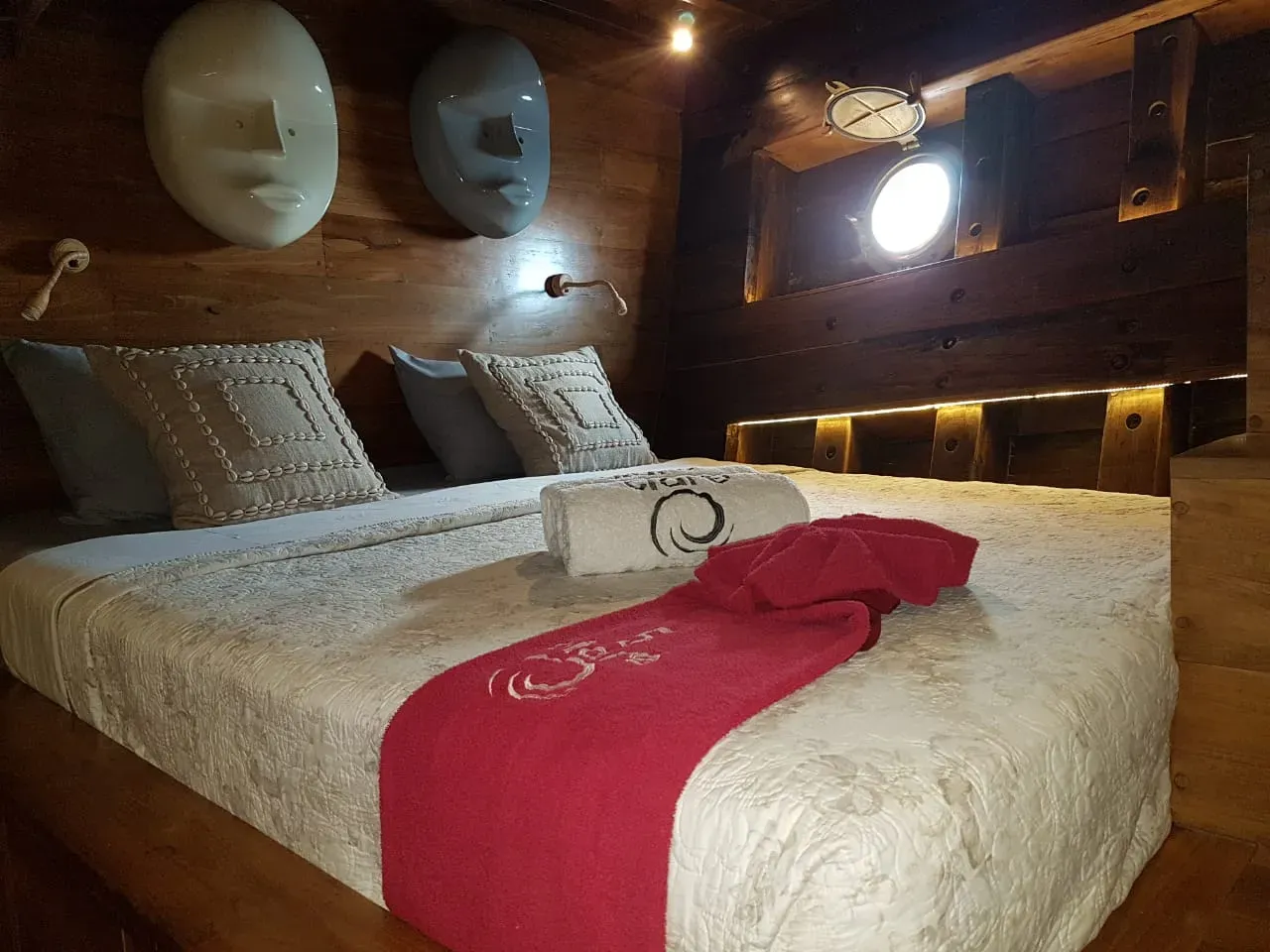
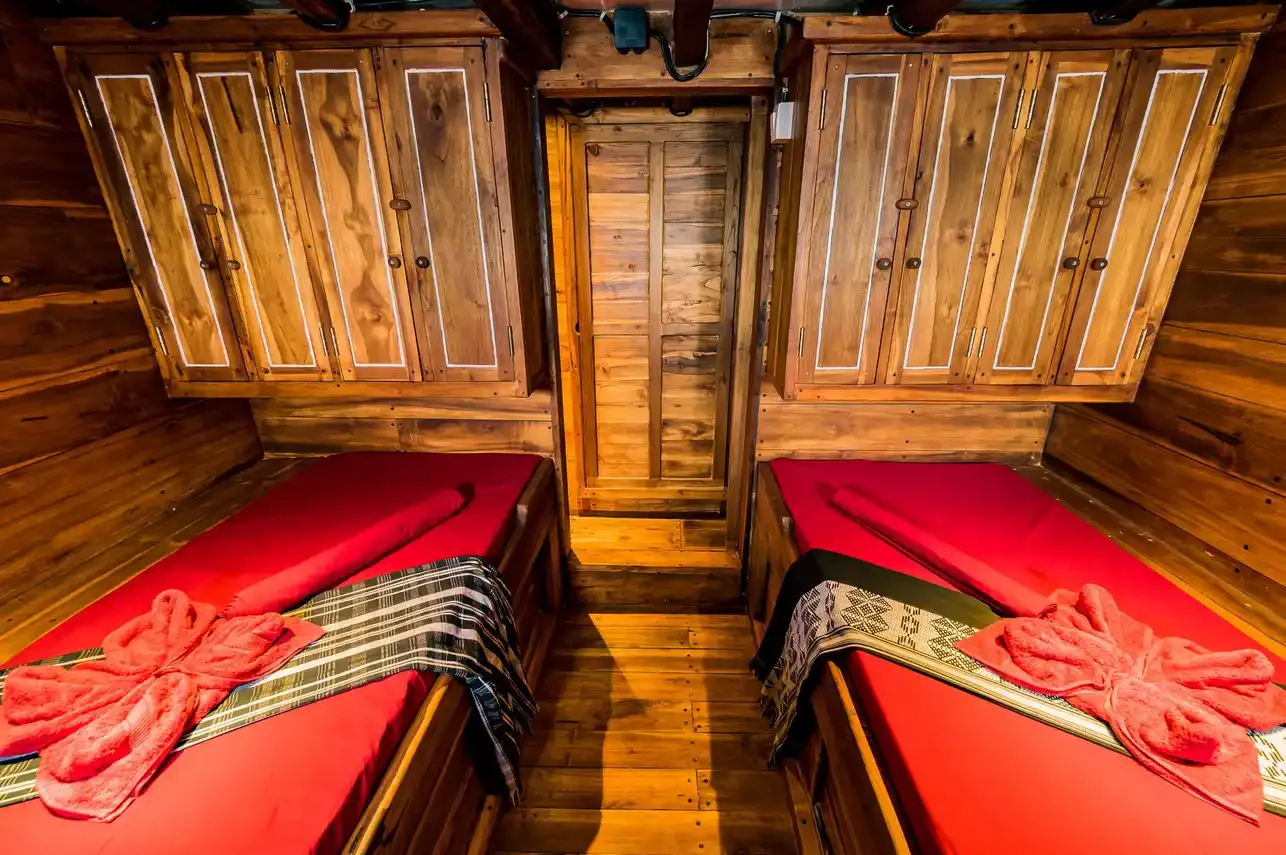
A liveaboard asks for a few compromises in return for the access. Cabins are compact, the boat moves at night, and you share the vessel with a fixed group for the whole trip. What you get back is time. No daily commute to the reef, four dives most days, night dives straight off the back of the boat, and sunset over a different island every evening. For divers who came to dive and little else, that trade is easy to make.
When is the best time to go, and does it change your choice?
The main Raja Ampat season runs October to April, when seas are calmest and visibility is at its best. Manta activity peaks within that window, and most liveaboards concentrate their schedules across those months. Resorts stay open across a longer stretch of the year, which gives them an edge in the shoulder season when fewer boats operate. If your dates fall in the quieter months, a resort may simply be the more available option.
So which should serious divers choose?
If your priority is diving the full sweep of Raja Ampat in one trip, the liveaboard is the superior choice, and it is the format we build our liveaboard packages around. It reaches Misool and the northern channels that resorts cannot, fits more dives into each day, and drops you at the right site at the right tide. Choose a resort when your group mixes divers and non-divers, when you want a flexible, unhurried pace, or when you are travelling outside the peak boat season and value a fixed base over range.
Many experienced divers do both across separate trips, or combine a few nights on land with a longer stretch aboard. There is no single right answer, only the right fit for who is travelling and what you want to see underwater.
Plan your Raja Ampat trip with us
We arrange Raja Ampat liveaboard trips end to end, from Sorong transfers and marine park permits to cabin selection and itinerary planning across the Dampier Strait and Misool. As part of Juara Holding Group, operating from Bali across Indonesia since 2015, we match you to the boat and route that suit your experience, budget, and dates rather than selling a one-size trip.
Tell us your travel window and diving goals and we will put together the options. Message our team on WhatsApp at +62 811-3823-875 or email [email protected], or book now to lock in your preferred departure. We will help you compare Raja Ampat liveaboard vs resort diving honestly, then handle the details once you decide.