In this article
- How Do You Get to Sorong and Waisai for a Raja Ampat Liveaboard?
- Jakarta to Sorong: Making the Domestic Connection Work
- What Happens When You Land at Sorong (DEO) Airport?
- Sorong Harbor or Waisai? Understanding Direct Embarkation vs the Ferry Crossing
- The Sorong-Waisai Ferry: Schedule, Tickets, and What to Expect
- How Much Buffer Time Should You Build Into Your Schedule?
- The PIN Permit and Other Port-Side Formalities
- Why the Ground Logistics Matter as Much as the Dive Sites
- Planning Your Sorong Arrival with Our Team

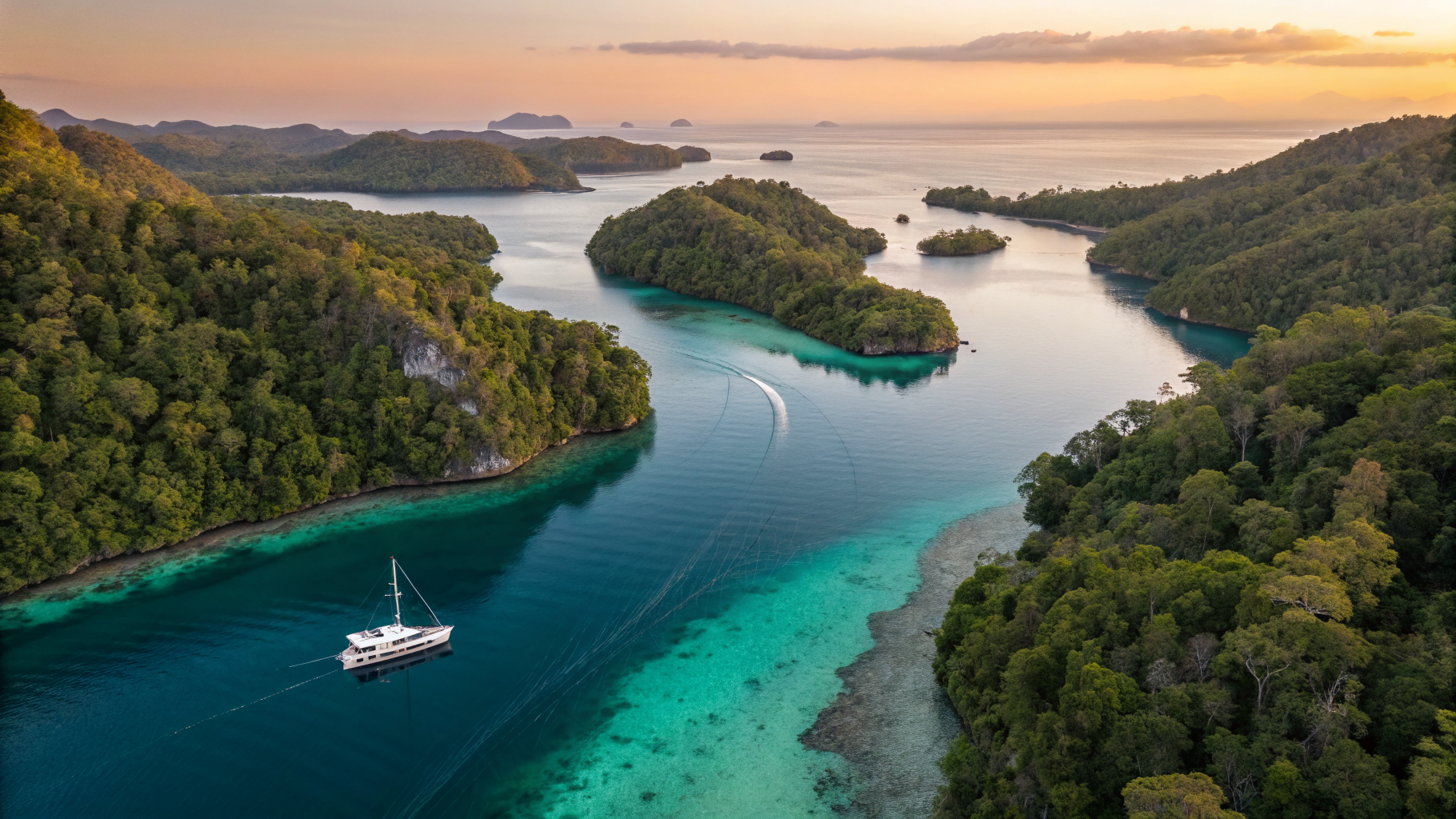
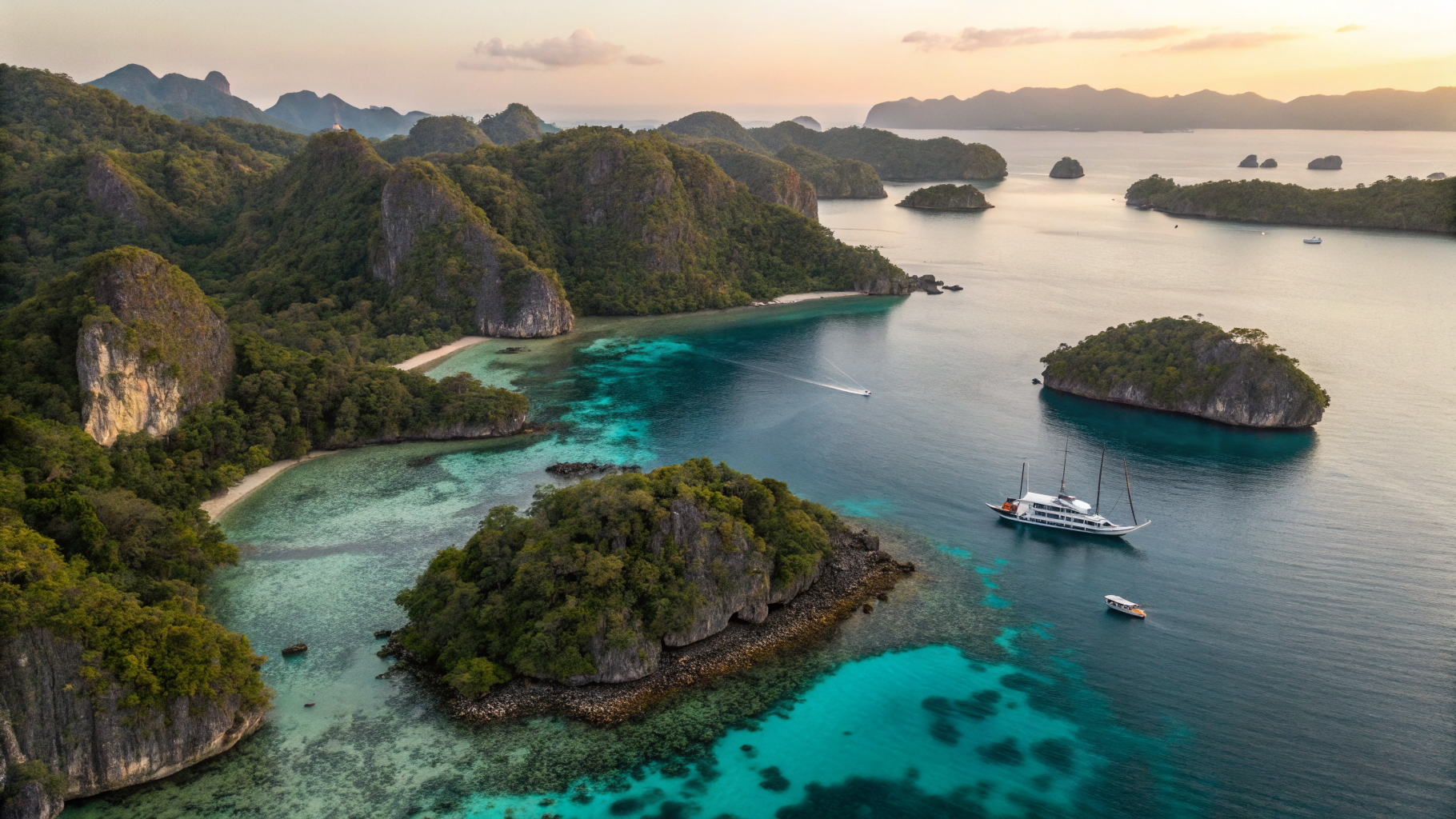
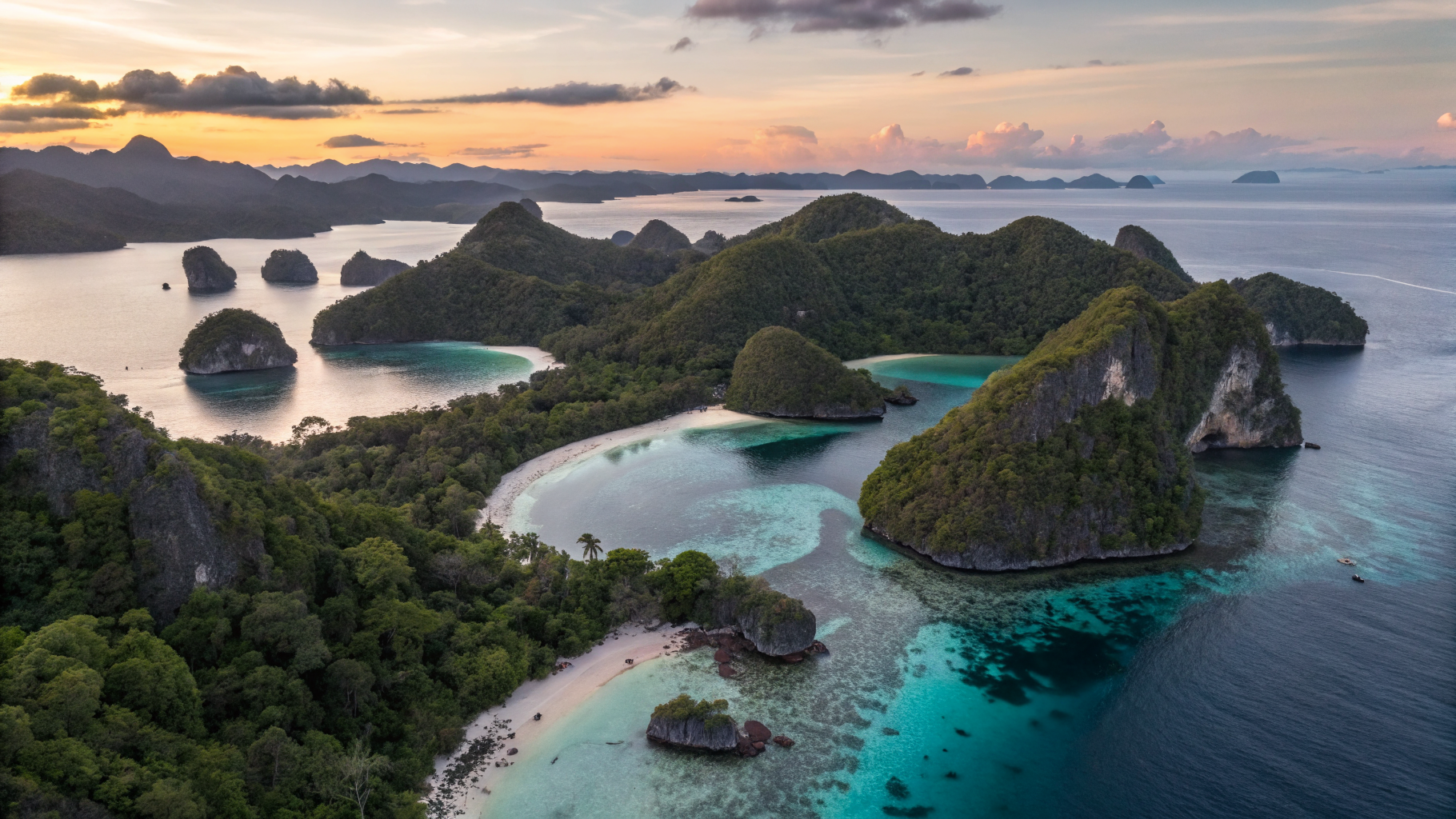

Getting to Sorong and Waisai for a Raja Ampat liveaboard comes down to three moving parts: a domestic flight into Sorong, a short window on the ground, and then either boarding your boat directly at Sorong harbor or crossing to Waisai by public ferry. Most liveaboards embark and disembark straight from Sorong, which means the ferry to Waisai is only relevant for a smaller set of itineraries. As of 2026, the single biggest cause of missed departures is cutting the Jakarta-to-Sorong connection too close to boarding day, not the boat schedule itself.
This guide is deliberately narrow. It does not cover flight booking strategy or visa requirements in depth — for that, our complete guide on how to get there walks through the full journey from your home country. What follows is the ground logistics only: what happens after you land in Sorong, how the Sorong-Waisai leg works, and how much buffer to build in so a delayed flight never turns into a missed liveaboard.
How Do You Get to Sorong and Waisai for a Raja Ampat Liveaboard?
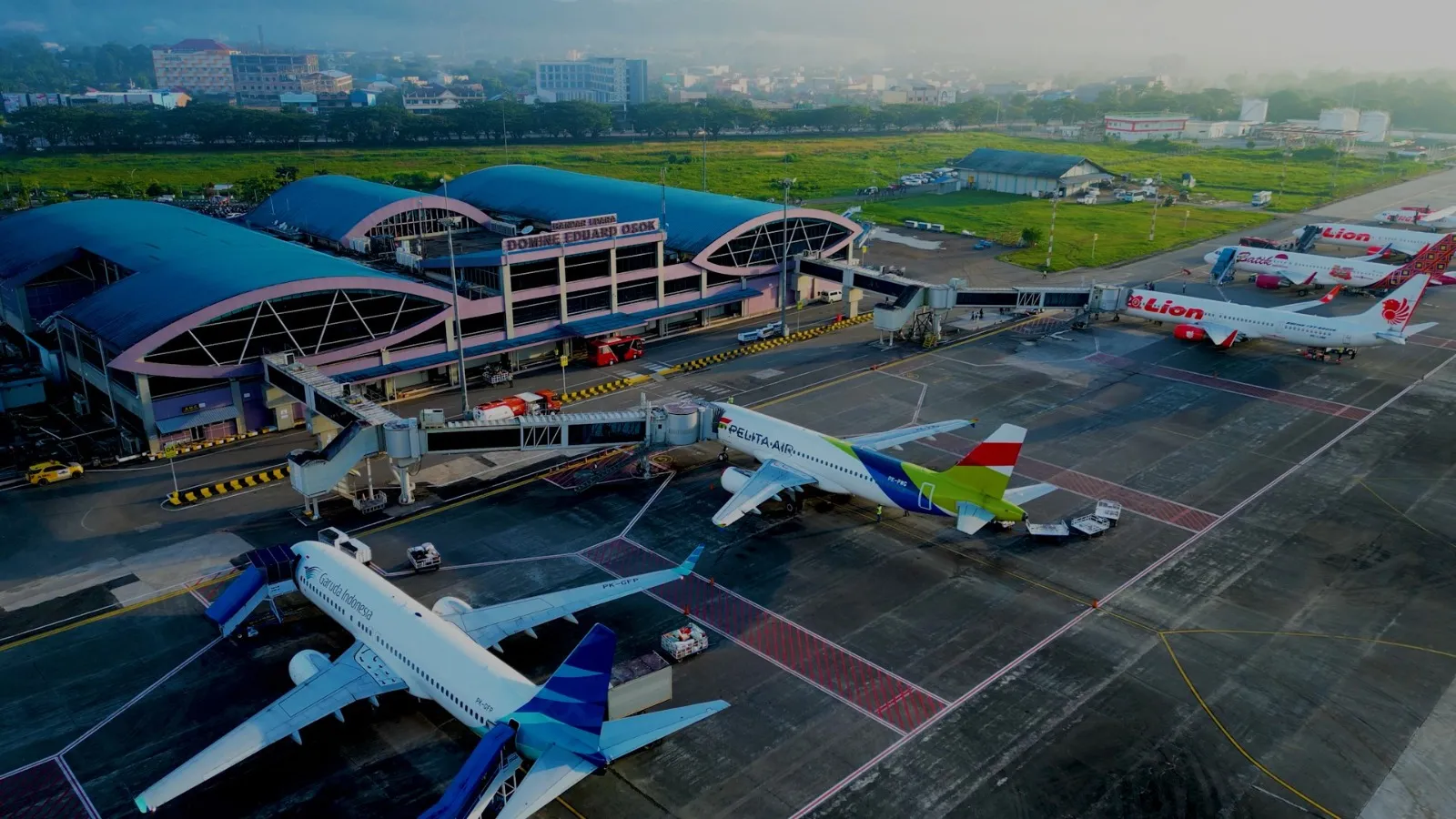
You fly into Sorong’s Domine Eduard Osok (DEO) airport, on the Bird’s Head Peninsula of West Papua, since there is no commercial airport on Raja Ampat’s main islands themselves. From DEO, guests either transfer directly to a waiting liveaboard at Sorong’s harbor — the arrangement for the majority of multi-day dive cruises — or continue by public ferry to Waisai, the small regency capital on Waigeo island, roughly two to two and a half hours away by sea. Which path applies to you depends entirely on where your specific operator embarks guests, so confirm this detail with your booking rather than assuming.
Jakarta to Sorong: Making the Domestic Connection Work
There is no direct international flight into Sorong, so every overseas guest lands first in Jakarta (or occasionally another gateway such as Bali or Makassar) and then takes a domestic flight onward. Domestic carriers on the Jakarta-Sorong route typically fly either direct or with a single stop, and total travel time from Jakarta runs roughly four to six hours depending on the routing. Schedules change with the seasons and airline capacity, so verify current flight options directly with the airline closer to your departure date rather than relying on older schedules.
The practical rule that matters more than any specific flight number: never schedule your Jakarta-Sorong flight for the same calendar day your liveaboard departs. Domestic delays in eastern Indonesia are common enough that a same-day connection is a real risk, and a liveaboard cannot hold anchor for one late passenger.
What Happens When You Land at Sorong (DEO) Airport?
DEO is a modest regional airport, and arrival on a domestic flight is generally quick — baggage claim and exit typically take well under an hour outside of peak periods. Most liveaboard operators either send a driver to meet guests at arrivals or provide clear instructions for a short transfer into Sorong city or straight to the harbor, usually well under 30 minutes in normal traffic.
A few practical notes for this stage: dive gear and camera equipment often push checked baggage close to domestic weight limits, so check your airline’s allowance before flying. ATMs and money changers are available in Sorong city but are less reliable once you are on the water, so withdraw or exchange what you need before boarding. Mobile signal is generally solid in Sorong itself but becomes patchy to nonexistent once a liveaboard is underway in the outer islands.
Sorong Harbor or Waisai? Understanding Direct Embarkation vs the Ferry Crossing
This is the distinction that trips up first-time guests, and it’s the crux of how to get to Sorong and Waisai for a Raja Ampat liveaboard correctly. Two different “ports” serve the region, and they are not interchangeable:
- Direct embarkation at Sorong harbor — the arrangement for most liveaboards. You fly into DEO, transfer straight to the harbor, and board your boat the same day. No ferry is involved at all.
- Onward travel to Waisai via the public ferry — relevant if your boat specifically embarks from Waisai, if you are adding a land-based homestay stay in Raja Ampat before or after your cruise, or if you are combining the liveaboard with an independent day-trip extension based out of Waisai.
Neither option is “better” — it depends on how your itinerary is structured. If you are unsure which applies, confirm it before you fly, since arriving at the wrong port with no ferry booked can turn into a costly last-minute scramble.
The Sorong-Waisai Ferry: Schedule, Tickets, and What to Expect
When the ferry crossing is part of your journey, the route runs between Sorong’s ferry harbor (separate from DEO airport) and Waisai on Waigeo island. Public ferries operate multiple times daily, with the fastest boats crossing in roughly two to two and a half hours over generally sheltered water, though sea conditions can occasionally extend that.
| Item | Typical Detail |
|---|---|
| Journey time | Approximately 2–2.5 hours by fast ferry |
| Frequency | Multiple daily departures, generally concentrated in the morning |
| Departure point | Sorong ferry harbor (separate from DEO airport — allow transfer time) |
| Arrival point | Waisai harbor, Waigeo island |
| Ticket purchase | At harbor counters on the day, or pre-arranged by your operator |
| Indicative fare | A modest per-person fare, typically well under USD 20 as of 2026 — confirm current pricing locally, as fares and schedules do change |
Because the ferry harbor and DEO airport are separate locations in Sorong city, build in transfer time between your flight landing and your ferry departure — an hour is usually too tight once you account for baggage claim and the drive across town.
How Much Buffer Time Should You Build Into Your Schedule?
The most common regret we hear from guests who had a stressful start to their trip is not the diving — it is the schedule. A simple buffer framework:
- Before boarding: arrive in Sorong at least one full day ahead of your liveaboard’s departure. This absorbs a delayed or rescheduled domestic flight without threatening your embarkation.
- After disembarking: keep at least one buffer day in Sorong (or Jakarta) before any international connecting flight home. Liveaboards occasionally return to port later than planned due to weather or sea conditions, and a same-day international connection leaves no margin.
- Around the ferry crossing: if your itinerary includes the Sorong-Waisai ferry, treat it as its own leg with its own buffer — do not stack it directly against a tight flight connection on either end.
Reaching a Raja Ampat liveaboard in Sorong and Waisai is genuinely straightforward once you plan around these buffers rather than the fastest theoretical connection. Airlines and ferry operators publish schedules, but neither controls the weather, so the buffer is what actually protects your trip.
The PIN Permit and Other Port-Side Formalities
Every visitor diving or sailing within the Raja Ampat Marine Park needs a PIN (Marine Park Entry Permit), a physical card checked at various points during the trip. Most operators arrange this on guests’ behalf, either in Sorong before departure or in Waisai, with the cost typically built into or added on top of the liveaboard package price — confirm exactly how your operator handles it when you book. Keep the card accessible during your cruise rather than packed away, since it may be checked more than once.
Why the Ground Logistics Matter as Much as the Dive Sites
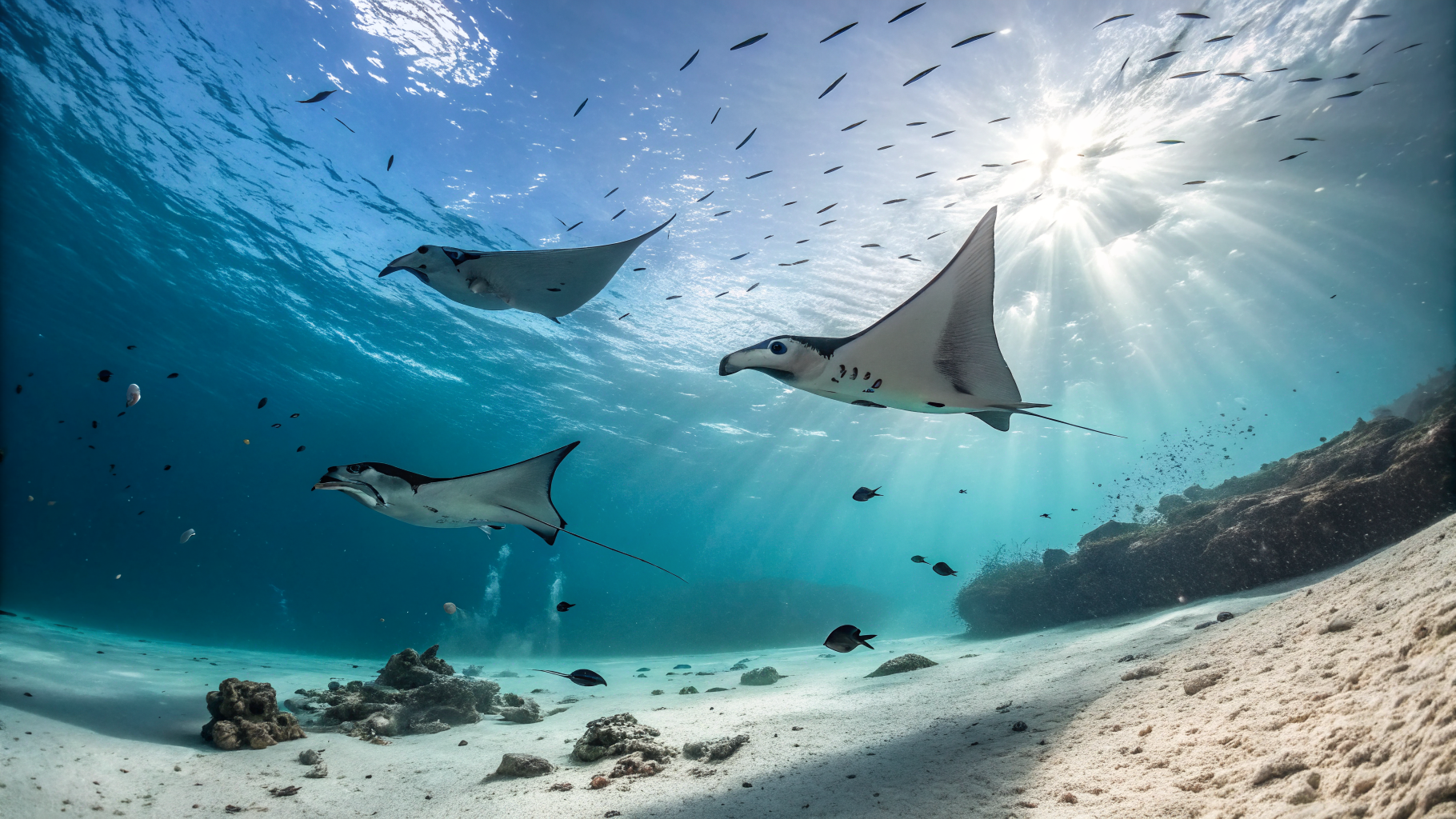
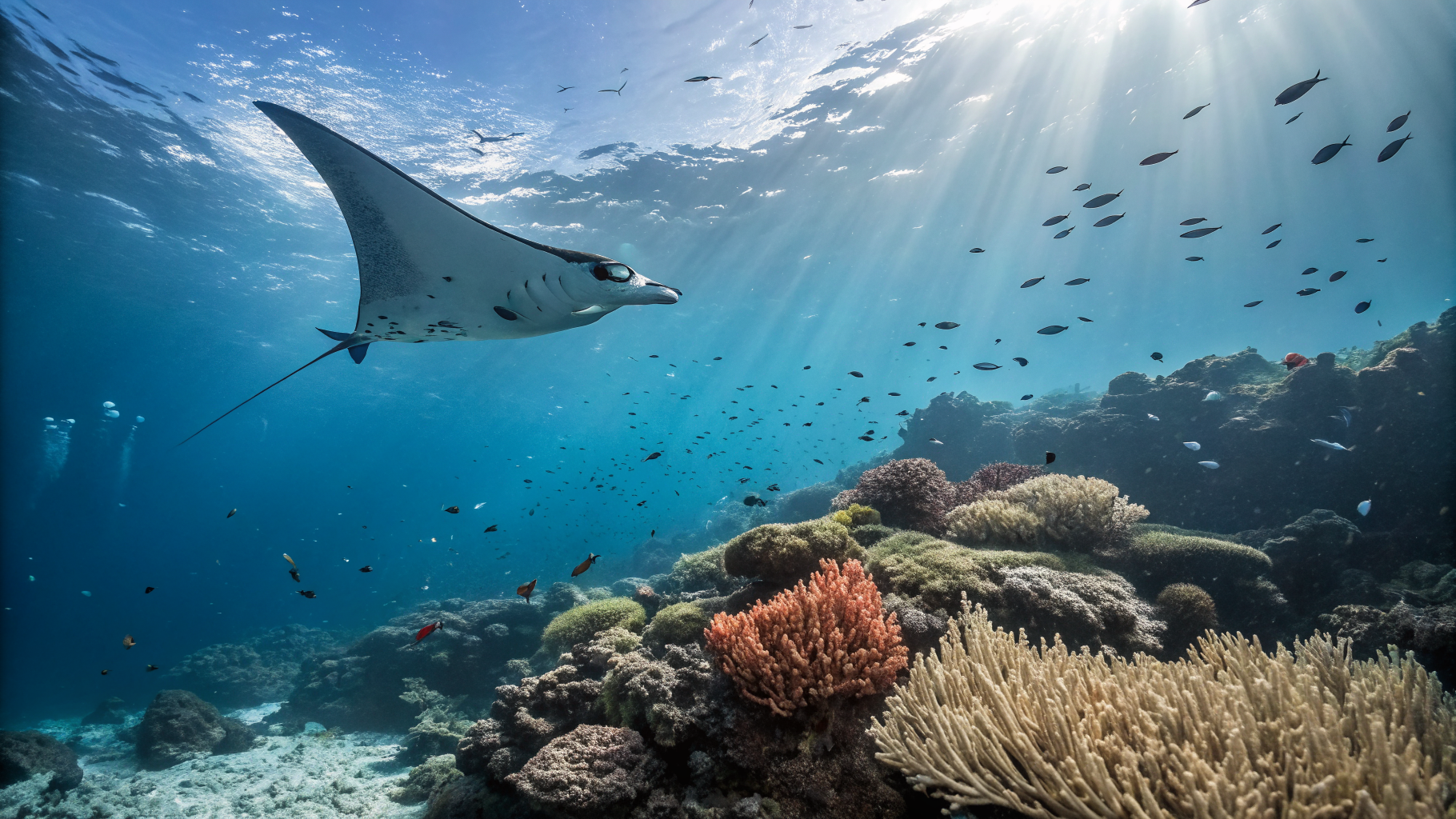
None of this planning is separate from the diving itself — it is what gets you to it reliably. Raja Ampat’s reputation rests on exceptional reef life: over 1,500 recorded fish species region-wide, the Dampier Strait’s Cape Kri (long associated with some of the highest single-dive species counts ever recorded) and Blue Magic’s oceanic manta cleaning station, plus the softer, current-swept walls of southern Misool. The main diving season runs roughly October through April, with moderate to strong currents a normal feature of sites like Cape Kri and Blue Magic. Liveaboard itineraries out of Sorong commonly run six to eleven nights, enough to cover both the northern and southern circuits, or to focus deeply on one. None of that matters if you miss the boat, which is why the Sorong-Waisai leg deserves its own attention.
If you are still comparing trip lengths and routes, our liveaboard packages page lays out the northern and southern itinerary options in more detail, including typical night counts and site coverage.
Planning Your Sorong Arrival with Our Team
As part of Juara Holding Group — operating from Bali across Indonesia since 2015 — our team coordinates the ground logistics side of a Raja Ampat liveaboard trip alongside the boat booking itself, including flight-timing advice, airport-to-harbor transfers, and the Sorong-Waisai ferry when needed. Rather than piecing together flight schedules, ferry times, and buffer days on your own, hand us your travel dates and let us confirm the sequence works before you commit to flights.
Ready to lock in your dates? Visit our booking page to check availability, or message our team on WhatsApp at +62 811-3823-875 or by email at [email protected]. We’ll help you sequence the Jakarta-Sorong flight, the Sorong-Waisai leg, and your departure into one workable itinerary.